✓ Local honey contains pollen from local plants, which may help with seasonal allergies.
✓ Buying local supports small businesses and sustainable beekeeping practices.
✓ Raw, unfiltered local honey retains more beneficial enzymes and antioxidants.
✓ Availability of local honey varies by season and region.
How It Works
1
Identify Your Needs
Determine if you're seeking raw, unfiltered honey, a specific floral source, or just general local support. This helps narrow down your search criteria and preferences.
2
Explore Local Sources
Utilize online directories, farmers market listings, and local business search engines. These tools are invaluable for pinpointing nearby beekeepers and retailers.
3
Verify Authenticity
Look for clear labeling indicating 'local' and 'raw' or 'unfiltered.' Don't hesitate to ask sellers about their beekeeping practices and honey origins.
4
Make Your Purchase
Support your chosen local producer or retailer. Enjoy the unique flavor and potential health benefits of genuinely local honey.
The Golden Nectar: Why Choose Local Honey?
Photo: Victoria / Pexels
In an age where global supply chains dominate, the simple act of choosing local honey is a powerful statement. It's not just about supporting a small business; it's about embracing a product deeply connected to your immediate environment. Local honey, by its very definition, is produced by bees foraging on the flora within a few miles of its origin. This geographical specificity is what imbues it with its unique characteristics and potential benefits, setting it apart from commercially processed, blended honeys found on most supermarket shelves. The primary allure for many consumers is the belief that local honey can help mitigate seasonal allergies. The theory posits that by consuming small amounts of local pollen, which is present in raw, unfiltered local honey, your body may gradually build up a tolerance to these allergens. While scientific evidence on this particular benefit is mixed and ongoing, anecdotal reports from countless individuals suggest a positive correlation. Beyond allergies, local honey is a powerhouse of natural goodness. It often comes in its raw and unfiltered state, meaning it hasn't been heated to high temperatures or put through fine filters that strip away beneficial components like pollen, propolis, and royal jelly. These elements contribute to honey's reputation as a natural antibiotic, anti-inflammatory, and antioxidant-rich superfood. Raw honey contains enzymes that aid digestion and a range of vitamins and minerals, albeit in small quantities, that are often destroyed in pasteurized varieties. The flavor profile of local honey is another compelling reason to seek it out. Unlike generic blends that aim for a consistent, often bland taste, local honey is a true reflection of its terroir. A jar of honey from a beekeeper whose bees primarily forage on clover will taste distinctly different from one whose bees visit wildflowers or orange blossoms. This diversity offers a culinary adventure, allowing you to explore a spectrum of flavors, from light and floral to rich and robust, depending on the season and geographical location. Furthermore, purchasing local honey is an act of environmental stewardship. It supports local beekeepers who are often crucial to the pollination of local crops and wild plants, playing a vital role in maintaining ecological balance. These beekeepers often employ sustainable practices, contributing to the health of bee populations, which are under threat globally. By choosing local, you're investing in the health of your local ecosystem and the broader agricultural community. It's a simple choice with far-reaching positive impacts, transforming a routine grocery purchase into a meaningful contribution. For more insights into sustainable food choices, explore our guide on sustainable farming practices. The journey to find where to buy local honey near me is not just a search for a product; it's a discovery of community, health, and environmental responsibility.
Navigating the Search: Finding Local Honey Sources
Photo: Surya Travel / Pexels
The quest for where to buy local honey near me can begin in several promising directions, each offering unique advantages. Your first port of call should almost always be local farmers' markets. These vibrant community hubs are a direct link to local producers, including beekeepers. A quick online search for "farmers markets near [your city/zip code]" will likely yield a list of options, often including their operating hours and a directory of vendors. At a farmers' market, you have the invaluable opportunity to speak directly with the beekeeper. This allows you to ask about their specific practices, the types of flowers their bees forage on, and whether their honey is raw and unfiltered. This direct interaction not only assures you of the honey's authenticity but also builds a relationship with the person behind the product. Many beekeepers are passionate about their craft and are eager to share their knowledge, providing a richer buying experience than simply grabbing a jar off a supermarket shelf. Beyond farmers' markets, specialized health food stores and co-ops are excellent resources. These establishments prioritize locally sourced and natural products, often carrying honey from regional beekeepers that might not be available elsewhere. The staff at these stores are typically knowledgeable and can guide you toward local options, sometimes even offering tasting samples. While the price might be slightly higher than at a farmers' market due to overheads, the convenience and curated selection can be a significant draw. Another increasingly popular avenue is direct from the beekeeper. Many small-scale beekeepers operate out of their homes or small farms, selling directly to consumers. A quick search on platforms like Google Maps for "beekeepers near me" or "local honey [your city]" can reveal these hidden gems. Websites like LocalHarvest.org or Honey Locator are also invaluable resources, providing searchable databases of local farms, farmers' markets, and beekeepers across the US. These platforms often include contact information, product descriptions, and even customer reviews, helping you make an informed choice. Don't overlook community-supported agriculture (CSA) programs. While primarily focused on produce, some CSAs include honey as part of their seasonal offerings or as an add-on. Joining a CSA not only provides you with fresh, local produce but can also connect you to a wider network of local food producers, including beekeepers. Finally, word-of-mouth remains a powerful tool. Ask friends, neighbors, or local community groups for recommendations. Local cafes, bakeries, or specialty food shops might also use and sell local honey, so keep an eye out for signs or ask the proprietors. The journey to find where to buy local honey near me is often a delightful exploration of your local food landscape, uncovering hidden treasures and supporting the passionate individuals who bring this natural wonder to your table.
Ensuring Authenticity: What to Look for in Local Honey
Photo: Nhà Mật / Pexels
When you're on the hunt for where to buy local honey near me, ensuring its authenticity is paramount. The market can be saturated with products labeled 'pure' or 'natural' that may still be blended with corn syrup or sourced from distant, unknown locations. To truly reap the benefits of local honey, you need to know what to look for and what questions to ask. First and foremost, always seek out honey that is explicitly labeled 'local,' 'raw,' and 'unfiltered.' The term 'local' should ideally refer to honey produced within a reasonable radius of your location – typically within 50-100 miles, but this can vary depending on population density and agricultural patterns. 'Raw' means the honey has not been heated above the temperature of the hive (around 95-100°F), preserving its beneficial enzymes, vitamins, and antioxidants. 'Unfiltered' indicates that the pollen, propolis, and beeswax particles, which contribute to its unique flavor and potential health benefits, have not been removed. These elements are often visible as small specks or cloudiness in the honey. A truly raw and unfiltered honey will often crystallize over time, a natural process that indicates its purity and hasn't been overheated. Don't be deterred by crystallization; it's a sign of quality, not spoilage. Gently warming the jar in a bowl of warm water (not hot) will return it to a liquid state without compromising its properties. When purchasing from a beekeeper or at a farmers' market, engage in conversation. Ask specific questions: "Where are your hives located?" "What do your bees forage on?" "Is your honey raw and unfiltered?" A reputable beekeeper will be transparent and proud to share details about their operation. They might even offer different varietals based on the season, like clover, wildflower, or buckwheat honey, each with its distinct flavor profile and color. Be wary of honey that is unusually cheap, especially if it claims to be local. The labor and care involved in sustainable beekeeping often warrant a higher price point. If the price seems too good to be true, it might be. Also, be cautious of generic 'pure honey' labels in large chain supermarkets, unless they specifically state a local beekeeper or farm name. These are often mass-produced and blended. Look for specific farm names, contact information, and sometimes even a beekeeper's personal story on the label. This transparency is a strong indicator of genuine local sourcing. Finally, trust your senses. Local, raw honey often has a more complex, nuanced flavor profile than commercial honey. It might have floral notes, earthy undertones, or a slightly spicy finish, depending on the nectar sources. Its texture can also be thicker and more viscous. By being an informed consumer and knowing what to look for, you can confidently find authentic, high-quality local honey that enriches your health and supports your community. For more information on identifying quality products, consider checking out resources on identifying organic produce.
Tips for Your Local Honey Journey & Common Pitfalls to Avoid
Photo: Efrem Efre / Pexels
Embarking on the journey to find where to buy local honey near me is rewarding, but a few tips can enhance your experience and help you steer clear of common pitfalls. First, **start local and seasonal**. Honey, like produce, has seasons. Different floral sources bloom at various times of the year, influencing the honey's flavor and availability. Early summer might bring lighter, floral honeys, while late summer and fall could yield darker, more robust varieties. Inquire about seasonal availability from your beekeeper. This not only guarantees the freshest product but also allows you to experience the diverse range of flavors your local ecosystem offers. **Don't be afraid to taste before you buy**, if offered. Many farmers' market vendors are happy to provide samples, allowing you to discover your preferred flavor profile. This is especially useful if you're looking for honey for a specific culinary purpose, like baking or pairing with cheese. **Join local food groups or online forums**. These community platforms are excellent for recommendations and discovering small, independent beekeepers who might not have a strong online presence. Members often share insights on where to find the best local products and can alert you to pop-up sales or special events. **Consider subscribing to a local honey share**. Similar to a CSA, some beekeepers offer subscription services where you receive a regular supply of their honey throughout the year. This ensures a consistent supply and often provides a discount. Now, let's address some common pitfalls. **Mistaking 'local' for 'organic'**: While local honey often comes from sustainable practices, it's not always certified organic. Organic certification for honey is complex and requires bees to forage exclusively on organic land, which is difficult to guarantee. Don't assume your local honey is organic unless explicitly stated and certified. **Overheating crystallized honey**: As mentioned, crystallization is natural. However, heating honey too quickly or at too high a temperature (above 105°F or 40°C) can destroy its beneficial enzymes and delicate flavors. Always use a gentle warm water bath. **Falling for marketing jargon**: Terms like 'pure' or 'natural' on store-bought honey can be misleading. Always look for specific sourcing information and be wary of products that lack transparency about their origin. **Expecting identical taste**: Local honey, especially raw and unfiltered, will vary in taste, color, and consistency from batch to batch, and from beekeeper to beekeeper. Embrace this variability as a sign of its natural origin, rather than expecting a uniform product. By keeping these tips in mind and avoiding these common mistakes, your search for where to buy local honey near me will be a more informed, enjoyable, and ultimately more rewarding experience, connecting you with the true essence of this incredible natural sweetener.
Comparison
Feature
Local Raw Honey
Commercial Pasteurized Honey
Imported Honey
Source Transparency
Excellent (often direct from beekeeper)
Limited (blended from various sources)
Very Limited (country of origin only)
Enzymes & Pollen
High (retained due to minimal processing)
Low (destroyed by pasteurization/filtering)
Low (destroyed by processing)
Potential Allergy Benefits
✓ (contains local pollen)
✗ (pollen often removed)
✗ (pollen not local)
Flavor Profile
Varied, complex, unique to region
Consistent, often bland
Variable, but often generic
Support Local Economy
✓ (directly supports local beekeepers)
✗ (supports large corporations)
✗ (supports foreign industries)
What Readers Say
★★★★★
"I used to suffer terribly from seasonal allergies, but ever since I started getting my honey from a local beekeeper I found through a farmers market, I've noticed a significant improvement. It's a game-changer for where to buy local honey near me!"
Sarah J. · Austin, TX
★★★★★
"Finding truly raw, unfiltered honey has been a quest, but LocalHarvest.org pointed me to a fantastic small farm. The taste is incredibly rich and complex, unlike anything I've bought in a regular store."
Mark D. · Portland, OR
★★★★★
"My family loves the different varieties of honey we get from our local CSA. This year's wildflower honey was absolutely divine in our tea and on toast. It's so easy to find where to buy local honey near me through them."
Emily R. · Boston, MA
★★★★★
"I appreciate the transparency of buying directly from the beekeeper at the market. While a bit pricier than supermarket brands, the quality and the peace of mind knowing its origin are well worth the investment."
David L. · Denver, CO
★★★★★
"I use local honey in my homemade skincare products, and the difference is noticeable. The natural enzymes and antioxidants make a real impact. I always look for where to buy local honey near me that is raw and unfiltered."
Jessica M. · San Francisco, CA
Frequently Asked Questions
What are the primary benefits of buying local honey?
The primary benefits include potential relief from seasonal allergies due to local pollen content, retention of beneficial enzymes and antioxidants in raw honey, unique and diverse flavor profiles reflecting local flora, and direct support for local beekeepers and sustainable agricultural practices within your community.
Is local honey truly better for allergies than regular honey?
Many proponents believe local honey can help with seasonal allergies because it contains trace amounts of local pollen, potentially building immunity. While scientific studies are mixed, many individuals report positive results. The key is to ensure the honey is raw and unfiltered to retain pollen.
How can I tell if honey is genuinely local and raw?
Look for labels explicitly stating 'local,' 'raw,' and 'unfiltered.' Ask the seller about their hive locations and practices. Raw honey often appears cloudy, may contain small specks of pollen or propolis, and will naturally crystallize over time. Transparent sourcing from a specific beekeeper is a good indicator.
Is local raw honey more expensive, and is it worth the cost?
Local raw honey often comes at a higher price point than commercially processed honey due to the smaller scale of production, labor-intensive beekeeping practices, and higher quality. Many consumers find it worth the investment for its potential health benefits, superior taste, and the satisfaction of supporting local businesses and sustainable practices.
How does local honey compare to organic honey?
Local honey refers to its geographical origin and often implies direct sourcing and minimal processing. Organic honey, on the other hand, means the honey meets specific organic certification standards, which are very difficult for honey due to bees' wide foraging range. Local honey is not necessarily organic, and organic honey might not be local.
Who should prioritize buying local honey?
Anyone looking for potential allergy relief, seeking a natural and minimally processed sweetener, desiring unique and diverse flavor profiles, or wishing to support local farmers and sustainable environmental practices should prioritize buying local honey. It's a choice for health, taste, and community.
Are there any risks associated with consuming local raw honey?
For most adults, consuming raw local honey is safe and beneficial. However, raw honey should never be given to infants under one year old due to the risk of infant botulism. Also, individuals with severe bee sting allergies should consult a doctor before consuming raw honey with pollen.
What's the future trend for local honey availability?
The trend for local honey availability is positive, with increasing consumer demand for natural, locally sourced products. Growing awareness of bee health and environmental sustainability is driving more individuals into beekeeping, which will likely increase the availability and diversity of local honey options in the future.
Embark on your own delicious journey to find where to buy local honey near me. Support your community, savor unique flavors, and enjoy the potential health benefits of this incredible natural treasure. Your local beekeepers are waiting to share their golden goodness with you.

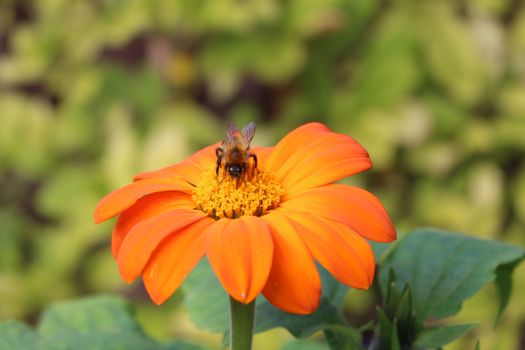 Photo: Victoria / Pexels
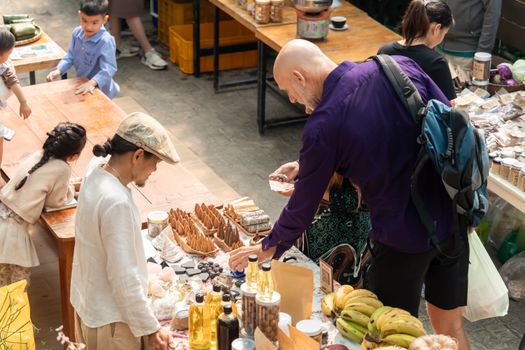 Photo: Surya Travel / Pexels
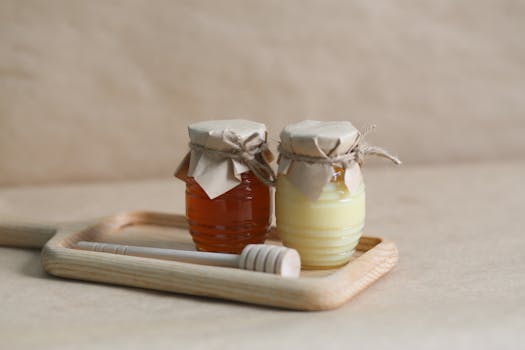 Photo: Nhà Mật / Pexels
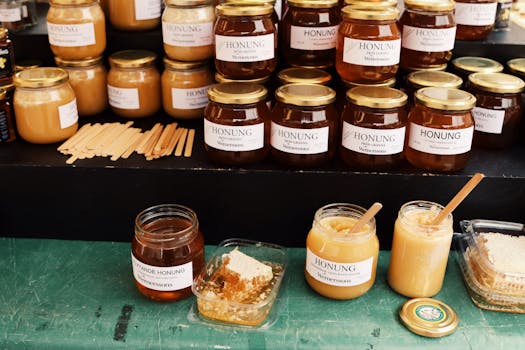 Photo: Efrem Efre / Pexels