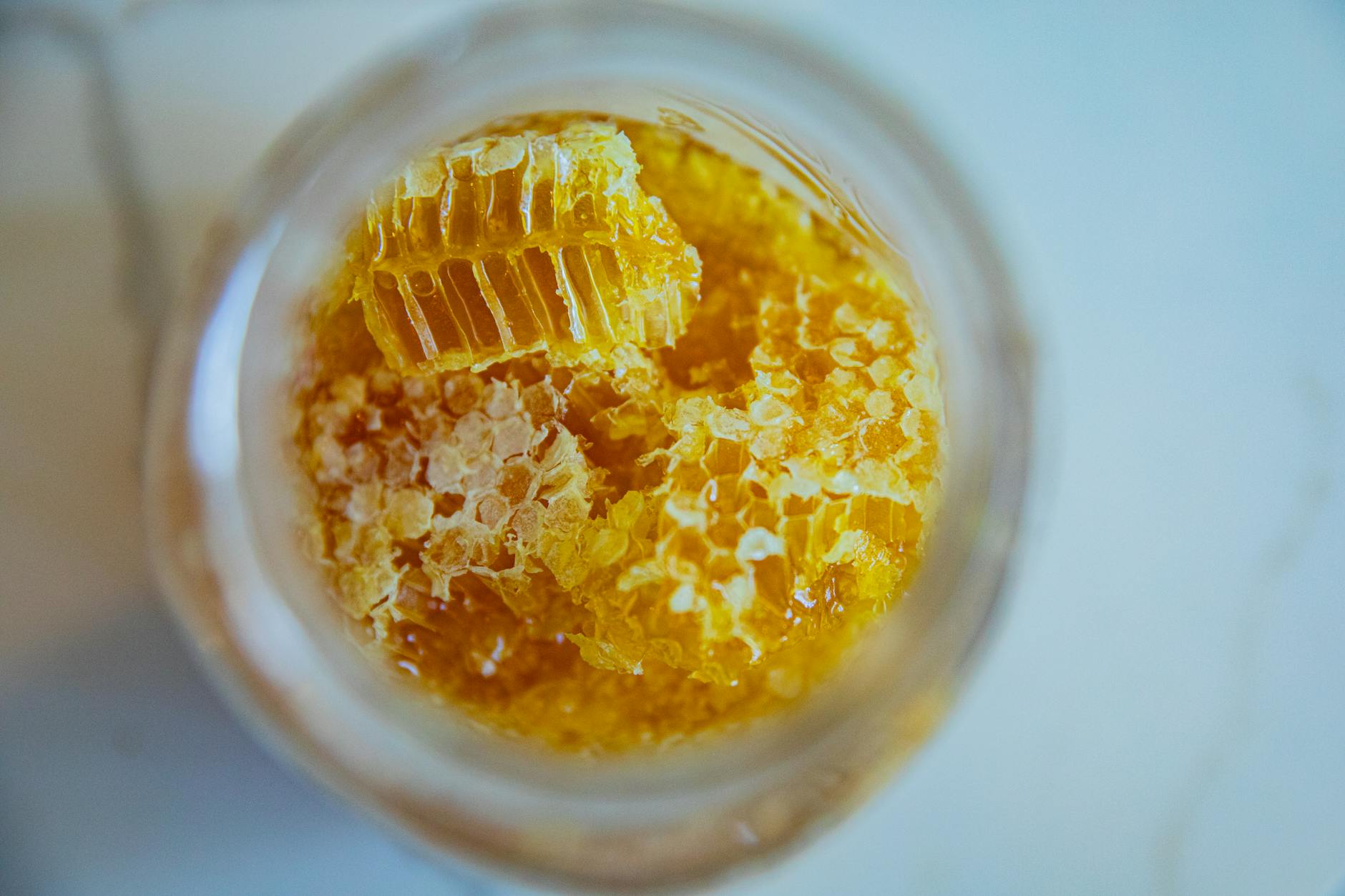
Where to Buy Local Honey Near Me: Your Ultimate Guide
where to buy local honey near me

Where to Buy Local Honey Near Me: Your Ultimate Guide

Unlock the sweetness and health benefits of local honey by finding the best sources in your community.

Find Your Local Honey!

Key Takeaways

  • ✓ Local honey can potentially help with seasonal allergies due to local pollen exposure.
  • ✓ Raw, unfiltered local honey retains more beneficial enzymes, antioxidants, and nutrients.
  • ✓ Purchasing local honey supports local beekeepers and sustainable agricultural practices.
  • ✓ Honey's flavor profile varies significantly based on the floral sources available to bees in a specific region.

How It Works

1
Identify Your Needs

Determine if you're looking for raw, unfiltered honey, specific floral notes, or just general local support. This helps narrow down your search criteria.

2
Explore Local Sources

Utilize online directories, local market listings, and community groups to find potential honey suppliers. Be sure to check their operating hours and availability.

3
Verify Locality & Purity

Ask questions about the honey's origin, processing, and the beekeeper's practices. Look for certifications or direct communication with the beekeeper to ensure authenticity.

4
Make Your Purchase

Support your local economy and enjoy the unique flavor and potential health benefits of your freshly sourced local honey. Store it properly to maintain its quality.

Unlocking the Sweetness: Why Local Honey Matters
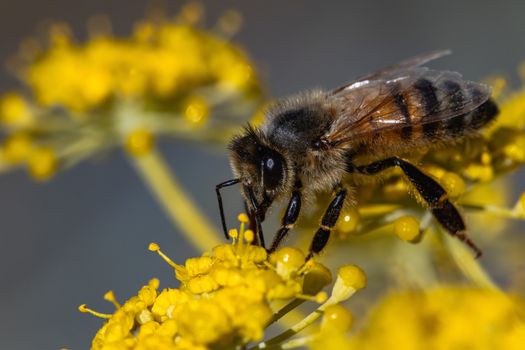
A detailed shot of a honeybee collecting pollen from a vibrant yellow flower. Photo: Robert So / Pexels
The quest for 'where to buy local honey near me' is more than just a search for a sweetener; it's a journey towards natural wellness, supporting local communities, and experiencing a truly unique culinary delight. Local honey, by definition, is produced by bees that forage on the local flora of your specific geographic region. This proximity is key, not only for its distinct flavor profile but also for the potential health benefits it offers. Unlike mass-produced honey, which is often blended from various sources and heavily processed, local honey typically retains more of its natural goodness. It's often raw and unfiltered, meaning it hasn't been subjected to high heat or fine filtration that can strip away beneficial enzymes, pollen, propolis, and antioxidants. These components are what make raw local honey a powerhouse of nutrition and a potential aid for common ailments. One of the most talked-about benefits of local honey is its potential role in alleviating seasonal allergies. The theory suggests that by consuming small amounts of local pollen present in the honey, your body can gradually build up a tolerance to these allergens, much like a natural immunotherapy. While scientific research on this topic is ongoing and results can vary, many individuals swear by its effectiveness. Beyond allergies, local honey is renowned for its antibacterial and anti-inflammatory properties. It’s a natural cough suppressant, a soothing remedy for sore throats, and an excellent topical treatment for minor cuts and burns due to its antiseptic qualities. Its complex carbohydrate structure also provides a sustained energy boost, making it a favorite among athletes and those seeking a natural alternative to refined sugars. The commitment to finding local honey also means supporting small-scale beekeepers and local agricultural practices. These beekeepers play a vital role in maintaining the health of local ecosystems through pollination, which is crucial for the reproduction of many plants, including those that produce our food. When you buy local, you're investing directly in your community, fostering sustainable practices, and helping to preserve the delicate balance of nature. This direct connection often means you can speak directly with the producer, learn about their beekeeping methods, and gain a deeper appreciation for the product you're consuming. The transparency and traceability that come with buying local are unparalleled, offering peace of mind about the purity and origin of your honey. Exploring the world of local honey is not just about taste; it's about making a conscious choice for your health and your community. For more insights into healthy eating, check out our guide on sustainable food choices.

Your Local Honey Hunt: Where to Begin Your Search
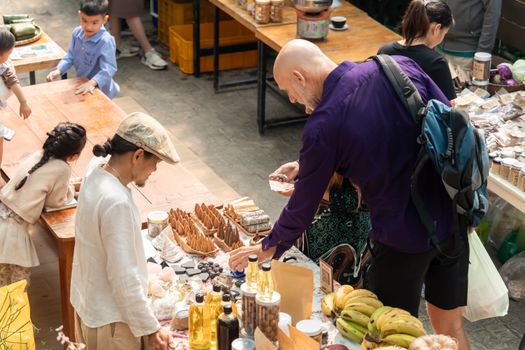
A vibrant outdoor market with diverse people browsing and buying assorted products from vendors. Photo: Surya Travel / Pexels
Embarking on the quest to find 'where to buy local honey near me' can be an exciting adventure, revealing a network of dedicated beekeepers and community-focused businesses. The most direct and often rewarding way to find local honey is by connecting with the beekeepers themselves. Many small-scale apiaries operate roadside stands, sell directly from their homes, or participate in local events. A simple online search for 'beekeepers near me' or 'local apiaries [your city/state]' can yield surprising results. Websites like LocalHarvest.org or EatWild.com often list farms and producers, including beekeepers, allowing you to filter by location and product. These platforms are invaluable resources for discovering hidden gems in your area. Another prime location for local honey is your nearest farmers' market. These vibrant community hubs are perfect for meeting producers face-to-face, sampling different varietals, and learning about the honey's origin. Vendors at farmers' markets are usually passionate about their products and eager to share their knowledge, providing a level of transparency and connection you won't find in a supermarket. Don't underestimate the power of word-of-mouth recommendations; ask friends, neighbors, or local community groups where they source their honey. They might have insider tips on small, independent beekeepers or lesser-known stands. Beyond direct-to-consumer options, many health food stores and specialty grocery stores prioritize stocking local products. When browsing their shelves, look for labels that explicitly state 'local honey,' 'raw local honey,' or include the name of a specific apiary or beekeeper from your region. Don't hesitate to ask store staff about their sourcing practices; they are often knowledgeable about their local suppliers. Some co-ops and natural food chains even have dedicated sections for local goods, making your search even easier. Community Supported Agriculture (CSA) programs are another excellent avenue. While primarily focused on produce, many CSAs partner with local beekeepers to offer honey as an add-on or a regular part of their share boxes. This provides a convenient way to receive fresh, local honey alongside your seasonal fruits and vegetables. Finally, consider local festivals, fairs, and agricultural events. These gatherings often feature booths from local producers, including beekeepers, offering a chance to taste and purchase a variety of local honeys while enjoying the community atmosphere. Remember, the journey to finding local honey is as much about discovering the unique character of your region's flora as it is about enjoying a delicious and healthful product. Each source offers a slightly different experience, from the direct interaction with a beekeeper to the curated selection at a local market, all contributing to the rich tapestry of your local food scene.

Ensuring Authenticity: What to Look for in Local Honey
Close-up view of fresh honeycomb pieces in a jar, showcasing natural sweetness and texture. Photo: Ekaterina Belinskaya / Pexels
Once you've identified potential sources for 'where to buy local honey near me,' the next crucial step is ensuring the authenticity and quality of your purchase. The term 'local' can sometimes be ambiguous, and 'raw' can also be interpreted differently. To truly benefit from local honey, you want to ensure it's minimally processed and genuinely sourced from bees foraging in your geographic area. The best way to guarantee authenticity is to buy directly from a beekeeper or a reputable vendor who can clearly articulate the honey's origin. Don't be shy to ask questions: Where are the beehives located? What flowers do the bees primarily forage on? How is the honey processed? A knowledgeable beekeeper will be happy to share details about their practices, offering transparency that builds trust. Look for honey that appears cloudy or contains small particles of pollen or beeswax; this is a strong indicator that it is raw and unfiltered. Clear, uniformly golden honey, especially if it never crystallizes, might have been heavily filtered or ultra-pasteurized, which can diminish its beneficial properties. Crystallization is a natural process for raw honey and does not indicate spoilage; in fact, it's often a sign of purity and quality. When examining the label, look for specific information. Beyond 'local,' try to find labels that specify the region, county, or even the name of the apiary. Terms like 'raw,' 'unfiltered,' 'unpasteurized,' and 'pure' are good signs. Be wary of generic labels that simply state 'honey' without any further detail about its origin or processing. Unfortunately, the honey market can sometimes be prone to adulteration, where honey is mixed with cheaper syrups like corn syrup or rice syrup. While this is less common with small local producers, it's always good to be informed. A simple test you can do at home is the 'thumb test': place a small drop of honey on your thumb. If it spreads out or soaks into your skin, it might be adulterated. Pure honey will stay intact. Another indicator is the taste; pure local honey often has a complex, nuanced flavor profile that reflects the local flora, unlike the uniformly sweet taste of highly processed honey. Trust your senses and don't hesitate to compare. Finally, consider the season. Honey harvested in spring will taste different from honey harvested in late summer, reflecting the different flowers in bloom. A beekeeper who can explain these seasonal variations is likely offering truly local and authentic products. By being an informed consumer and engaging with your suppliers, you can confidently find and enjoy the purest, most beneficial local honey available. Learn more about the importance of sourcing quality ingredients in our article on the benefits of organic produce.

Tips for Storing Local Honey & Maximizing its Benefits

Once you’ve successfully navigated 'where to buy local honey near me' and brought home your golden treasure, proper storage is key to preserving its quality, flavor, and beneficial properties. Honey is remarkably shelf-stable and, when stored correctly, can last indefinitely. The primary enemies of honey are moisture and extreme temperature fluctuations. Always store your honey in a tightly sealed container, preferably glass, to prevent it from absorbing moisture from the air. Honey is hygroscopic, meaning it attracts and retains water, which can lead to fermentation if the moisture content becomes too high. Keep the container in a cool, dry place away from direct sunlight. A pantry or cupboard is ideal. Avoid storing honey in the refrigerator, as the cold temperatures will accelerate crystallization, making it harder to pour and use. While crystallization is a natural process for raw honey and does not affect its quality or edibility, it can be inconvenient. If your honey does crystallize, you can easily restore it to its liquid state by gently warming the jar in a bowl of warm water (not hot) or using a honey warmer. Be careful not to overheat it, as high temperatures can destroy the delicate enzymes and beneficial compounds. To truly maximize the benefits of your local honey, consider how you incorporate it into your diet. For potential allergy relief, many people consume a small spoonful (1-2 teaspoons) daily, often in the morning. For soothing a sore throat or cough, mix it with warm water and lemon, or simply take a spoonful straight. Remember that heating honey to high temperatures, such as boiling it in tea or baking, can reduce its nutritional value, particularly the enzyme activity. If you want to retain its raw benefits, add it to warm (not scalding hot) beverages or drizzle it over foods after they've been cooked or cooled slightly. Local honey is also a versatile ingredient in salad dressings, marinades, and as a natural sweetener in smoothies or yogurt. Experiment with different floral varieties; a light, delicate clover honey might be perfect for tea, while a robust buckwheat honey could complement a cheese board. Finally, don't forget its external uses. A small amount can be applied directly to minor cuts or burns for its antiseptic properties, or used in homemade face masks for its moisturizing and antibacterial effects. By understanding how to store and use your local honey effectively, you ensure that every spoonful delivers its full potential, from delightful flavor to holistic wellness.

Comparison

FeatureDirect from Beekeeper/Farmers MarketHealth Food Store (Local Section)Supermarket (Generic Honey)
Locality AssuranceHighest (direct conversation)High (labeled, store vetting)Low (often blended, unclear origin)
Raw & Unfiltered PotentialVery HighHighLow (often pasteurized/filtered)
Support Local Economy✓ (indirectly)
Variety of FlavorsExcellent (seasonal, floral)Good (curated selection)Limited (standardized taste)
Price PointModerate to PremiumPremiumBudget to Moderate

What Readers Say

"I found an amazing apiary near me through a local farmers' market. The honey is so rich and flavorful, and I've noticed a real difference in my seasonal allergies since I started using it daily. It's truly the best local honey I've ever tasted!"

Sarah J. · Austin, TX

"Searching for 'where to buy local honey near me' led me to a small health food store that stocks honey from three different local beekeepers. Each one has a unique taste, reflecting the diverse flora of our region. I love knowing exactly where my honey comes from."

Mark D. · Portland, OR

"After struggling with a persistent cough, a friend recommended local raw honey. I found a great source through a community Facebook group. My cough subsided significantly faster than with over-the-counter remedies. It's my new go-to for natural relief!"

Emily R. · Charlotte, NC

"It took a bit of searching to find a truly local beekeeper, but it was worth it. The honey is excellent, though a bit pricier than what I'd usually spend. However, the quality and knowing I'm supporting a local business makes the extra cost understandable."

David W. · Denver, CO

"I use local honey in my homemade sourdough bread and it gives it such an incredible depth of flavor. Finding a local source for 'where to buy local honey near me' at my town's weekly market has elevated my baking to a whole new level."

Jessica L. · Boston, MA

Frequently Asked Questions

What's the best way to find local beekeepers in my area?

The best ways to find local beekeepers are by visiting farmers' markets, checking online directories like LocalHarvest.org, asking at health food stores, or inquiring in local community groups on social media. Many beekeepers also have roadside stands or direct-to-consumer sales from their homes.

Is local honey truly better for allergies than regular honey?

While anecdotal evidence and many personal testimonials suggest local honey can help with seasonal allergies, scientific research is still inconclusive. The theory is that local pollen in the honey can build immunity. However, it's generally safe to try and may offer other health benefits.

How can I tell if honey is truly raw and local?

Look for honey that is cloudy, contains small flecks of pollen or beeswax, and may crystallize over time. Ask the producer directly about their harvesting and processing methods. A truly raw, local honey will often be sold by a beekeeper who can tell you about their bees and their foraging area.

How much does local honey typically cost compared to supermarket honey?

Local honey, especially raw and unfiltered, generally costs more than mass-produced supermarket honey. This is due to smaller production scales, specialized care, and the value of its purity and potential health benefits. Prices can vary widely based on region, floral source, and container size.

Can I use local honey in baking or hot drinks without losing its benefits?

While you can use local honey in baking and hot drinks, heating it to high temperatures (above 105°F / 40°C) can degrade some of its beneficial enzymes, antioxidants, and other delicate compounds. To retain maximum benefits, add it to warm (not boiling) beverages or after baking/cooking.

Who should prioritize buying local honey?

Anyone interested in supporting local agriculture, seeking potential natural remedies for seasonal allergies, preferring minimally processed foods, or simply desiring a unique, nuanced flavor experience should prioritize buying local honey. It's a choice for both health and community.

Are there any risks associated with consuming raw local honey?

For most adults and children over one year old, raw local honey is safe to consume. However, it should never be given to infants under one year of age due to the risk of infant botulism, as raw honey can contain Clostridium botulinum spores. People with severe pollen allergies should also introduce it cautiously.

Will local honey become more accessible in the future?

As consumer awareness about the benefits of local and raw products grows, and as interest in sustainable agriculture increases, it's likely that local honey will become even more accessible. More beekeepers are emerging, and distribution channels like online farmer's markets are expanding, making it easier to find 'where to buy local honey near me'.

Embark on your journey to discover the purest, most beneficial local honey available in your area. By seeking out local beekeepers and markets, you not only enrich your health but also support the vital work of local agriculture and environmental stewardship. Find your local honey today and taste the difference!

Topics: where to buy local honey near melocal honey benefitsraw honey sourcesfind beekeeperspure honey direct
Leo List
Brampton weed
Adultwork