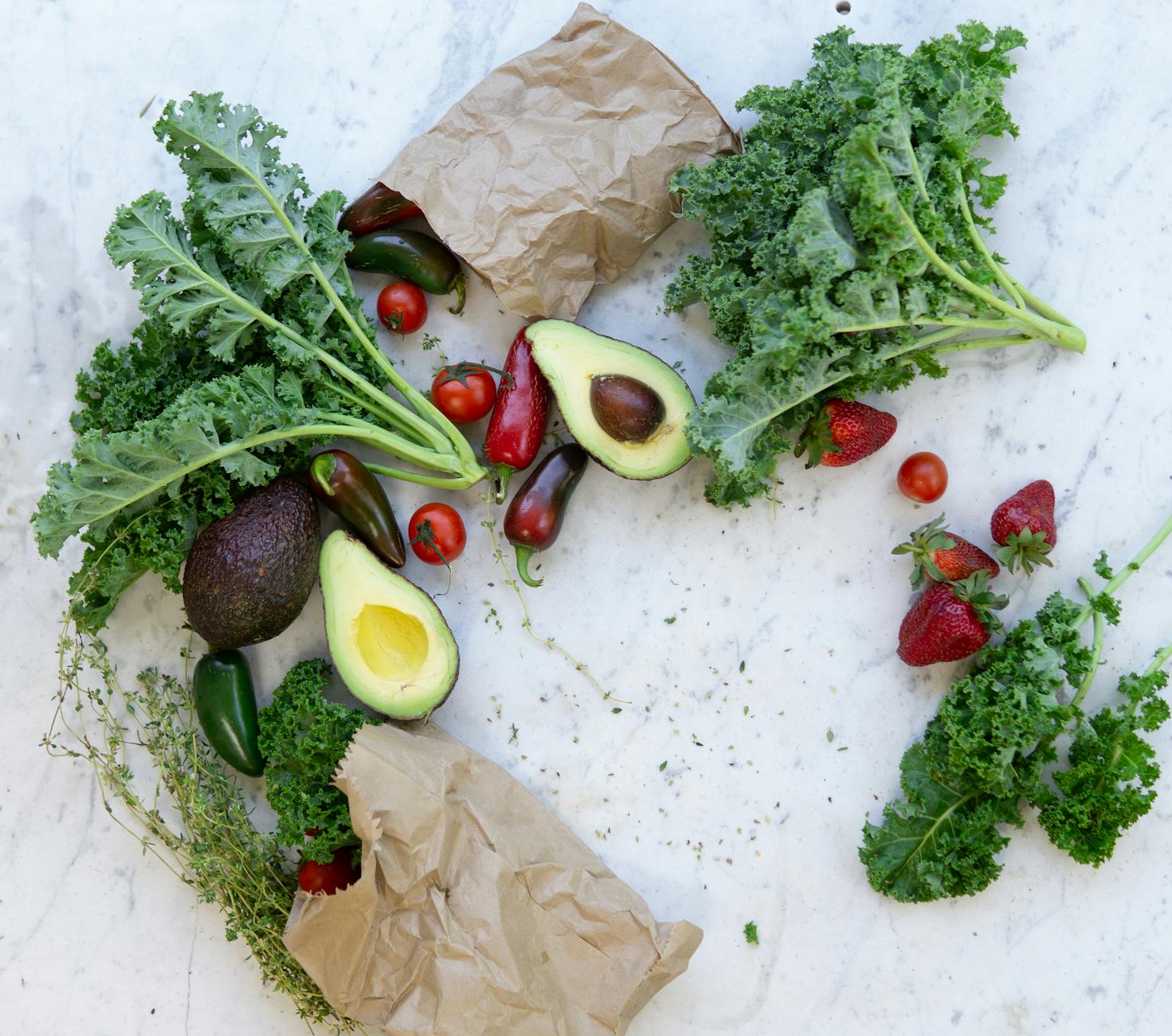
What Is The Keto Diet Food List? Your Ultimate Guide
what is the keto diet food list

What Is The Keto Diet Food List? Your Ultimate Guide

Unlock the secrets to a successful ketogenic lifestyle with this essential guide to approved foods and meal planning.

Start Your Keto Journey

Key Takeaways

  • ✓ The ketogenic diet emphasizes very low carbohydrate intake, moderate protein, and high fat.
  • ✓ The primary goal of keto is to induce ketosis, where the body burns fat for fuel instead of glucose.
  • ✓ Approved keto foods include meats, poultry, fish, eggs, healthy fats, low-carb vegetables, and certain dairy.
  • ✓ Foods to strictly avoid are grains, sugar, most fruits, root vegetables, and processed foods.

How It Works

1
Reduce Carb Intake Drastically

To initiate ketosis, you must limit your carbohydrate intake to typically 20-50 grams per day. This forces your body to seek an alternative energy source.

2
Increase Healthy Fat Consumption

With carbs restricted, fats become your primary energy source, making up 70-80% of your daily calories. Focus on healthy fats like avocados, olive oil, and nuts.

3
Maintain Moderate Protein Intake

Protein is essential for muscle maintenance and satiety, but excessive protein can be converted to glucose, hindering ketosis. Aim for 20-25% of your calories from protein.

4
Enter Ketosis and Burn Fat

After a few days of strict adherence, your body will deplete its glucose stores and begin producing ketones from fat. These ketones then fuel your brain and body.

Understanding the Foundation: What is the Keto Diet Food List?

Woman in a grocery store using smartphone while pushing a shopping cart filled with groceries. Photo: Gustavo Fring / Pexels
Embarking on a ketogenic diet can feel like stepping into a whole new world of eating. The fundamental principle revolves around drastically reducing carbohydrate intake and replacing it with fat. This metabolic shift, known as ketosis, transforms your body into an incredibly efficient fat-burning machine, not just for the fat you eat, but also for stored body fat. Understanding exactly what is the keto diet food list is paramount to success, as even small deviations can disrupt ketosis and slow your progress. It’s not just about cutting carbs; it’s about making informed choices that support your body’s new fuel source. At its core, the keto diet prioritizes whole, unprocessed foods that are naturally low in carbohydrates. This means saying goodbye to sugary drinks, pasta, bread, rice, and most fruits, and embracing a delicious array of meats, healthy fats, and non-starchy vegetables. The beauty of the keto diet lies in its ability to provide sustained energy, reduce hunger, and potentially offer numerous health benefits beyond just weight loss. However, these benefits are only truly realized when you consistently adhere to the specific macronutrient ratios and food choices. A well-planned keto food list ensures you're getting adequate nutrition while keeping your body in a fat-burning state. The transition to a ketogenic lifestyle requires a shift in mindset and a careful re-evaluation of your pantry. Many common staples in the Western diet are high in carbohydrates, making them incompatible with keto. This guide aims to demystify the process, providing you with a clear, actionable list of foods you can enjoy freely, those to consume in moderation, and those to avoid entirely. By understanding the 'why' behind each food choice, you'll be empowered to make sustainable decisions that support your health goals. Remember, knowledge is power, especially when it comes to transforming your eating habits and achieving optimal wellness. Getting started with a clear understanding of healthy eating habits will set you up for long-term success on your keto journey.

The Essential Keto-Friendly Food Categories: What to Stock Up On

Top view of a raw steak on a cutting board with rosemary and red chili peppers. Photo: Luis Merlos Vega / Pexels
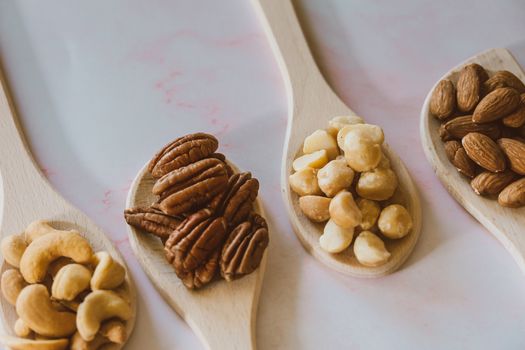
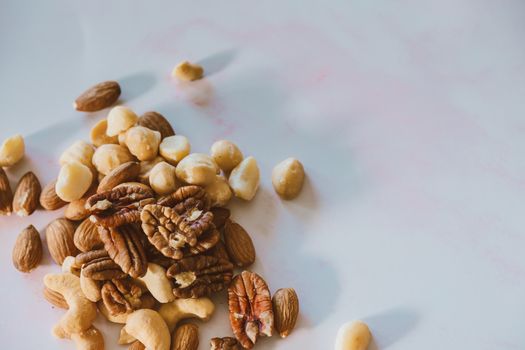
Building your keto pantry starts with understanding the core categories of foods that are not only compliant but also delicious and nutritious. The good news is that a keto diet can be incredibly varied and satisfying, with a focus on nutrient-dense options that keep you full and energized. **Meats and Poultry:** These are cornerstones of the keto diet, providing essential protein and healthy fats. Think fatty cuts of beef (ribeye, chuck roast), pork (belly, chops), lamb, and poultry with the skin on (chicken thighs, duck). Organ meats like liver are also highly nutritious. Always opt for grass-fed and pastured options when possible, as they often have a better fatty acid profile. **Fatty Fish and Seafood:** Rich in omega-3 fatty acids, fish like salmon, mackerel, sardines, and trout are excellent choices. Shellfish like shrimp, crab, and lobster are also very low in carbs and can be enjoyed regularly. These provide not only healthy fats but also crucial vitamins and minerals. **Eggs:** Versatile and packed with nutrients, eggs are a keto staple. Enjoy them scrambled, fried, poached, or in omelets. They are an excellent source of protein and healthy fats, and their low-carb profile makes them perfect for any meal. **Healthy Fats and Oils:** This is where the majority of your calories will come from. Embrace healthy fats like avocado oil, olive oil, coconut oil, butter, ghee, and lard. Mayonnaise made with avocado or olive oil is also a great option. These fats are crucial for energy and satiety. **Low-Carb Vegetables:** Focus on non-starchy vegetables that grow above ground. Leafy greens like spinach, kale, lettuce, and collard greens are excellent. Cruciferous vegetables such as broccoli, cauliflower, Brussels sprouts, and cabbage are also keto-friendly. Other options include zucchini, asparagus, bell peppers (especially green), and mushrooms. These provide fiber, vitamins, and minerals without spiking blood sugar. **Full-Fat Dairy (in moderation):** While some dairy can be high in carbs, full-fat, unsweetened options can be included. Examples include heavy cream, sour cream, full-fat cream cheese, and hard cheeses like cheddar, gouda, and parmesan. Always check labels for added sugars and carb counts, as these can vary significantly between brands. **Nuts and Seeds (in moderation):** While higher in calories and some carbs, nuts and seeds can be part of a keto diet in controlled portions. Almonds, macadamia nuts, pecans, walnuts, chia seeds, flax seeds, and hemp seeds are good choices. They provide healthy fats, fiber, and some protein. Be mindful of portion sizes to avoid exceeding your carb limit. **Avocados:** Deserving of their own mention, avocados are a superfood on keto. They are incredibly rich in healthy monounsaturated fats, fiber, and potassium, making them perfect for maintaining electrolyte balance and satiety. **Herbs and Spices:** Don't forget to flavor your food! Most herbs and spices are carb-free and can be used liberally to enhance the taste of your keto meals. By focusing on these categories, you can create a diverse and satisfying meal plan that keeps you in ketosis and supports your overall health goals. Remember, quality matters, so choose the freshest and least processed options available.

Foods to Avoid and Those to Consume Cautiously on Your Keto Journey

Delicious vegan bowl with zoodles, avocado, tofu, and greens on a wooden table. Photo: Valeria Boltneva / Pexels
Just as important as knowing what to eat is understanding what to avoid or consume with extreme caution when following a ketogenic diet. The success of ketosis hinges on carbohydrate restriction, meaning any food that significantly contributes to your daily carb count can derail your progress. This section details the common culprits that must be eliminated or severely limited to maintain a state of ketosis. **Sugary Foods:** This is perhaps the most obvious category. All forms of sugar are off-limits, including candy, soda, fruit juice, cakes, cookies, ice cream, and most processed desserts. Even natural sweeteners like honey, maple syrup, and agave nectar are high in carbs and should be avoided. Always check labels for hidden sugars in seemingly savory items like sauces and condiments. **Grains and Starches:** This category includes a vast array of common foods that are staples in many diets. Bread, pasta, rice (white, brown, wild), oats, quinoa, barley, corn, and all products made from these grains (e.g., crackers, cereals) are high in carbohydrates and must be eliminated. Even 'healthy' whole grains are too high in carbs for a ketogenic diet. **Most Fruits:** While fruits are often lauded for their health benefits, most are too high in sugar (fructose) to be keto-friendly. This includes apples, bananas, oranges, grapes, mangoes, pineapples, and most berries (except in very small quantities). Small amounts of certain berries like raspberries, blackberries, and strawberries can be consumed in moderation, but always monitor your carb intake. **Root Vegetables and Tubers:** Potatoes, sweet potatoes, yams, carrots, parsnips, and beets are generally too high in carbohydrates to be included in a keto diet. These vegetables store significant amounts of starch, which converts to glucose in the body. **Legumes:** Beans (black beans, kidney beans, chickpeas, lentils), peas, and peanuts are relatively high in carbohydrates and should be avoided. While peanuts are technically legumes, they are often grouped with nuts; however, their carb count makes them unsuitable for strict keto. **Low-Fat Dairy Products:** Many low-fat and fat-free dairy products contain added sugars or higher carbohydrate counts to compensate for the removed fat. Always opt for full-fat, unsweetened versions if you choose to include dairy. **Processed Foods:** Ultra-processed foods, even those marketed as 'keto-friendly,' often contain hidden sugars, unhealthy trans fats, and artificial ingredients that are detrimental to health and can hinder ketosis. Stick to whole, unprocessed foods as much as possible. **Certain Oils:** While healthy fats are encouraged, some vegetable oils are highly processed and inflammatory. Avoid soybean oil, corn oil, cottonseed oil, grapeseed oil, and sunflower oil. Stick to natural, unrefined fats like olive oil, avocado oil, and coconut oil. **Alcohol:** Many alcoholic beverages, especially beer, sweet wines, and mixed drinks, are high in carbohydrates. Dry wines and hard liquors (without sugary mixers) can be consumed in very limited moderation once fully fat-adapted, but alcohol can slow fat burning and should be approached cautiously. For those looking to optimize their food choices, understanding what are the best sources of protein can further refine their keto meal planning. By carefully avoiding these high-carb foods and focusing on the approved list, you can successfully maintain ketosis and reap the numerous benefits of the ketogenic diet. Reading food labels meticulously becomes a vital skill to identify hidden carbohydrates and make informed choices.

Practical Tips for Navigating the Keto Food List and Avoiding Common Mistakes

Successfully adhering to what is the keto diet food list requires more than just knowing what to eat; it demands practical strategies and an awareness of common pitfalls. Here are some essential tips to help you navigate your keto journey smoothly and avoid mistakes that could hinder your progress: * **Read Food Labels Religiously:** This cannot be stressed enough. Many seemingly innocent foods contain hidden sugars or starches. Always check the 'Total Carbohydrates' and 'Dietary Fiber' to calculate net carbs (Total Carbs - Fiber). Pay attention to serving sizes, as these can dramatically impact your carb count. * **Plan Your Meals in Advance:** Meal prepping is a game-changer for keto. Knowing what you'll eat for each meal reduces the likelihood of impulsive, high-carb choices, especially when hunger strikes. Prepare keto-friendly snacks to have on hand. * **Stay Hydrated and Mind Electrolytes:** When transitioning to keto, your body sheds water and electrolytes. Drink plenty of water and consider supplementing with sodium, potassium, and magnesium. Bone broth is an excellent source of electrolytes. * **Don't Fear Fat, Embrace Healthy Fats:** The keto diet is high-fat. Many people coming from low-fat diet mentalities struggle with this. Healthy fats are your primary energy source and crucial for satiety. Prioritize fats from avocados, olive oil, fatty fish, and nuts. * **Be Mindful of Protein Intake:** While protein is essential, excessive protein can be converted to glucose through gluconeogenesis, potentially kicking you out of ketosis. Aim for moderate protein (around 20-25% of calories) rather than very high protein. * **Vary Your Low-Carb Vegetables:** Don't just stick to broccoli and cauliflower. Explore a wide range of leafy greens and non-starchy vegetables to ensure you're getting a diverse array of vitamins and minerals. This also adds flavor and prevents boredom. * **Watch Out for 'Keto-Friendly' Processed Foods:** The market is flooded with 'keto' products. While some can be convenient, many contain artificial sweeteners, unhealthy oils, or carb counts that are still too high. Prioritize whole, unprocessed foods. * **Track Your Macronutrients (Initially):** Especially when starting, tracking your carbs, fats, and protein using an app can be incredibly helpful. This ensures you're hitting your targets and staying in ketosis. Once you get a feel for portion sizes, you can ease off. * **Listen to Your Body:** Everyone's body responds differently. Pay attention to how you feel. If you're experiencing symptoms like the 'keto flu,' it often points to electrolyte imbalances. Adjust your intake as needed. * **Be Patient and Consistent:** It takes time for your body to adapt to burning fat for fuel. Don't get discouraged if you don't see immediate results or if you accidentally consume too many carbs. Consistency over time is key to long-term success on the keto diet. These tips will help you not only adhere to what is the keto diet food list but also make the lifestyle sustainable and enjoyable.

Comparison

Food CategoryKeto-FriendlyModerate KetoAvoid on Keto
Meats & PoultryFatty cuts, skin-on poultryLeaner cuts (moderate)Processed meats with added sugar
Fats & OilsAvocado, Olive, Coconut Oil, Butter, GheeNuts/Seeds (small portions)Seed oils (soybean, corn)
VegetablesLeafy greens, broccoli, cauliflower, zucchiniBell peppers, onions, tomatoes (small portions)Potatoes, sweet potatoes, carrots
FruitsAvocado, Blackberries, Raspberries (small)Lemons, LimesApples, Bananas, Grapes, Oranges
DairyFull-fat cheese, heavy cream, cream cheeseUnsweetened full-fat yogurt (very small)Low-fat dairy, sweetened dairy
Grains & StarchesBread, pasta, rice, oats, corn
Sugars & SweetenersStevia, Erythritol, Monk FruitXylitol (moderate, can spike some)Sugar, honey, maple syrup, agave

What Readers Say

"This guide on what is the keto diet food list completely transformed my understanding. I no longer feel lost at the grocery store and have been consistently in ketosis for weeks. My energy levels are through the roof!"

Sarah J. · Austin, TX

"I've tried keto before and failed, but this comprehensive list of what to eat and avoid has made all the difference. It's incredibly detailed and easy to follow, I've lost 15 pounds already!"

Mark T. · Denver, CO

"The section on common mistakes was a lifesaver! I realized I was overdoing protein. Adjusting my diet based on this guide on what is the keto diet food list resulted in breaking my plateau and feeling much better."

Jessica L. · Miami, FL

"While very thorough, I wish there were a few more specific brand recommendations for dairy, as carb counts can vary. Still, an invaluable resource for anyone asking what is the keto diet food list."

David M. · Seattle, WA

"As a busy professional, the meal planning tips and clear food categories made implementing keto so much easier. This article is the ultimate resource for understanding what is the keto diet food list and how to make it work."

Emily R. · Chicago, IL

Frequently Asked Questions

What are the absolute must-avoid foods on a keto diet?

The absolute must-avoid foods on a keto diet include all forms of sugar (candy, soda, desserts), grains (bread, pasta, rice, oats), most fruits (apples, bananas, oranges), root vegetables (potatoes, sweet potatoes), and legumes (beans, lentils). These foods are high in carbohydrates and will prevent your body from entering or staying in ketosis.

Will I feel hungry all the time on a keto diet?

No, typically people report feeling less hungry on a keto diet. The high fat and moderate protein content of keto-friendly foods are incredibly satiating, helping to reduce cravings and keep you feeling full for longer periods. This is one of the key benefits many individuals experience.

How do I calculate net carbs for keto-friendly foods?

To calculate net carbs, you subtract the dietary fiber from the total carbohydrates listed on a food label. For example, if a food has 10g of total carbs and 5g of fiber, its net carb count is 5g. This is the number you track against your daily carb limit (typically 20-50g).

Is the keto diet expensive to follow?

The cost of a keto diet can vary. While some specialty keto products or grass-fed meats can be pricier, focusing on whole, unprocessed foods like eggs, chicken thighs, ground beef, and seasonal low-carb vegetables can make it quite affordable. Meal planning and buying in bulk can also help manage costs.

How does the keto diet compare to a low-carb diet?

While both are low-carb, the keto diet is a much stricter form of carbohydrate restriction, typically aiming for 20-50g net carbs per day to induce ketosis. A general low-carb diet might allow for 50-150g of carbs daily, which may not be low enough to consistently achieve and maintain a ketogenic state.

Who should NOT attempt the keto diet without medical supervision?

Individuals with certain medical conditions, such as pancreatic disease, liver conditions, thyroid problems, gallbladder disease, or those with impaired fat metabolism, should not attempt the keto diet without strict medical supervision. Pregnant or breastfeeding women, and people on certain medications, should also consult a doctor.

Are artificial sweeteners allowed on the keto diet?

Some artificial sweeteners like stevia, erythritol, and monk fruit are generally considered keto-friendly as they don't significantly impact blood sugar. However, others like maltitol can cause a blood sugar spike for some individuals. It's best to use them sparingly and monitor your body's reaction.

What are some emerging trends in keto-friendly foods or approaches?

Emerging trends in keto include a growing focus on 'clean keto' (prioritizing whole, organic foods), more specialized keto products using natural sweeteners and healthy fats, and increased research into the therapeutic applications of ketogenic diets beyond weight loss, such as for neurological conditions and metabolic health.

Armed with this comprehensive guide to what is the keto diet food list, you're now ready to confidently embark on your ketogenic journey. Start planning your meals, stock your pantry with delicious, compliant foods, and experience the transformative benefits of a fat-adapted lifestyle today. Your journey to better health and sustained energy begins now.

Topics: what is the keto diet food listketo foodslow carb dietketogenic food guideketo meal plan
Leo List
Brampton weed
Adultwork