
Unlock Vitality: What Are Superfoods Benefits?

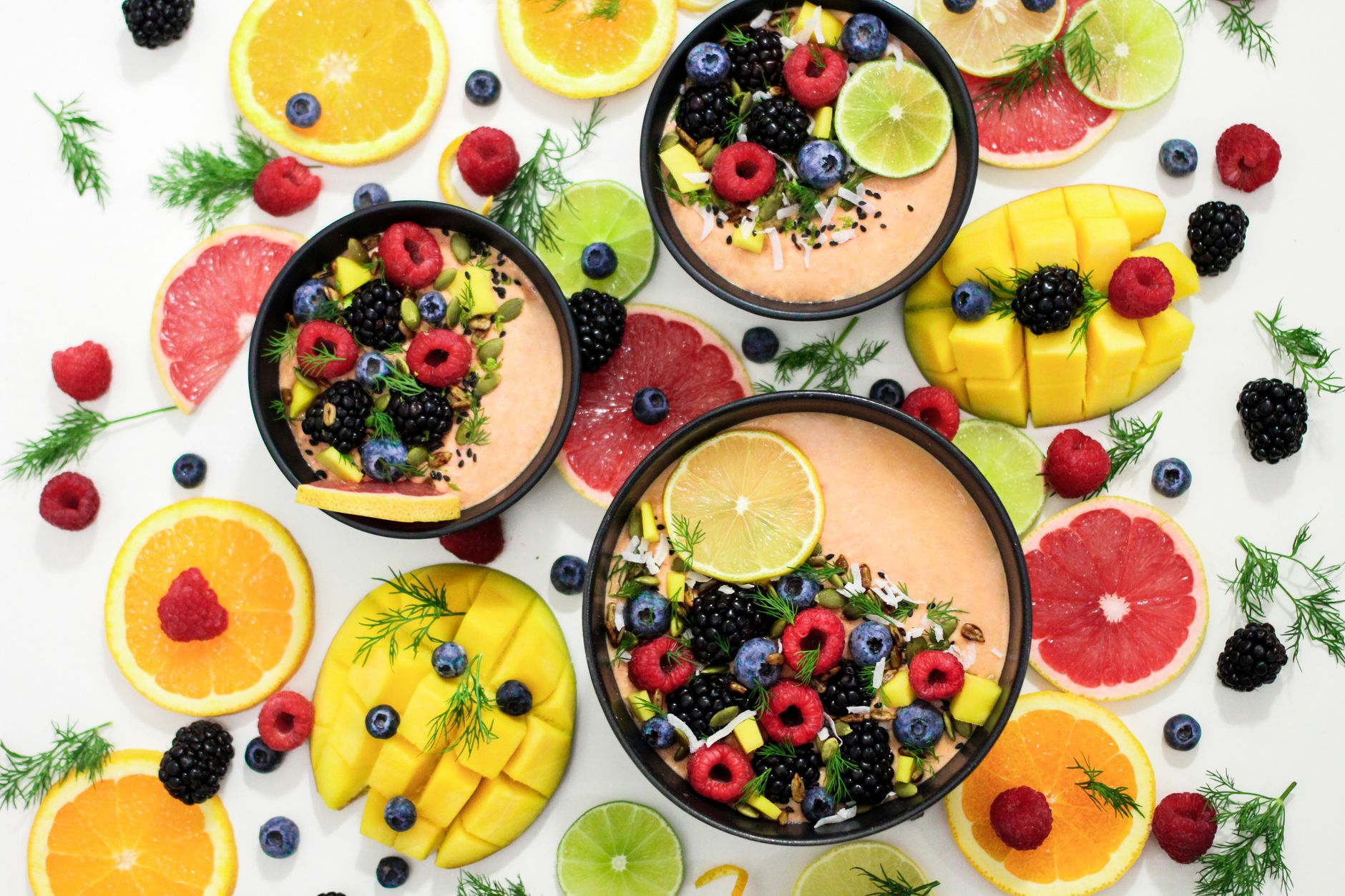
A colorful assortment of fresh fruit bowls featuring mixed berries and citrus slices, perfect for healthy eating inspiration.Photo: Jane T D. / Pexels

Unlock Vitality: What Are Superfoods Benefits?

Explore how nutrient-dense superfoods can revolutionize your health, energy levels, and overall well-being.

Discover Superfood Power

Key Takeaways

  • ✓ Superfoods are nutrient-dense foods, not a scientifically defined category.
  • ✓ They are packed with vitamins, minerals, antioxidants, and phytochemicals.
  • ✓ Regular consumption can support immune function, heart health, and energy levels.
  • ✓ Incorporating a variety of superfoods is more beneficial than focusing on just one.

How It Works

1
Identify Your Nutritional Goals

Before diving in, consider what health aspects you want to improve, such as energy, immunity, or digestion. This helps tailor your superfood choices.

2
Integrate Gradually into Diet

Start by adding small portions of superfoods to your existing meals, like berries in oatmeal or spinach in smoothies. Gradual introduction helps your body adjust.

3
Explore a Diverse Range

Don't stick to just one or two; a wide variety of superfoods provides a broader spectrum of nutrients. Experiment with different fruits, vegetables, grains, and seeds.

4
Maintain Consistency for Results

The benefits of superfoods accrue over time with regular consumption. Make them a consistent part of your daily or weekly meal planning for sustained health improvements.

Understanding the Power of Nutrient-Dense Foods

A selection of Hungarian vegetable spreads in jars on a wooden tray.Photo: Zsolt Bodnár / Pexels
The term 'superfood' has gained immense popularity in recent years, often appearing on health blogs, grocery store shelves, and in conversations about optimal wellness. But what exactly defines a superfood, and more importantly, what are superfoods benefits that make them so highly regarded? Contrary to popular belief, 'superfood' isn't a scientific classification but rather a marketing term used to describe foods that are exceptionally rich in nutrients and offer significant health advantages due to their high concentration of vitamins, minerals, antioxidants, and phytochemicals. These are foods that provide maximum nutritional benefit for minimal calories. Think of it this way: while all fruits and vegetables are good for you, superfoods stand out because they deliver a powerful punch of beneficial compounds in relatively small servings. For instance, a small handful of blueberries offers a potent dose of antioxidants, far exceeding what you might find in many other fruits. Similarly, a serving of kale provides a remarkable array of vitamins K, A, and C, along with essential minerals. The focus isn't just on single nutrients but on the synergistic effect of their components. Many superfoods contain unique compounds that work together to enhance absorption and efficacy within the body. The nutritional density of superfoods is what truly sets them apart. They often contain high levels of specific micronutrients that are crucial for various bodily functions. For example, omega-3 fatty acids found in chia seeds and flaxseeds are vital for brain health and reducing inflammation. Antioxidants in acai berries and green tea combat oxidative stress, protecting cells from damage caused by free radicals. Fiber, abundant in foods like oats and lentils, supports digestive health and helps regulate blood sugar levels. These aren't just 'good-for-you' foods; they are nutritional powerhouses designed by nature to support optimal human health. Incorporating these foods into your diet isn't about replacing all other healthy foods, but rather enhancing your overall nutritional intake. It's about making conscious choices to include foods that offer the most bang for your nutritional buck. The benefits aren't instantaneous; they accumulate over time as your body consistently receives the vital building blocks it needs to function at its best. This sustained intake can lead to improvements across various health markers, from energy levels and immune response to skin health and cognitive function. Understanding this foundational concept is the first step in appreciating the profound impact superfoods can have on your well-being.

Boosting Immunity and Enhancing Overall Well-being
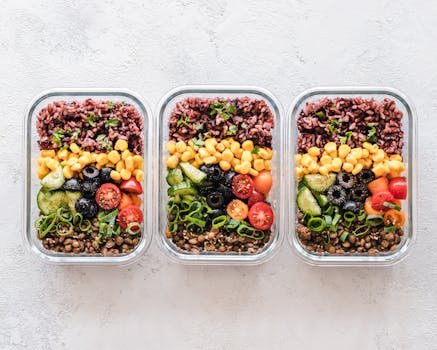
Colorful healthy meal prep with corn, olives, tomatoes, and lentils in glass containers. Perfect for mindful eating.Photo: Ella Olsson / Pexels
One of the most compelling answers to what are superfoods benefits lies in their profound ability to bolster the immune system. A robust immune system is your body's primary defense against illnesses, infections, and chronic diseases. Many superfoods are loaded with vitamins and antioxidants that play critical roles in immune function. For example, citrus fruits, bell peppers, and kiwi are excellent sources of Vitamin C, a powerful antioxidant known to stimulate the production of white blood cells, which are crucial for fighting off pathogens. Similarly, foods rich in Vitamin E, like almonds and spinach, act as antioxidants and support immune cell activity. Beyond just vitamins, superfoods often contain unique phytochemicals – plant compounds that have protective or disease-preventing properties. Flavonoids, found in berries, dark chocolate, and green tea, possess anti-inflammatory and antiviral effects. Carotenoids, abundant in carrots, sweet potatoes, and leafy greens, are converted to Vitamin A in the body, which is essential for healthy mucous membranes and skin, forming a vital barrier against invaders. These compounds work synergistically to create an environment where the immune system can thrive, making your body more resilient to external threats. Furthermore, many superfoods contribute to gut health, which is intricately linked to immunity. Probiotic-rich foods like kefir and sauerkraut introduce beneficial bacteria into the gut microbiome, while fiber-rich superfoods such as oats, legumes, and chia seeds act as prebiotics, feeding these good bacteria. A healthy gut microbiome is known to influence immune cell development and function, reducing inflammation and improving the body's ability to respond to pathogens. This connection between gut health and immunity highlights the holistic benefits of incorporating diverse superfoods into your diet. The enhancement of overall well-being extends beyond just immunity. Regular consumption of superfoods can lead to increased energy levels, improved mood, and better sleep quality. The array of B vitamins in whole grains and leafy greens supports energy metabolism, while magnesium in nuts and seeds can aid in relaxation and sleep. The anti-inflammatory properties of many superfoods can also help alleviate chronic pain and discomfort, contributing to a better quality of life. By providing the body with the optimal fuel and protective compounds it needs, superfoods empower you to feel more vibrant, resilient, and energetic each day, showcasing their comprehensive impact on your health.

Supporting Heart Health and Chronic Disease Prevention

When we explore what are superfoods benefits, their significant role in promoting cardiovascular health and preventing chronic diseases consistently emerges as a top advantage. Heart disease remains a leading cause of mortality, but dietary choices can play a powerful preventative role. Many superfoods are natural allies for a healthy heart, primarily due to their high fiber content, healthy fats, and potent antioxidant profiles. For instance, avocados, rich in monounsaturated fats, help lower 'bad' LDL cholesterol levels while increasing 'good' HDL cholesterol. Similarly, fatty fish like salmon and mackerel are packed with omega-3 fatty acids, which reduce triglycerides, lower blood pressure, and decrease the risk of blood clot formation. These healthy fats are crucial for maintaining arterial flexibility and reducing inflammation throughout the cardiovascular system. Fiber-rich superfoods, including oats, barley, legumes, and various fruits and vegetables, are also champions for heart health. Soluble fiber, found in many of these foods, helps bind to cholesterol in the digestive tract and remove it from the body, thereby lowering overall cholesterol levels. Insoluble fiber promotes digestive regularity, which indirectly supports overall systemic health. Beyond cholesterol management, the antioxidants present in superfoods like berries, dark leafy greens, and green tea play a critical role in protecting the heart. These antioxidants combat oxidative stress, which can damage blood vessels and contribute to the development of atherosclerosis (hardening of the arteries). By neutralizing free radicals, superfoods help maintain the integrity of your cardiovascular system. Moreover, the anti-inflammatory properties of many superfoods are vital for chronic disease prevention. Chronic inflammation is a known driver for a host of conditions, including heart disease, type 2 diabetes, and certain cancers. Turmeric, with its active compound curcumin, is a prime example of a superfood with potent anti-inflammatory effects. Ginger, garlic, and colorful fruits and vegetables also contribute to reducing systemic inflammation. By regularly consuming these foods, you're not just addressing symptoms; you're actively working to mitigate the underlying processes that lead to chronic illness. This proactive approach to health through diet is a cornerstone of what are superfoods benefits. The impact extends to blood sugar regulation as well. Superfoods with a low glycemic index and high fiber content, such as chia seeds, quinoa, and most non-starchy vegetables, help stabilize blood sugar levels, reducing the risk of insulin resistance and type 2 diabetes. This multi-faceted approach – managing cholesterol, reducing inflammation, protecting against oxidative damage, and regulating blood sugar – demonstrates how a diet rich in superfoods can create a powerful shield against some of the most prevalent chronic diseases of our time. It's about building a resilient body from the inside out, making these foods an indispensable part of a preventative health strategy. For more insights on general wellness, consider exploring holistic approaches to healthy living.

Practical Tips for Integrating Superfoods into Your Daily Diet

Understanding what are superfoods benefits is one thing, but consistently incorporating them into your daily diet can sometimes feel like a challenge. The good news is that it doesn't have to be complicated or expensive. With a few simple strategies, you can effortlessly weave these nutritional powerhouses into your meals and snacks, reaping their immense health rewards. **1. Start with Breakfast:** This is perhaps the easiest meal to supercharge. Add a handful of berries (blueberries, raspberries, strawberries) to your oatmeal, yogurt, or whole-grain cereal. Sprinkle chia seeds or flaxseeds into your smoothie for omega-3s and fiber. A spoonful of spirulina or a dash of turmeric can also be blended into morning drinks for an extra nutrient boost. **2. Sneak Them into Snacks:** Replace processed snacks with superfood alternatives. Opt for a handful of almonds or walnuts, a piece of fruit like an apple with almond butter, or a small bowl of edamame. Roasted chickpeas or kale chips make for savory, nutrient-dense options. **3. Elevate Your Lunch and Dinner:** Get creative with your main meals. Add spinach or kale to scrambled eggs, sandwiches, or pasta sauces. Incorporate quinoa or farro as a base for salads or as a side dish instead of white rice. Lentils and beans can be added to soups, stews, and chili for protein and fiber. Don't forget to load up on colorful vegetables like bell peppers, broccoli, and sweet potatoes. **4. Experiment with Superfood Powders:** For those busy days, superfood powders can be a convenient option. Acai, spirulina, chlorella, or matcha powders can be easily added to smoothies, juices, or even water. Just be mindful of sourcing high-quality products without added sugars or artificial ingredients. **5. Be Mindful of Preparation:** To preserve the nutritional integrity of superfoods, opt for gentle cooking methods. Steaming, light sautéing, or eating them raw (when appropriate) can help retain heat-sensitive vitamins and antioxidants. Avoid overcooking vegetables, as this can significantly diminish their nutrient content. **6. Diversify Your Choices:** Don't rely on just one superfood. The true power of these foods comes from a varied intake. Rotate your fruit and vegetable choices seasonally, and try new grains or legumes regularly. A diverse diet ensures you're getting a broad spectrum of vitamins, minerals, and phytochemicals, maximizing what are superfoods benefits. By adopting these practical tips, integrating superfoods becomes less of a chore and more of an exciting journey towards better health. Consistency is key, and even small, regular additions can lead to significant improvements in your overall well-being.

Comparison

FeatureBlueberriesKaleChia SeedsSalmon
AntioxidantsVery HighHighMediumMedium
Fiber ContentHighHighVery HighLow
Omega-3sVery HighVery High
Vitamins (C, K, A)CK, A, CKD, B12
Heart Health Support

What Our Readers Say

5 ★★★★★

"Understanding what are superfoods benefits transformed my breakfast routine. Adding berries and chia to my oatmeal has given me sustained energy without the afternoon crash."

5 ★★★★★

"I used to feel sluggish, but after learning what are superfoods benefits and incorporating more leafy greens and healthy fats, my overall vitality has significantly improved. I feel much more alert."

5 ★★★★★

"My immune system feels stronger since I started focusing on superfoods. I've noticed fewer colds and a quicker recovery time, a direct result of boosting my nutrient intake."

4 ★★★★☆

"While integrating superfoods requires a bit of effort, the benefits are undeniable. My digestion is better, and I appreciate the natural energy. Still working on consistently getting enough variety."

5 ★★★★★

"As a busy professional, I found that knowing what are superfoods benefits helped me make smarter snack choices. My afternoon slump is gone, and I'm more productive."

Frequently Asked Questions

What is the primary difference between a 'superfood' and a regular healthy food?
The main difference is the concentration of nutrients. While all healthy foods offer benefits, superfoods are exceptionally rich in beneficial compounds like vitamins, minerals, antioxidants, and phytochemicals per calorie, providing a more potent health boost in smaller servings.
Are superfoods a cure-all for health problems?
No, superfoods are not a magic bullet or a cure-all. They are incredibly beneficial components of a balanced diet and healthy lifestyle, supporting your body's functions and helping prevent disease. They work best in conjunction with other healthy habits, not as a replacement for medical treatment.
How can I easily incorporate more superfoods into my daily meals?
Start small: add berries to your breakfast, spinach to your sandwiches, or chia seeds to your smoothies. Use quinoa or lentils as a side dish, and snack on nuts or seeds. Gradual integration makes it sustainable and enjoyable.
Are superfoods expensive, and are there affordable options?
Some exotic superfoods can be pricey, but many are very affordable. Everyday superfoods include oats, beans, lentils, spinach, broccoli, carrots, and apples. Buying seasonal produce and in bulk can also help manage costs.
How do superfoods compare to multivitamin supplements?
Superfoods offer a complete package of nutrients, fiber, and synergistic compounds that often aren't fully replicated in supplements. While multivitamins can fill nutritional gaps, whole superfoods provide a more bioavailable and comprehensive array of health-promoting benefits that work together in the body.
Who should prioritize including superfoods in their diet?
Anyone looking to improve their overall health, boost immunity, increase energy, or prevent chronic diseases can benefit. Athletes, individuals with specific nutritional deficiencies, and those seeking to enhance their longevity will find superfoods particularly valuable.
Are there any risks or downsides to consuming superfoods?
Generally, superfoods are safe and beneficial. However, overconsumption of certain concentrated superfood powders or supplements can sometimes lead to digestive upset or nutrient imbalances. Always consume in moderation as part of a varied diet, and consult a doctor if you have specific health conditions or are on medications.
What future trends are expected in the superfood market?
Future trends point towards increased interest in sustainably sourced, plant-based superfoods, personalized nutrition based on genetic profiles, and a focus on superfoods that support gut health and cognitive function. Expect more innovative superfood blends and convenient, ready-to-eat options.

Now that you understand what are superfoods benefits, it's time to take action. Start integrating these nutrient-dense powerhouses into your daily routine and experience a noticeable improvement in your health, energy, and overall well-being.

Topics: what are superfoods benefitsnutrient-dense foodshealth benefits of superfoodssuperfood nutritionwellness superfoods
Leo List
Brampton weed
Adultwork