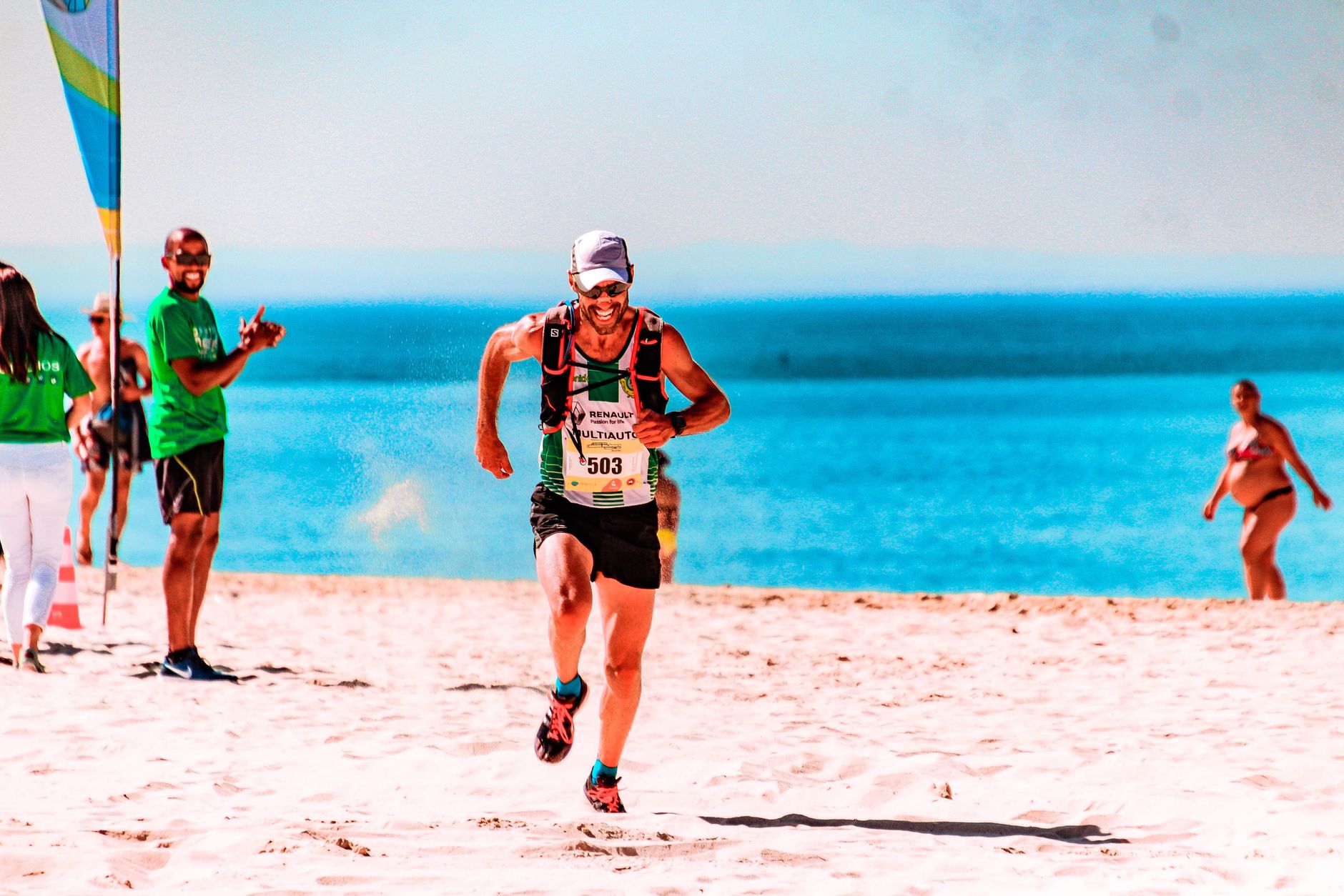
Top Vegan Protein Sources for Athletes: Fuel Your Performance
vegan protein sources for athletes

Top Vegan Protein Sources for Athletes: Fuel Your Performance

Unlock peak athletic potential with powerful plant-based proteins designed for muscle repair, energy, and sustained endurance.

Explore Vegan Power

Key Takeaways

  • ✓ Many plant-based proteins are complete, containing all nine essential amino acids.
  • ✓ Vegan diets can reduce inflammation and improve recovery times for athletes.
  • ✓ Protein intake for vegan athletes should be 1.6-2.2 grams per kg body weight daily.
  • ✓ Combining different plant proteins throughout the day ensures a full amino acid profile.

How It Works

1
Assess Your Protein Needs

Calculate your daily protein requirements based on your activity level, body weight, and specific athletic goals. This personalized approach ensures you consume enough for muscle repair and growth.

2
Diversify Your Plant Proteins

Incorporate a wide array of plant-based protein sources into your diet. This strategy helps you obtain all essential amino acids and a broad spectrum of micronutrients vital for athletic performance.

3
Strategize Meal Timing

Distribute your protein intake across multiple meals and snacks throughout the day, especially post-workout. This optimizes muscle protein synthesis and supports continuous recovery.

4
Supplement Smartly (If Needed)

Consider targeted vegan protein supplements if dietary intake alone is insufficient or for convenience. Always choose high-quality products that align with your dietary principles.

Understanding Vegan Protein for Athletic Performance

For athletes, protein is not merely a nutrient; it's the fundamental building block for muscle repair, growth, and overall recovery. When transitioning to or maintaining a vegan diet, a common misconception is that obtaining sufficient, high-quality protein becomes a challenge. However, this couldn't be further from the truth. The plant kingdom offers an incredible diversity of protein-rich foods that can easily meet and even exceed the demands of rigorous athletic training. The key lies in understanding which sources are most potent, how to combine them effectively, and recognizing the additional benefits a plant-based approach can bring to an athlete's regimen. Vegan protein sources often come packed with fiber, vitamins, minerals, and antioxidants, elements crucial for reducing inflammation, improving gut health, and enhancing recovery – aspects that can give plant-based athletes a significant edge. Unlike many animal proteins, plant proteins typically contain less saturated fat and no cholesterol, contributing to better cardiovascular health, which is a massive plus for endurance athletes. Moreover, the emphasis on whole, unprocessed foods in a well-planned vegan diet naturally leads to higher nutrient density. This means you're not just getting protein; you're getting a holistic package of performance-enhancing compounds. One of the primary concerns often raised is the 'completeness' of plant proteins. While some individual plant sources may be lower in one or two essential amino acids compared to animal proteins, the concept of 'protein combining' has been largely debunked as needing to happen within the same meal. As long as a variety of plant proteins are consumed throughout the day, the body efficiently pools amino acids to form complete proteins. For example, legumes are typically lower in methionine but higher in lysine, while grains are the opposite. Consuming both over the course of a day ensures all essential amino acids are supplied. Many plant sources, such as soy, quinoa, and hemp seeds, are naturally complete proteins on their own. Beyond muscle building, protein plays a vital role in enzyme production, hormone regulation, and immune function, all of which are critical for an athlete's health and ability to perform consistently. A robust immune system helps ward off illness, allowing for uninterrupted training. Adequate protein intake also supports satiety, helping athletes manage their weight and energy levels more effectively. Embracing the rich world of vegan protein sources means not just meeting your protein needs but elevating your entire nutritional profile to support peak athletic performance. It's about fueling your body with clean, powerful, and sustainable energy. For more on dietary essentials, check out our guide on essential nutrients for athletes.

Top Whole Food Vegan Protein Sources for Muscle & Recovery

When it comes to fueling an athlete's body, whole food plant-based options are unparalleled. They offer not only protein but also a spectrum of beneficial micronutrients, fiber, and complex carbohydrates crucial for sustained energy and recovery. Let's delve into some of the most potent whole food vegan protein sources that every athlete should consider integrating into their diet. **Legumes: The Powerhouses** Legumes, including lentils, chickpeas, black beans, kidney beans, and cannellini beans, are absolute staples for vegan athletes. They are incredibly versatile, affordable, and rich in protein and complex carbohydrates. For example, one cup of cooked lentils provides about 18 grams of protein and 16 grams of fiber, along with iron, folate, and manganese. Chickpeas are fantastic for hummus, roasted snacks, or added to curries, offering around 15 grams of protein per cup. Beans are perfect in chili, tacos, or salads. Their high fiber content aids digestion and promotes satiety, helping athletes manage their energy intake effectively. They are also excellent sources of branched-chain amino acids (BCAAs), which are crucial for muscle protein synthesis. **Tofu, Tempeh, and Edamame: Soy-Based Superstars** These soy-derived products are complete proteins, meaning they contain all nine essential amino acids. Tofu, made from condensed soy milk, is a chameleon in the kitchen, absorbing flavors wonderfully. A 3.5-ounce serving of firm tofu can provide 8-10 grams of protein. Tempeh, a fermented soy product, has a firmer texture and nutty flavor, offering an impressive 19 grams of protein per 3.5 ounces. Its fermentation process also enhances digestibility and introduces beneficial probiotics. Edamame, young soybeans, are excellent as a snack or added to stir-fries, with about 18 grams of protein per cup shelled. These soy products are also good sources of iron, calcium, and zinc, vital for athletic function. **Quinoa and Amaranth: Ancient Grains with Modern Power** While often categorized as grains, quinoa and amaranth stand out because they are both complete proteins. Quinoa, a South American seed, delivers about 8 grams of protein per cooked cup, along with a significant amount of fiber, magnesium, and iron. It's a fantastic alternative to rice or pasta. Amaranth, another ancient grain, offers a similar nutritional profile, with roughly 9 grams of protein per cooked cup. These grains provide sustained energy release, making them ideal for pre-workout meals or post-workout carbohydrate replenishment. **Nuts and Seeds: Nutrient-Dense Powerhouses** Almonds, walnuts, cashews, peanuts, chia seeds, flax seeds, hemp seeds, and pumpkin seeds are not just sources of healthy fats; they are also excellent protein providers. Hemp seeds, in particular, are a standout, offering approximately 9-10 grams of complete protein per three tablespoons, alongside omega-3 and omega-6 fatty acids in an optimal ratio, which are crucial for reducing inflammation. Chia seeds offer about 5 grams of protein per two tablespoons, plus a huge dose of fiber and omega-3s. Almonds and peanuts also provide substantial protein, around 6-7 grams per quarter cup. These can be easily incorporated into smoothies, oatmeal, salads, or consumed as snacks. **Nutritional Yeast: The Cheesy Secret Weapon** Often overlooked, nutritional yeast is a deactivated yeast product with a savory, cheesy flavor. It's a fantastic source of complete protein, with about 8 grams per two tablespoons, and is often fortified with B vitamins, including B12, which is essential for vegan athletes. It can be sprinkled on popcorn, pasta, salads, or used to make creamy sauces. Its versatility and nutrient density make it a valuable addition to any vegan athlete's pantry.

Optimizing Protein Intake: Timing, Supplements, and Meal Planning

Beyond knowing *what* to eat, *how* and *when* you consume your protein can significantly impact its effectiveness for athletic performance. Strategic protein intake is crucial for muscle protein synthesis (MPS), recovery, and maintaining a positive nitrogen balance. For vegan athletes, this often involves thoughtful meal planning and, for some, incorporating targeted supplementation. **Protein Timing: The Anabolic Window** While the concept of a strict 'anabolic window' immediately post-workout has been debated, it remains beneficial to consume protein within a few hours after intense exercise. This helps kickstart muscle repair and growth. Aim for 20-40 grams of protein in your post-workout meal or shake. Distributing protein intake throughout the day, rather than consuming it all in one or two large meals, has also been shown to maximize MPS. Try to include a protein source with every meal and snack, aiming for roughly 20-30 grams per eating occasion. This consistent supply of amino acids ensures your muscles always have the building blocks they need. **Vegan Protein Supplements: When and Why** While whole foods should always be the foundation of an athlete's diet, vegan protein supplements can be incredibly useful for convenience, meeting high protein targets, or when whole food options are not readily available. Common vegan protein powders include pea protein, rice protein, hemp protein, and blends. Pea protein is highly digestible and rich in BCAAs, making it an excellent choice for muscle recovery. Rice protein is hypoallergenic and also offers a good amino acid profile. Hemp protein provides fiber and healthy fats alongside protein. Blends often combine several sources to create a more complete amino acid profile. Look for supplements that are third-party tested for purity and contain minimal added sugars or artificial ingredients. Supplements can be particularly helpful post-workout when you need a quick, easily digestible protein source, or to boost the protein content of smoothies, oatmeal, or baked goods. For a deeper dive into optimizing your diet, explore our resources on advanced sports nutrition. **Smart Meal Planning for Vegan Athletes** Effective meal planning is the cornerstone of a successful vegan athletic diet. Start by calculating your daily protein needs (generally 1.6-2.2 grams per kg of body weight for active individuals). Then, plan your meals to hit these targets using a variety of whole food sources. For breakfast, consider tofu scrambles, oatmeal with hemp seeds and protein powder, or a high-protein smoothie. Lunch could be a large lentil soup, a chickpea salad sandwich, or a quinoa bowl with beans and vegetables. Dinner might feature tempeh stir-fry, black bean burgers, or a lentil shepherd's pie. Snacks are opportunities to add more protein – think roasted edamame, nuts, seeds, or a protein bar. Batch cooking legumes, grains, and tofu at the beginning of the week can save significant time and ensure you always have protein-rich ingredients on hand. Don't forget to include plenty of fruits, vegetables, and healthy fats to round out your nutrient intake and support overall health and performance.

Common Mistakes and Practical Tips for Vegan Athletes

Navigating a vegan diet as an athlete, while incredibly rewarding, can come with its unique set of challenges. Being aware of common pitfalls and equipping yourself with practical strategies can make all the difference in optimizing performance and avoiding nutrient deficiencies. **Common Mistakes to Avoid:** * **Underestimating Protein Needs:** Many new vegan athletes simply don't eat enough protein, assuming a general healthy diet is sufficient. Athletes have elevated needs, and failing to meet them can hinder recovery and muscle growth. * **Relying on Processed Vegan Foods:** While convenient, many vegan processed foods (e.g., mock meats, vegan cheeses) are high in sodium, unhealthy fats, and low in essential micronutrients. Prioritize whole, unprocessed foods. * **Neglecting Micronutrients:** Beyond protein, vital micronutrients like iron, B12, calcium, vitamin D, iodine, and zinc can sometimes be harder to obtain on a vegan diet if not planned carefully. Iron, for instance, is crucial for oxygen transport, and B12 is essential for energy production. * **Insufficient Calorie Intake:** Plant-based foods are often higher in fiber and lower in calorie density. Athletes need significant calories to fuel training, and not eating enough can lead to fatigue and poor performance. * **Lack of Variety:** Sticking to the same few protein sources can lead to missing out on a full spectrum of amino acids and other beneficial compounds. **Practical Tips for Success:** * **Prioritize Legumes and Soy Products:** Make lentils, beans, chickpeas, tofu, and tempeh staples in your diet. They are versatile, affordable, and packed with protein. * **Embrace Ancient Grains:** Incorporate quinoa, amaranth, and buckwheat for complete proteins and complex carbohydrates. * **Snack Smart:** Keep nuts, seeds, roasted chickpeas, or edamame on hand for quick protein boosts between meals. * **Fortified Foods & Supplements:** Ensure adequate intake of Vitamin B12 (usually through supplementation or fortified foods), Vitamin D (sun exposure/supplement), and consider an iron-rich diet (lentils, spinach, fortified cereals) with Vitamin C for absorption. A multivitamin can act as an insurance policy. * **Hydration is Key:** This isn't protein-specific, but often overlooked. Adequate hydration is crucial for nutrient transport, performance, and recovery. * **Experiment with Recipes:** Don't be afraid to try new vegan recipes. There's a vast culinary world of delicious and protein-rich plant-based meals waiting to be discovered. * **Consult a Professional:** For personalized advice, consider working with a registered dietitian specializing in plant-based nutrition or sports nutrition. They can help tailor a plan to your specific needs and goals. * **Listen to Your Body:** Pay attention to how different foods affect your energy levels, digestion, and recovery. Adjust your diet as needed to find what works best for you.

Comparison

FeatureLentils/BeansTofu/TempehHemp SeedsPea Protein Powder
Protein per 100g (cooked/serving)9g (lentils)19g (tempeh)30g (shelled)80g (powder)
Complete ProteinConditional✓ (good BCAA)
Fiber ContentHighModerateHighLow
Cost-EffectivenessVery HighHighModerateModerate
Versatility in CookingVery HighVery HighHighModerate
Key MicronutrientsIron, FolateIron, CalciumOmega-3, ZincIron, BCAAs

What Readers Say

"As an ultramarathon runner, finding reliable vegan protein sources was critical. This guide helped me diversify my diet with lentils, tempeh, and quinoa, and I've noticed a significant improvement in my recovery times and sustained energy during long runs."

Alex P. · Boulder, CO

"I used to worry about getting enough protein as a vegan weightlifter. After reading this, I've incorporated more soy products and pea protein powder. My strength gains haven't stalled, and I feel much lighter and less inflamed."

Maria S. · Austin, TX

"I recommend this resource to all my vegan athletes. One athlete, a competitive swimmer, increased her daily protein intake from 90g to 130g using these tips, resulting in improved muscle definition and faster race times within three months."

Coach Ben · Miami, FL

"This article provided a solid foundation for understanding vegan protein. While I still occasionally struggle with meal prep, the emphasis on diverse whole foods and smart snacking has made a noticeable difference in my athletic performance and overall well-being."

Jamie L. · Portland, OR

"As a cross-fit enthusiast, I needed to ensure I wasn't missing out on essential amino acids. The detailed breakdown of complete plant proteins like tempeh and hemp seeds, along with the timing advice, has been invaluable for optimizing my nutrition and workout results."

David K. · Chicago, IL

Frequently Asked Questions

What are the best complete vegan protein sources for athletes?

The best complete vegan protein sources include soy products like tofu, tempeh, and edamame, as well as quinoa and hemp seeds. These foods contain all nine essential amino acids required for muscle repair and growth, making them excellent choices for athletes.

Will a vegan diet hinder my muscle growth or athletic performance?

Absolutely not. A well-planned vegan diet, rich in diverse plant-based protein sources, can fully support and even enhance muscle growth and athletic performance. Many elite vegan athletes demonstrate that plant-based diets are highly effective for strength, endurance, and recovery, often providing anti-inflammatory benefits.

How can vegan athletes ensure they get enough protein daily?

Vegan athletes can ensure adequate protein intake by prioritizing protein-rich whole foods like legumes, soy products, nuts, seeds, and ancient grains in every meal. Spreading protein intake throughout the day and considering a high-quality vegan protein powder for convenience or to meet higher targets can also be very effective.

Are vegan protein supplements necessary for plant-based athletes?

Vegan protein supplements are not always necessary but can be a convenient and effective tool for athletes with high protein demands, busy schedules, or specific dietary restrictions. They offer a quick, concentrated source of protein, especially useful post-workout, but whole foods should always form the foundation of the diet.

How do vegan protein sources compare to animal proteins in terms of absorption and effectiveness?

While animal proteins are often considered 'gold standard' due to their complete amino acid profiles, many plant proteins, especially when varied or combined, offer comparable absorption and effectiveness. Plant proteins often come with added fiber and micronutrients, contributing to better gut health and reduced inflammation, which can be advantageous for athletes.

Who should consider increasing their intake of vegan protein sources?

Anyone looking to improve their athletic performance, support muscle recovery, or simply adopt a healthier, more sustainable diet can benefit from increasing their intake of vegan protein sources. This is especially true for athletes, individuals with active lifestyles, or those transitioning to a plant-based diet.

Are there any risks associated with a high-protein vegan diet for athletes?

When properly planned and diverse, a high-protein vegan diet is generally very safe for athletes. Potential risks are usually associated with poorly planned diets lacking essential micronutrients or excessive reliance on processed foods. Ensure adequate hydration and consult a professional if you have underlying health conditions.

What are the emerging trends in vegan protein for athletes?

Emerging trends in vegan protein for athletes include innovative protein sources like fava bean protein, mushroom protein, and algal protein. There's also a growing focus on sustainable sourcing, fermented plant proteins for enhanced digestibility, and personalized protein blends tailored to specific athletic needs and goals.

Empower your athletic journey with the incredible strength of plants. By strategically incorporating these diverse vegan protein sources, you can build muscle, accelerate recovery, and achieve peak performance without compromise. Start fueling your body the smart, sustainable way today.

Topics: vegan protein sources for athletesplant-based protein athletesmuscle growth veganvegan athlete dietcomplete plant protein
Leo List
Brampton weed
Adultwork