Smart meal prep ideas for weight loss: Your easy guide
July 28, 2026 14 min read 2,707 words
Transform your health and shed pounds with these simple, effective, and delicious meal prep strategies.
Start Prepping Now!
The Foundation of Effective Weight Loss Meal Prepping
 Photo: Spencer Stone / Pexels
Embarking on a weight loss journey often feels overwhelming, especially when it comes to consistently making healthy food choices. This is where the power of meal prepping for weight loss truly shines. It’s not just about cooking in advance; it's about strategic planning that transforms your approach to food, making healthy eating an effortless habit rather than a daily struggle. At its core, effective meal prepping revolves around three pillars: planning, portion control, and nutrient density.
First, planning is paramount. Before you even step into the kitchen, a well-thought-out meal plan can dictate your success. This involves selecting recipes that align with your dietary goals, are enjoyable to eat, and can be prepared efficiently in batches. Consider your caloric needs, macronutrient ratios (proteins, carbohydrates, and fats), and micronutrient intake. For weight loss, a caloric deficit is essential, but it must be achieved without sacrificing nutritional value. Focus on lean proteins, complex carbohydrates, and healthy fats. Think about meals that can be easily customized or repurposed to prevent palate fatigue – for instance, roasted chicken can be a main dish one day, then shredded into a salad or wrap the next. Utilize resources like
healthy recipe websites to find inspiration and ensure variety.
Next, portion control becomes second nature with meal prepping. One of the biggest pitfalls in weight loss is inadvertently overeating, even with healthy foods. By pre-portioning your meals into individual containers, you remove the guesswork and temptation. This visual cue helps train your mind to recognize appropriate serving sizes, fostering mindful eating. Investing in good quality, BPA-free containers with different compartments can be incredibly helpful for keeping components separate until ready to eat, maintaining texture and flavor. This also means you're less likely to graze or reach for unhealthy snacks when hunger strikes, as a perfectly portioned, nutritious meal is always within reach.
Finally, nutrient density is key. While calories matter for weight loss, the quality of those calories is equally, if not more, important. Meal prepping allows you to prioritize whole, unprocessed foods that are rich in vitamins, minerals, and fiber. Vegetables should form the bulk of your meals, providing volume and satiety with minimal calories. Lean proteins like chicken breast, turkey, fish, tofu, or legumes are crucial for muscle maintenance and promoting fullness. Complex carbohydrates such as quinoa, brown rice, sweet potatoes, and whole-grain pasta provide sustained energy. Healthy fats from avocados, nuts, seeds, and olive oil support hormone function and absorption of fat-soluble vitamins. By focusing on nutrient-dense ingredients, you'll not only lose weight but also improve your overall health and energy levels. The combination of these foundational elements makes meal prepping an indispensable tool for anyone serious about sustainable weight loss.
Delicious & Easy Meal Prep Ideas for Breakfast and Lunch
 Photo: Jenna Hamra / Pexels
Starting your day right and fueling your midday can significantly impact your weight loss journey. These meal prep ideas for breakfast and lunch are designed to be both delicious and incredibly easy, ensuring you stay on track without sacrificing flavor or spending hours in the kitchen. The goal is to provide balanced meals that keep you full, energized, and satisfied, preventing those mid-morning or afternoon cravings that often derail healthy eating habits.
For breakfast, overnight oats are a perennial favorite for a reason – they require zero cooking in the morning and offer endless customization. A basic recipe involves mixing rolled oats with milk (dairy or non-dairy), chia seeds for added fiber and omega-3s, and a touch of sweetener like maple syrup or stevia. From there, you can add protein powder for an extra boost, berries for antioxidants, sliced banana, nuts, or a dollop of Greek yogurt. Prepare 3-4 jars on Sunday night, and you have grab-and-go breakfasts for half the week. Another fantastic option is egg muffins or mini frittatas. Whisk eggs with chopped vegetables (spinach, bell peppers, onions), a sprinkle of cheese (optional), and bake in a muffin tin. These are excellent for protein and veggies, can be stored in the fridge for up to 4 days, and reheated quickly. For a high-protein, low-carb option, consider pre-cooked hard-boiled eggs paired with a piece of fruit and a handful of almonds – simple, effective, and portable.
Lunch often presents the biggest challenge for weight loss, especially when working outside the home. The temptation of quick, unhealthy options is high. That's why prepped lunches are a game-changer. Mason jar salads are not only visually appealing but also incredibly practical. Layer your dressing at the bottom, followed by hard vegetables (carrots, cucumbers), grains (quinoa, farro), protein (chicken, chickpeas, lentils), softer vegetables (tomatoes, bell peppers), and finally, leafy greens at the top. When ready to eat, simply shake and pour into a bowl. This method keeps the greens fresh and crisp, preventing sogginess.
Another versatile lunch idea is a grain bowl. Cook a batch of your favorite grain (quinoa, brown rice, couscous) and a protein source (baked chicken breast, roasted chickpeas, black beans). Then, roast a large tray of assorted vegetables like broccoli, sweet potatoes, and zucchini. Throughout the week, combine a portion of grain, protein, and vegetables, adding a healthy dressing like tahini or a lemon-herb vinaigrette. These bowls are infinitely adaptable and provide a balanced mix of macronutrients. For those who prefer a warmer lunch, a hearty lentil soup or chicken and vegetable stew can be made in a large batch and portioned out. These types of meals are comforting, filling, and packed with nutrients, making them perfect for cooler weather or anytime you need a substantial, healthy meal. The key to successful lunch prepping is variety and ensuring each meal is satisfying enough to prevent afternoon snack attacks.
Dinner Strategies and Snack Solutions for Sustainable Weight Loss
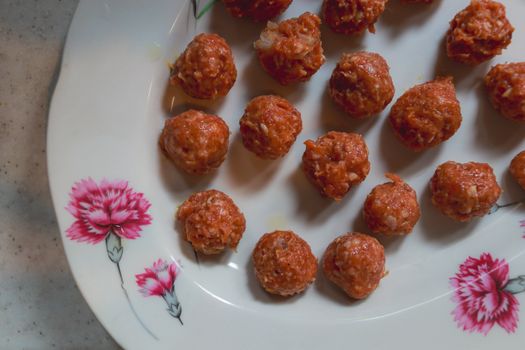 Photo: Golboo Maghooli / Pexels
Dinner, often the largest meal of the day, requires careful planning when aiming for weight loss. The goal is to create satisfying, nutrient-dense dinners that don't lead to overeating or late-night cravings. Equally important are strategic snack solutions that bridge the gap between meals without adding unnecessary calories. Integrating these elements into your meal prep routine will provide a comprehensive approach to sustainable weight management.
For dinner, sheet pan meals are a lifesaver for their simplicity and minimal cleanup. Choose a lean protein like chicken thighs, salmon fillets, or tofu, and toss with a variety of non-starchy vegetables such as broccoli, asparagus, bell peppers, and zucchini. Drizzle with olive oil, season with herbs and spices, and roast until cooked through. You can prepare several portions at once, storing them in airtight containers. These meals are balanced, flavorful, and incredibly easy to reheat. Another excellent dinner strategy is to batch cook components that can be assembled into different meals throughout the week. For example, prepare a large batch of ground turkey or lean ground beef. This can then be used for lettuce wraps, a healthy chili, or integrated into a whole-wheat pasta dish with plenty of vegetables. Similarly, cooking a large pot of quinoa or brown rice provides a versatile base for various dinner creations. Think about creating a 'build-your-own' dinner bar. Cook different proteins, grains, and roasted vegetables, then let family members assemble their plates, allowing for individual preferences while maintaining healthy choices. This also helps with
reducing food waste.
Snacks, while often overlooked, play a crucial role in preventing extreme hunger and maintaining steady blood sugar levels, which is vital for weight loss. However, many conventional snack options are high in sugar, unhealthy fats, and empty calories. Meal prepping extends to snacks by ensuring you have healthy, pre-portioned options readily available. This prevents impulsive unhealthy choices when hunger strikes. Good snack prep ideas include pre-chopped vegetables like carrots, celery, and bell peppers paired with hummus or a healthy dip. Individual servings of Greek yogurt with a few berries and a sprinkle of nuts provide protein and probiotics. Small containers of cottage cheese with sliced tomatoes or fruit are another excellent protein source. A handful of almonds or walnuts offers healthy fats and fiber. Even making your own healthy energy balls with oats, nut butter, and chia seeds can be a great option. The key is to have these ready-to-grab items in your fridge or pantry, making the healthy choice the easy choice. By planning out your dinners and proactively preparing healthy snacks, you create a robust framework for consistent, healthy eating that supports your weight loss goals without feeling restrictive.
Essential Tips and Common Mistakes in Meal Prepping for Weight Loss
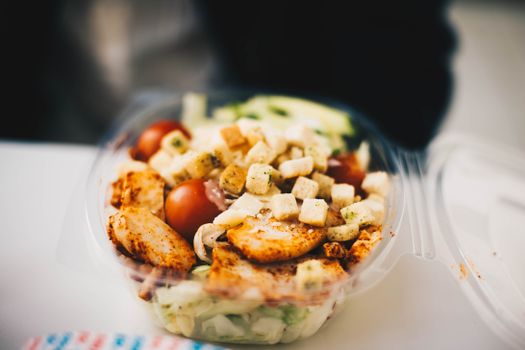 Photo: Kristina Paukshtite / Pexels
Successful meal prepping for weight loss isn't just about cooking; it's about smart strategies and avoiding common pitfalls. Here are essential tips to maximize your efforts and common mistakes to steer clear of.
**Essential Tips for Success:**
* **Start Small:** Don't try to prep every single meal for the entire week on your first try. Begin with just lunches, or maybe dinners for 3 days. Gradually increase as you get more comfortable.
* **Invest in Quality Containers:** Good airtight, BPA-free containers are crucial for food safety and freshness. Glass containers are excellent for reheating and durability.
* **Batch Cook Staples:** Cook large quantities of grains (quinoa, brown rice), roasted vegetables, and lean proteins. These versatile components can be mixed and matched into various meals throughout the week.
* **Season Generously (and Smartly):** Use a variety of herbs, spices, and low-sodium seasonings to keep flavors interesting without adding excess calories, sodium, or unhealthy fats. Lemon juice, vinegars, and fresh herbs are your best friends.
* **Focus on Variety:** Eating the same meal every day can lead to boredom and burnout. Rotate your recipes weekly or find ways to slightly alter a base meal (e.g., adding different sauces or toppings).
* **Plan for Leftovers:** Designate one or two meals a week as 'leftover' nights. This reduces cooking time and ensures nothing goes to waste.
* **Keep a Grocery List:** A detailed list based on your meal plan prevents impulse buys and ensures you have all necessary ingredients.
* **Prep Raw Ingredients:** Even if you're not cooking full meals, pre-chopping vegetables, washing greens, and portioning snacks saves time during busy weekdays.
**Common Mistakes to Avoid:**
* **Overcooking Vegetables:** Mushy vegetables are unappetizing. Cook them just until tender-crisp to maintain texture and nutrients.
* **Neglecting Food Safety:** Always cool hot food completely before sealing and refrigerating. Store meals in the fridge for no more than 3-4 days; freeze anything beyond that.
* **Lack of Variety:** As mentioned, monotony is a weight loss killer. If you find yourself dreading your next meal, it's time to switch things up.
* **Forgetting to Account for Snacks:** Unplanned snacking can sabotage your efforts. Prep healthy snacks just as diligently as your main meals.
* **Not Considering Your Lifestyle:** If you travel frequently or have irregular hours, adjust your prep schedule. Maybe prep individual components instead of full meals.
* **Relying on Processed 'Diet' Foods:** These often contain hidden sugars, unhealthy fats, and artificial ingredients. Stick to whole, unprocessed foods for best results.
* **Ignoring Portion Sizes:** Even healthy foods can lead to weight gain if consumed in excess. Always portion your meals carefully.
* **Trying to Do Too Much Too Soon:** This leads to overwhelm and burnout. Start slow, build confidence, and gradually expand your meal prepping efforts. Consistency beats intensity every time.