
How to Use Uhmegal Safely: Your Complete Guide
Uhmegal safe use

How to Use Uhmegal Safely: Your Complete Guide

Master the art of preparing, cooking, and storing Uhmegal to maximize its unique flavor and health advantages without compromise.

Start Your Safe Uhmegal Journey

Key Takeaways

  • ✓ Uhmegal is a nutrient-dense food with specific preparation requirements.
  • ✓ Proper cleaning and cooking are crucial to unlock its flavor and prevent issues.
  • ✓ Storage methods significantly impact Uhmegal's shelf life and safety.
  • ✓ Understanding potential interactions or allergies is vital for safe consumption.

How It Works

1
Source High-Quality Uhmegal

Begin by selecting fresh, firm Uhmegal from reputable suppliers. Visual inspection for freshness and absence of blemishes is key to starting safely.

2
Master Cleaning Techniques

Thoroughly wash Uhmegal under cold running water, removing any dirt or debris. Depending on the variety, additional steps like peeling or soaking may be necessary.

3
Implement Safe Cooking Methods

Cook Uhmegal to the appropriate internal temperature or until tender, ensuring any natural toxins are neutralized. Avoid undercooking to guarantee safety and palatability.

4
Practice Proper Storage

Store cooked and uncooked Uhmegal correctly to prevent spoilage and bacterial growth. Refrigeration or freezing in airtight containers extends its usability and maintains freshness.

Understanding Uhmegal: Its Nature and Nutritional Value
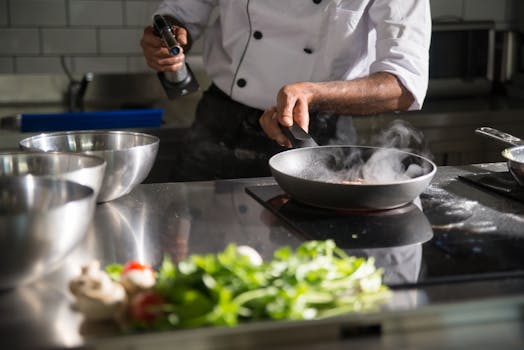
Chef prepares food in a sleek kitchen using a frying pan on an induction cooktop. Photo: Kampus Production / Pexels
Before delving into safe usage, it's paramount to truly understand what Uhmegal is. Uhmegal, a fascinating and increasingly popular food item, boasts a unique profile that sets it apart in the culinary world. Originating from specific regions, its cultivation and harvesting practices play a significant role in its quality and subsequent safety. Beyond its intriguing flavor, Uhmegal is a powerhouse of nutrients, offering a rich source of essential vitamins, minerals, and dietary fiber. For instance, it's often lauded for its high content of Vitamin K, crucial for blood clotting and bone health, and a notable amount of potassium, which supports heart function and blood pressure regulation. Furthermore, Uhmegal contains unique antioxidants that contribute to cellular protection and overall well-being, making it more than just a tasty addition to your plate; it's a functional food. However, like many natural foods, Uhmegal has specific characteristics that necessitate careful handling. Some varieties, if not prepared correctly, can contain naturally occurring compounds that, while not overtly harmful in small amounts, can cause digestive discomfort or reduce nutrient absorption if consumed in large, improperly processed quantities. This is where the 'safely' aspect of our guide becomes critical. Understanding these inherent qualities – both the beneficial and those requiring caution – is the first step toward incorporating Uhmegal into your diet with confidence. We'll explore how its fibrous structure contributes to digestive health but also demands adequate cooking to become easily digestible. We'll also touch upon the varying forms of Uhmegal available in the market, from fresh to dried or powdered, and how each form might present different considerations for safe use. For example, dried Uhmegal might require rehydration and a longer cooking time compared to its fresh counterpart. Recognizing these nuances allows you to tailor your approach, ensuring that you're not just consuming Uhmegal, but consuming it in a way that maximizes its health benefits while mitigating any potential risks. The goal is to demystify Uhmegal, empowering you to make informed decisions about its selection, preparation, and inclusion in your culinary repertoire. This foundational knowledge is key to navigating the subsequent steps of safe handling and preparation, transforming a potentially complex ingredient into a simple, healthy, and delicious one. For more information on general food safety practices, you might find this resource on basic food hygiene helpful. By starting with a deep appreciation for Uhmegal's composition, we lay the groundwork for its safe and enjoyable integration into your diet.

Essential Steps for Safe Uhmegal Preparation

The journey to safely enjoying Uhmegal begins long before it hits your plate, starting with meticulous preparation. This stage is arguably the most critical for neutralizing any potential concerns and enhancing its natural flavors. First and foremost, sourcing is key. Always opt for Uhmegal that appears fresh, vibrant, and free from any signs of spoilage, such as wilting, discoloration, or mold. If purchasing packaged Uhmegal, check the expiration date and ensure the packaging is intact. Once acquired, immediate and thorough cleaning is imperative. Rinse fresh Uhmegal under cold running water, gently rubbing its surface to remove any visible dirt, pesticides, or residues. For varieties with a tougher outer layer, a soft brush might be necessary. Some forms of Uhmegal benefit from a brief soak in a solution of water and a small amount of vinegar, which can help dislodge stubborn contaminants and even address certain microbial concerns, though this should be followed by another thorough rinse. Following cleaning, specific processing steps are often required. Depending on the type of Uhmegal, this could involve peeling, trimming fibrous ends, or deseeding. It's crucial to use clean utensils and cutting boards dedicated to fresh produce to avoid cross-contamination, especially if you're also handling raw meats or other potentially hazardous foods. Discard any parts of the Uhmegal that look damaged or compromised. The preparation stage also involves addressing any inherent compounds in Uhmegal that require heat treatment for safe consumption. For example, certain varieties contain mild antinutrients or compounds that can cause digestive upset if consumed raw or undercooked. Cooking methods like boiling, steaming, or sautéing for a sufficient duration are not just for taste; they are essential for breaking down these compounds, making the Uhmegal both safe and more bioavailable for nutrient absorption. Ensure that you are cooking Uhmegal to the recommended tenderness. Overcooking can diminish its nutritional value and texture, while undercooking can leave undesirable compounds intact. A good rule of thumb is to cook until it is easily pierced with a fork but still retains a slight bite. For specific Uhmegal varieties, precise cooking times and temperatures might be recommended, so always consult reputable culinary resources or product packaging. Finally, after preparation, if you're not cooking it immediately, store the cleaned and processed Uhmegal in an airtight container in the refrigerator to maintain its freshness and prevent bacterial growth. This diligent approach to preparation ensures that every bite of Uhmegal is not only delicious but also completely safe for consumption, allowing you to fully appreciate its unique qualities without worry. Remember, patience and precision at this stage pay dividends in both flavor and food safety.

Our partners at monkey-app.net offer related services.

Optimizing Uhmegal Storage for Extended Freshness and Safety

Proper storage is a cornerstone of safe Uhmegal usage, directly impacting its freshness, nutritional integrity, and preventing the growth of harmful bacteria. Whether you're storing raw, prepped, or cooked Uhmegal, understanding the optimal conditions is crucial for extending its shelf life and ensuring it remains safe for consumption. Let's break down the best practices for each stage. For fresh, uncooked Uhmegal, the storage method can vary slightly depending on its specific variety, but general principles apply. Most fresh Uhmegal thrives in cool, dark, and moderately humid environments. Often, the crisper drawer of your refrigerator is the ideal spot. Before storing, avoid washing it until just before use, as excess moisture can accelerate spoilage and the growth of mold. Instead, gently wipe off any visible dirt. You can wrap it loosely in a paper towel and then place it in a perforated plastic bag or an open container to allow for some air circulation while maintaining humidity. This method typically keeps fresh Uhmegal viable for several days to a week. Some hardier varieties might even last longer when stored in a cool pantry, similar to root vegetables, but always monitor for any signs of deterioration. Once Uhmegal has been cleaned, peeled, or chopped, its shelf life significantly decreases due to increased exposure to air and potential contaminants. If you've prepped Uhmegal for later use, store it in an airtight container in the refrigerator. Submerging some types of chopped Uhmegal in cold water (changing the water daily) can also help prevent browning and maintain freshness for a day or two. However, the best practice is to cook prepped Uhmegal as soon as possible. Freezing is an excellent option for longer-term storage. Before freezing, it's often beneficial to blanch Uhmegal – briefly immerse it in boiling water, then rapidly cool it in ice water. This process helps preserve its color, texture, and nutritional value by deactivating enzymes that cause spoilage. After blanching, pat it dry, spread it in a single layer on a baking sheet to flash freeze, then transfer the frozen pieces to a heavy-duty freezer bag or airtight container. Properly blanched and frozen Uhmegal can last for several months in a freezer at 0°F (-18°C). For cooked Uhmegal, immediate and proper refrigeration is paramount to prevent bacterial proliferation. Once cooked, allow Uhmegal to cool rapidly to room temperature (within two hours) before transferring it to shallow, airtight containers. This rapid cooling minimizes the time it spends in the 'danger zone' (40°F-140°F or 5°C-60°C), where bacteria multiply quickly. Store cooked Uhmegal in the refrigerator and consume it within 3-4 days. If you've prepared a large batch, consider freezing portions of cooked Uhmegal in individual servings. Thaw frozen cooked Uhmegal in the refrigerator overnight or using the defrost setting on a microwave, and reheat it thoroughly to an internal temperature of 165°F (74°C) before serving. Never refreeze previously frozen and thawed Uhmegal. Adhering to these storage guidelines ensures your Uhmegal remains delicious, nutritious, and, most importantly, safe to eat, reducing food waste and potential health risks. For additional insights into food preservation, explore resources like food preservation techniques.

Common Mistakes to Avoid When Handling Uhmegal

Even with the best intentions, several common errors can compromise the safety and enjoyment of Uhmegal. Being aware of these pitfalls is crucial for ensuring a consistently safe and delicious experience. One of the most frequent mistakes is inadequate cleaning. Rinsing Uhmegal briefly under the tap might seem sufficient, but it often isn't enough to remove all surface contaminants, including soil, dust, and potential pesticide residues. As discussed, a thorough wash, possibly with a gentle scrub or a vinegar soak, is essential. Related to this is not washing hands or using contaminated utensils and cutting boards. Cross-contamination from raw meat or unwashed produce can introduce harmful bacteria to your Uhmegal, negating all other safety efforts. Always practice good kitchen hygiene: wash hands frequently, use separate cutting boards for raw meats and produce, and sanitize surfaces. Another significant error is undercooking. Some varieties of Uhmegal contain compounds that require heat to be rendered harmless or more digestible. Consuming Uhmegal that is raw or insufficiently cooked can lead to digestive upset, nutrient malabsorption, or in rare cases, more severe reactions depending on the specific variety and individual sensitivities. Always ensure Uhmegal is cooked to the recommended tenderness and temperature. Conversely, overcooking, while generally safe, can diminish Uhmegal's nutritional value and lead to a mushy, unappetizing texture, making it less enjoyable. Improper storage is a common culprit for spoilage and foodborne illness. Leaving cooked Uhmegal at room temperature for extended periods (more than two hours) allows bacteria to multiply rapidly, making it unsafe to eat. Similarly, storing fresh Uhmegal in overly warm or humid conditions without proper ventilation can lead to mold growth and rapid deterioration. Not sealing stored Uhmegal properly also exposes it to air, leading to dehydration and faster spoilage. Here’s a quick list of common mistakes to avoid: * **Insufficient Washing:** Not thoroughly cleaning the surface of fresh Uhmegal. * **Cross-Contamination:** Using the same cutting boards or utensils for raw meats and Uhmegal without proper cleaning. * **Undercooking:** Failing to cook Uhmegal to the point where natural compounds are neutralized and it's easily digestible. * **Leaving at Room Temperature:** Allowing cooked Uhmegal to sit out for too long, enabling bacterial growth. * **Incorrect Refrigeration:** Storing fresh or cooked Uhmegal without proper airtight containers or at incorrect temperatures. * **Ignoring Spoilage Signs:** Attempting to salvage Uhmegal that shows clear signs of mold, unusual odors, or sliminess. * **Over-reliance on Raw Consumption:** Assuming all Uhmegal varieties are safe for raw consumption without verifying. By proactively avoiding these common mistakes, you can significantly enhance your experience with Uhmegal, ensuring it remains a safe, nutritious, and delightful addition to your diet.

Comparison

FeatureFresh UhmegalFrozen UhmegalDried UhmegalCanned Uhmegal
Nutritional RetentionExcellentVery Good (if blanched)GoodVariable (often lower)
Preparation TimeModerate (cleaning/chopping)Minimal (defrosting)Long (rehydration/cooking)Minimal (drain/heat)
Shelf LifeShort (days to 1 week)Long (months)Very Long (years)Long (years)
TextureFirm/CrispSlightly softerChewy/DenseSoft
ConvenienceModerateHighLow to ModerateVery High
Risk of Spoilage (if stored improperly)

What Readers Say

"This guide completely changed how I approach Uhmegal! I used to just rinse it quickly, but the detailed cleaning steps here made a huge difference in taste and my peace of mind. Highly recommend following these instructions for truly delicious Uhmegal."

Sarah P. · Austin, TX

"The storage tips for Uhmegal are a game-changer. My fresh Uhmegal now lasts so much longer, and the blanching technique for freezing is brilliant. No more wasted produce!"

David L. · Seattle, WA

"I was hesitant about cooking Uhmegal after a bad experience, but this article reassured me. Following the preparation and cooking guidelines, I made a fantastic Uhmegal stir-fry with no issues whatsoever. It was perfectly tender and flavorful."

Maria G. · Miami, FL

"Very comprehensive guide. While most of it was new to me, I found the section on common mistakes particularly helpful. It made me realize a few things I was doing wrong, though I wish there were more specific cooking times for different varieties."

Jason K. · Denver, CO

"As someone who's trying to incorporate more unique foods into my diet, learning how to use Uhmegal safely was essential. This article breaks it down into easy-to-follow steps, from sourcing to storage. My family loved the Uhmegal soup I made!"

Emily R. · Chicago, IL

Frequently Asked Questions

What are the absolute minimum steps to ensure Uhmegal is safe to eat?

The absolute minimum steps involve thoroughly washing fresh Uhmegal under cold running water to remove dirt and residues, ensuring it is cooked to the appropriate tenderness to neutralize any natural compounds, and storing it properly in the refrigerator if not consumed immediately. Never skip these fundamental safety measures.

I'm worried about potential toxins in Uhmegal. How can I be sure I'm preparing it correctly?

Your concern is valid, but easily addressed. The key is proper cooking. Many Uhmegal varieties contain compounds that are heat-sensitive. Cooking it thoroughly until it's tender and easily pierced with a fork is usually sufficient to neutralize these. Always refer to specific variety guidelines if available, but general thorough cooking is your best defense.

How do I properly clean fresh Uhmegal before cooking?

To properly clean fresh Uhmegal, rinse it under cold running water, gently rubbing the surface to remove any visible dirt or debris. For tougher surfaces or stubborn contaminants, you can use a soft vegetable brush. Some varieties may benefit from a brief soak in a water-vinegar solution, followed by another thorough rinse. Pat it dry before further preparation.

Is Uhmegal an expensive ingredient, and is the effort for safe preparation worth it?

The cost of Uhmegal can vary depending on its availability, seasonality, and form (fresh, frozen, dried). While it might sometimes be priced higher than common vegetables, its unique nutritional profile and flavor often justify the investment. The effort for safe preparation is absolutely worth it, as it unlocks its full health benefits and prevents potential digestive issues, ensuring you get the most value from this intriguing food.

How does safe Uhmegal preparation compare to handling other unique vegetables?

Safe Uhmegal preparation shares common principles with other unique vegetables, such as thorough washing and proper cooking. However, Uhmegal may have specific requirements regarding the neutralization of certain natural compounds through heat, similar to certain legumes or leafy greens. It often requires a bit more attention than, say, a carrot, but less specialized handling than some wild foraged foods.

Who should pay extra attention to how they use Uhmegal safely?

Individuals with sensitive digestive systems, those new to consuming Uhmegal, and anyone with known food allergies or intolerances should pay extra attention to safe usage. Pregnant women, young children, and the elderly should also exercise caution and ensure Uhmegal is always thoroughly cooked and properly stored to minimize any risks.

Are there any specific risks associated with Uhmegal if not handled safely?

If Uhmegal is not handled safely, the primary risks include digestive discomfort (such as bloating or upset stomach) due to undercooked natural compounds, and potential foodborne illnesses if it's not properly cleaned or stored, leading to bacterial growth. Allergic reactions, while rare, are also a possibility for sensitive individuals, regardless of preparation.

Will advances in food science make Uhmegal preparation easier in the future?

It's highly probable that advances in food science will make Uhmegal preparation easier and even safer in the future. We might see new cultivation methods that reduce natural compounds, pre-processed or ready-to-cook forms with enhanced safety features, or even smart packaging that indicates freshness and optimal cooking times. The trend is towards greater convenience without compromising safety.

Embrace the delicious and nutritious world of Uhmegal with confidence. By following these comprehensive safety guidelines, you can ensure every experience with Uhmegal is enjoyable, healthy, and worry-free. Start using Uhmegal safely today and elevate your culinary adventures!

Topics: Uhmegal safe useUhmegal preparationUhmegal storageUhmegal benefitsfood safety
Leo List
Brampton weed
Adultwork