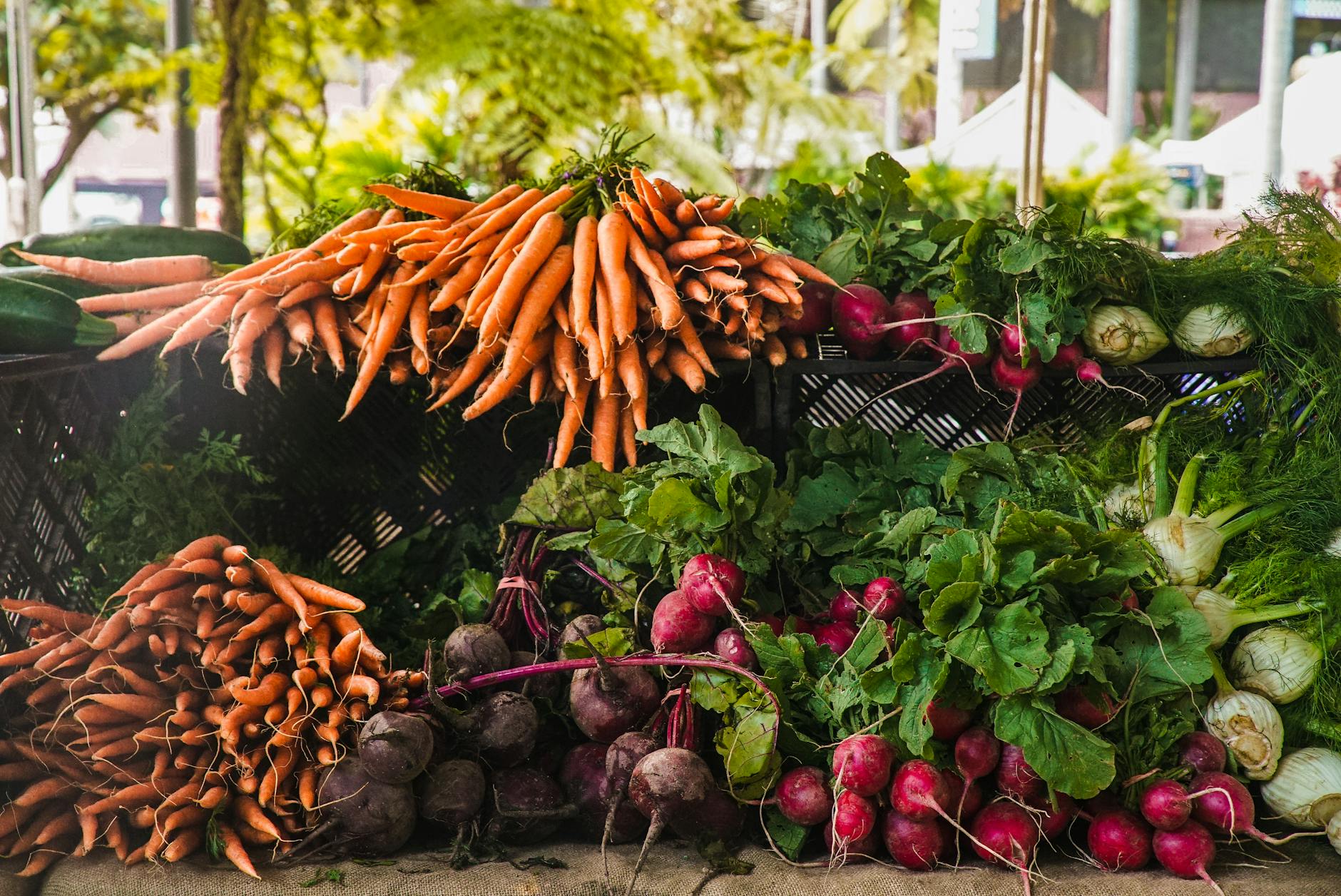
How to Store Fresh Produce Longer: Your Ultimate Guide

How to Store Fresh Produce Longer: Your Ultimate Guide

Master the art of produce preservation, keeping your groceries vibrant and delicious for weeks and significantly cutting down on food waste.

Start Saving Today

Key Takeaways

  • ✓ Proper storage can extend produce shelf life by days or even weeks.
  • ✓ Understanding ethylene gas is crucial for separating produce types.
  • ✓ Temperature, humidity, and airflow are key factors in preservation.
  • ✓ Washing produce before storage can sometimes accelerate spoilage.

How It Works

1
Identify Produce Type

Different fruits and vegetables have unique storage needs. Knowing if your produce is an ethylene producer or sensitive is the first step to proper storage.

2
Optimize Environment

Determine the ideal temperature (refrigerator, counter, cool pantry) and humidity level required for each item. This prevents premature ripening or wilting.

3
Employ Storage Techniques

Utilize appropriate methods like airtight containers, damp paper towels, or specific bags. This creates the perfect microclimate for extended freshness.

4
Regularly Check & Rotate

Periodically inspect your stored produce for any signs of spoilage and consume older items first. This proactive approach minimizes waste and ensures you enjoy everything at its peak.

Understanding the Science of Freshness: Why Produce Spoils

The quest to keep fresh produce longer is a universal challenge for home cooks and eco-conscious consumers alike. Before we dive into the 'how-to,' it's essential to grasp the fundamental 'why' behind spoilage. Understanding the science empowers you to make informed decisions, transforming you from a passive observer of wilting greens to an active participant in extending your food's lifespan. At its core, produce spoilage is a natural biological process, a continuation of the plant's life cycle even after harvest. This process is primarily driven by respiration, moisture loss, and the production of a natural plant hormone called ethylene gas. Respiration is the process by which plants convert stored sugars into energy, releasing carbon dioxide and heat. While necessary for life, post-harvest respiration continues, gradually depleting the produce's energy reserves and leading to deterioration. The rate of respiration varies significantly between different types of produce. For example, leafy greens and berries tend to have higher respiration rates, meaning they spoil faster than, say, root vegetables or apples. High temperatures accelerate respiration, which is why refrigeration is a cornerstone of produce preservation. By slowing down metabolic processes, cold temperatures put respiration into a lower gear, buying you precious extra days or weeks of freshness. Moisture loss, or transpiration, is another major culprit. Produce is largely composed of water, and once harvested, it constantly loses this water content through its skin. This loss leads to wilting, shriveling, and a general decline in crispness and texture. Think of a cucumber left out on the counter versus one stored in a humid crisper drawer – the difference is stark. Maintaining adequate humidity around your produce is critical to prevent this dehydration. This is where techniques like damp paper towels, sealed containers, or even just keeping produce in its original packaging can make a significant impact. Learn more about food preservation techniques. Finally, ethylene gas is a powerful, naturally occurring plant hormone that acts as a ripening agent. Some fruits and vegetables, known as 'climacteric' produce, produce significant amounts of ethylene as they ripen, and this ethylene, in turn, signals other nearby climacteric produce to ripen faster. Think of a single ripe apple speeding up the ripening of an entire bowl of bananas. Conversely, some produce is highly sensitive to ethylene gas, and exposure to it can cause premature spoilage, yellowing, or softening. Understanding which produce items are 'ethylene producers' and which are 'ethylene sensitive' is perhaps one of the most critical pieces of information for effective storage. Separating these two categories is a simple yet incredibly effective strategy to extend the life of your groceries. Improper mixing of these produce types is a common mistake that leads to unnecessary waste. By mastering these scientific principles, you're not just storing food; you're actively managing its biological processes to your advantage, ensuring that your vibrant produce stays that way for longer.

The Ethylene Effect: Separating Friends and Foes in Your Fridge

The concept of ethylene gas is a game-changer for anyone serious about how to store fresh produce longer. This invisible, odorless, and tasteless hormone is a natural part of the ripening process for many fruits and vegetables, but it can wreak havoc if not managed correctly. Ethylene producers are fruits and vegetables that release significant amounts of this gas as they ripen. These include popular items like apples, avocados, bananas (especially ripe ones), cantaloupe, kiwis, mangoes, peaches, pears, and tomatoes. When these items are stored near ethylene-sensitive produce, the gas they emit acts as a signal, telling the sensitive items to ripen and spoil much faster than they otherwise would. Imagine a single overripe apple in a fruit bowl accelerating the demise of everything else around it – that’s the ethylene effect in action. On the other side of the spectrum are ethylene-sensitive produce items. These don't produce much ethylene themselves, but they are highly susceptible to its effects. Exposure to ethylene gas can cause them to yellow, soften, sprout, or develop off-flavors prematurely. Common ethylene-sensitive items include asparagus, broccoli, cabbage, carrots, cucumbers, eggplant, leafy greens (lettuce, spinach, kale), limes, potatoes, and most herbs. Storing these items in close proximity to ethylene producers is a recipe for accelerated spoilage and unnecessary food waste. For example, storing bananas next to your crisp lettuce will likely result in yellowed, slimy greens much sooner than if they were stored separately. The same goes for keeping apples near potatoes, which can cause the potatoes to sprout more rapidly. The golden rule for managing the ethylene effect is simple: separate your ethylene producers from your ethylene-sensitive items. This often means storing them in different drawers, on different shelves in the refrigerator, or even in completely separate areas of your kitchen. For instance, you might keep your apples and bananas on the counter (if they need to ripen) or in one crisper drawer, while your delicate leafy greens and broccoli are stored in another, tightly sealed, or in their own dedicated space. Some highly sensitive items, like berries, should ideally be stored in their own contained environment to minimize any external influences. Beyond separation, understanding the ripening stage is also key. A green banana produces less ethylene than a ripe, spotted one. If you have ethylene-producing fruits that are not yet ripe, they might be safe to store near some less sensitive items for a short period. However, once they start to ripen, their ethylene production ramps up dramatically, making separation even more critical. By consciously segregating your produce based on its ethylene profile, you’re actively controlling one of the most significant factors in produce spoilage. This simple yet powerful strategy will significantly extend the life of your fruits and vegetables, ensuring you get to enjoy them at their peak freshness and minimize trips to the grocery store.

Temperature, Humidity, and Airflow: Crafting the Perfect Produce Environment

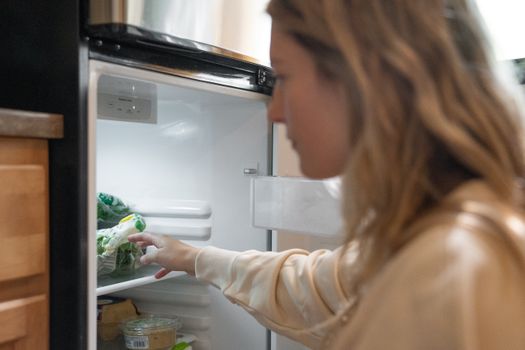
Beyond the ethylene dilemma, the triumvirate of temperature, humidity, and airflow are paramount in creating the optimal environment to keep fresh produce longer. Each of these elements plays a distinct role in slowing down spoilage and preserving the quality of your fruits and vegetables. Getting them right can mean the difference between vibrant, crisp produce and sad, wilted waste. Temperature is perhaps the most obvious factor. Most produce benefits from cooler temperatures, which slow down respiration rates and microbial growth. The refrigerator, typically set between 35-40°F (1.7-4.4°C), is ideal for the vast majority of fruits and vegetables. However, not everything belongs in the cold. Certain items, particularly those of tropical origin or those that are still ripening, can suffer 'chill injury' in the refrigerator. This can manifest as browning, softening, or a loss of flavor and texture. Examples include tomatoes (which become mealy), potatoes (which convert starch to sugar, affecting taste), onions, garlic, and most whole squash. These items prefer cooler, dark, and well-ventilated pantry conditions, ideally between 50-60°F (10-15°C). Bananas, for instance, will turn black quickly in the fridge, though their flesh might still be good; it's best to let them ripen on the counter and then move them to the fridge if you want to slow further ripening, accepting the skin discoloration. Understanding these temperature preferences is crucial for preventing premature degradation. Humidity is equally critical. As discussed, produce loses moisture constantly. High humidity environments help to minimize this water loss, keeping items plump and crisp. This is where your refrigerator's crisper drawers come into play. Many modern refrigerators have two crisper drawers, often labeled 'high humidity' and 'low humidity.' The high-humidity drawer is typically designed with a tighter seal or a vent that can be closed, trapping moisture inside. This is ideal for leafy greens, most vegetables (broccoli, carrots, cucumbers, bell peppers), and fruits like apples. The low-humidity drawer, with its vent open, allows more moisture to escape, which is beneficial for produce that rots easily in very damp conditions, such as fruits that produce a lot of ethylene or items that prefer a slightly drier environment, like citrus. If your fridge doesn't have adjustable crispers, you can mimic a high-humidity environment by storing produce in perforated plastic bags or containers with a damp paper towel. Discover more about optimal food storage solutions. Airflow, while often overlooked, also plays a significant role. Too much airflow can accelerate moisture loss, leading to dehydration. This is why simply leaving delicate greens unwrapped on a shelf is a bad idea. Conversely, completely airtight conditions can sometimes trap too much moisture, leading to condensation and promoting mold growth, especially if the produce isn't perfectly dry to begin with. The ideal is often a balance: enough airflow to prevent excessive moisture buildup without causing rapid dehydration. For many items, breathable bags (like those made of cotton mesh or specialized produce bags) or containers with slight ventilation are excellent choices. For items like onions and garlic, good airflow in a cool, dark pantry is essential to prevent sprouting and mold. By thoughtfully managing these environmental factors, you can create a tailored storage strategy for each item in your grocery haul, significantly extending its lifespan and ensuring you enjoy every bite.

Common Storage Mistakes and Advanced Preservation Hacks

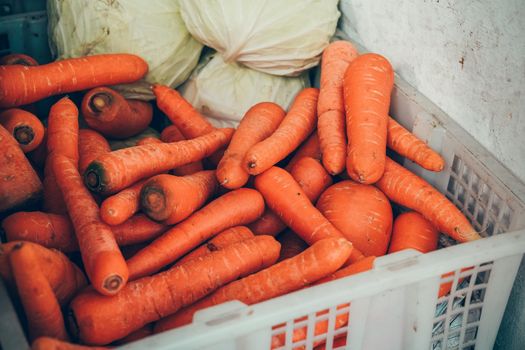
Even with a good understanding of produce science, it's easy to fall into common storage traps that shorten the life of your food. Avoiding these pitfalls and adopting a few advanced hacks can elevate your produce preservation game significantly. One of the most frequent mistakes is washing all produce immediately after purchase. While it seems hygienic, excess moisture trapped on the surface of fruits and vegetables can create an ideal breeding ground for bacteria and mold, accelerating spoilage. It's generally best to wash produce just before you're ready to use it. For items like berries, if you must wash them in advance, ensure they are thoroughly dried (using a salad spinner or paper towels) before storing them in a breathable container. Another common error is storing all fruits and vegetables together in one large bowl or drawer, ignoring the ethylene effect. As discussed, this cross-contamination of ripening gases can lead to rapid deterioration of sensitive items. Always separate your ethylene producers from your ethylene-sensitive produce. Additionally, many people store tomatoes in the refrigerator. While this does slow ripening, it also degrades their flavor and texture, turning them mealy and bland. Tomatoes are best stored at room temperature, stem-side down, away from direct sunlight, until fully ripe. Once ripe, they can be refrigerated for a day or two to extend their life, but for optimal taste, consume them quickly. Advanced preservation hacks can further extend your produce's longevity. For herbs, treat them like a bouquet of flowers: trim the stems, place them in a glass of water, cover loosely with a plastic bag, and refrigerate. This works wonders for parsley, cilantro, and basil (though basil often prefers room temperature). For asparagus, similarly, stand them upright in a glass with about an inch of water, then cover the tops with a plastic bag and refrigerate. Green onions and leeks can be stored in a similar fashion, or even rooted in a shallow glass of water on your windowsill to regrow. For leafy greens like lettuce, spinach, and kale, a simple trick is to wash them, dry them thoroughly, and then store them in an airtight container lined with a damp paper towel. The paper towel absorbs excess moisture while maintaining a humid environment, keeping the greens crisp for much longer. Change the paper towel if it becomes too wet. For root vegetables like carrots, radishes, and beets (after removing their greens), storing them submerged in water in an airtight container in the fridge can keep them crisp for weeks. Just be sure to change the water every few days. Lastly, for items like mushrooms, skip the plastic bag they often come in. Instead, store them in a paper bag in the fridge. The paper absorbs excess moisture, preventing sliminess while allowing for some air circulation. These small, targeted adjustments can make a significant difference in how long your fresh produce lasts, minimizing waste and maximizing your enjoyment.

Comparison

FeatureBest Option (Airtight Container with Damp Towel)Alternative 1 (Perforated Bag)Alternative 2 (Open Counter)
Moisture RetentionExcellentGoodPoor
Ethylene SeparationExcellent (if sealed)Good (if separated)Poor
VisibilityGood (clear containers)Good (clear bags)Excellent
Ease of UseModerateHighHigh
CostMedium-HighLowNone
Shelf Life Extension✓✓✓✓✓
Mold Prevention✓ (with dry produce)

What Our Readers Say

5 ★★★★★

"This guide on how to store fresh produce longer has been a revelation! My berries and leafy greens used to go bad so quickly, but now they last for weeks. I've saved so much money and reduced my food waste dramatically."

5 ★★★★★

"The ethylene separation tips alone were worth it. I never realized why my avocados would ripen so fast near my apples. Following these instructions has kept my vegetables crisp and my fruits perfectly ripe."

5 ★★★★★

"I used to throw away so much produce every week. After implementing the herb storage and damp paper towel tricks from this article, my cilantro and lettuce now stay fresh for over two weeks, which is incredible."

4 ★★★★☆

"While I found most of the advice incredibly helpful, some of the more advanced techniques require a bit of extra effort. Still, the core principles of temperature and ethylene management have significantly improved my produce's longevity, even if I don't follow every single hack."

5 ★★★★★

"As a busy mom, I rely on fresh ingredients. This guide has been a lifesaver, helping me prep meals in advance without worrying about my veggies wilting. My family is eating healthier, and I'm wasting less food, thanks to knowing how to store fresh produce longer."

Frequently Asked Questions

What's the single most important rule for how to store fresh produce longer?
The most crucial rule is understanding and managing ethylene gas. Separate ethylene-producing fruits (like apples, bananas, tomatoes) from ethylene-sensitive vegetables (like leafy greens, broccoli, cucumbers). This simple separation prevents premature ripening and spoilage for a wide range of produce items.
Is it better to wash produce before storing it?
Generally, no. Washing produce before storage introduces excess moisture, which can accelerate bacterial growth and mold. It's best to wash fruits and vegetables just before you're ready to consume them. If you must wash, ensure they are thoroughly dried before storing.
How do I store herbs like cilantro and parsley to make them last?
Treat fresh herbs like cut flowers. Trim the bottoms of the stems, place them upright in a glass with about an inch of water, then loosely cover the leaves with a plastic bag. Store this setup in the refrigerator. Change the water every couple of days for maximum freshness.
Do I need special containers to store produce effectively, or can I use what I have?
While specialized produce containers can be helpful, you can achieve excellent results with common kitchen items. Airtight containers, glass jars, reusable produce bags, and even just damp paper towels combined with plastic bags or existing crisper drawers can be highly effective when used correctly.
What produce should never go in the refrigerator?
Several items prefer room temperature or cool pantry conditions. These include whole tomatoes (they lose flavor and texture in the fridge), potatoes, onions, garlic, whole squash, and tropical fruits like bananas (until ripe) and avocados (until ripe). Refrigerating these can negatively impact their quality.
Who benefits most from learning how to store fresh produce longer?
Anyone who buys fresh fruits and vegetables can benefit! This includes home cooks, meal preppers, budget-conscious shoppers looking to reduce food waste, and environmentally conscious individuals aiming to make their groceries last longer and minimize their ecological footprint.
Are there any risks associated with improper produce storage?
Yes, improper storage can lead to accelerated spoilage, mold growth, and potential foodborne illnesses if consumed. It also results in significant food waste, impacting your budget and the environment. Following proper guidelines helps maintain food safety and quality.
What's the future trend in produce storage technology?
Future trends in produce storage are focusing on smart refrigeration with advanced humidity and ethylene control, specialized breathable packaging materials, and even home-based vacuum sealing systems designed specifically for produce. There's also growing interest in app-based inventory management to track and optimize consumption before spoilage.

By implementing these expert strategies on how to store fresh produce longer, you're not just preserving food; you're preserving flavor, nutrition, and your hard-earned money. Start transforming your kitchen into a hub of lasting freshness today and enjoy vibrant, delicious meals all week long.

Topics: how to store fresh produce longerfood preservation tipsreduce food wasteextend produce shelf lifefresh fruit storage
Leo List
Brampton weed
Adultwork