
Mastering How to Store Fresh Herbs Longer for Flavorful Meals
Keep your culinary creations vibrant and reduce food waste by learning the most effective ways to preserve fresh herbs.
Discover the SecretsKey Takeaways
- ✓ Proper storage can extend the life of fresh herbs by days or even weeks.
- ✓ Herbs broadly fall into two categories: tender (like basil) and woody (like rosemary).
- ✓ Moisture management is critical; too much or too little can spoil herbs quickly.
- ✓ Freezing and drying are excellent long-term storage solutions for many herbs.
How It Works
Before storing, identify if your herbs are tender (e.g., basil, cilantro, parsley) or woody (e.g., rosemary, thyme, sage). This determines the best storage method. Tender herbs typically prefer a 'bouquet' method, while woody herbs thrive in slightly drier conditions.
Gently wash herbs only if visibly dirty, and pat them thoroughly dry to remove excess moisture. Trim any discolored leaves or woody stems to ensure only the freshest parts are stored, preventing premature spoilage.
For tender herbs, place stems in water like flowers, covering loosely with a bag. Woody herbs often do well wrapped in a damp paper towel and then in plastic. Refrigeration is usually key for most fresh herbs.
Regularly check your stored herbs for signs of wilting or spoilage. Change water every few days for bouquet methods and replace damp paper towels as needed to maintain optimal freshness. This proactive approach maximizes their shelf life.
Understanding Herb Types: Tender vs. Woody for Optimal Freshness
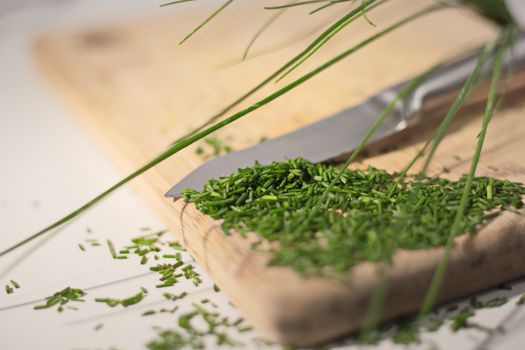 Photo: Damir Mijailovic / Pexels
Mastering the 'Bouquet Method' for Tender Herbs
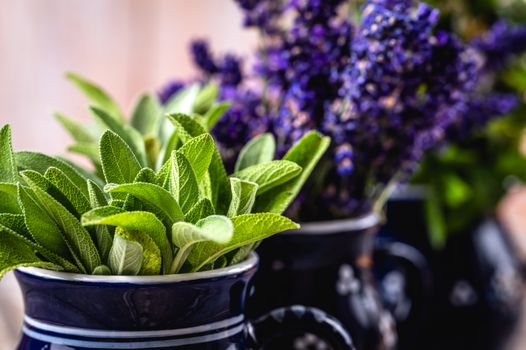 Photo: Jana Ohajdova / Pexels
Practical Storage Methods for Woody Herbs and Longer-Term Preservation
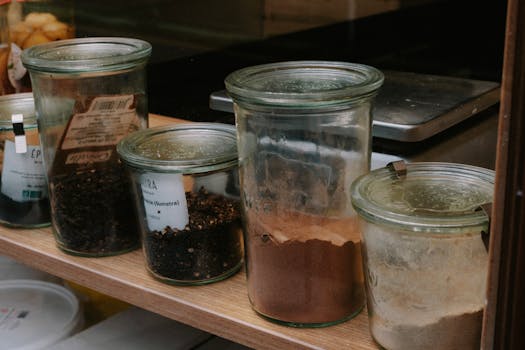 Photo: Mathias Reding / Pexels
Common Mistakes to Avoid and Expert Tips for Maximizing Herb Shelf Life
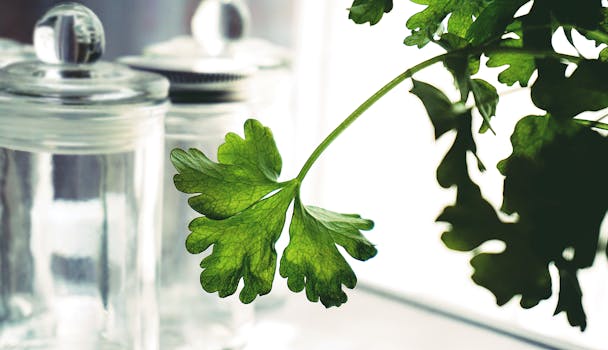 Photo: Suzy Hazelwood / Pexels
Comparison
| Feature | Tender Herbs (Bouquet) | Woody Herbs (Damp Towel) | Freezing (General) | Drying (General) |
|---|---|---|---|---|
| Typical Shelf Life | 1-2 weeks | 2-3 weeks | 3-6 months | 6-12 months |
| Best for | Basil, Cilantro, Parsley, Mint | Rosemary, Thyme, Sage, Oregano | Most herbs (chopped) | Woody herbs, Bay leaves |
| Requires Fridge | Yes (except Basil) | Yes | Yes | No |
| Retains Fresh Flavor | High | High | Medium-High | Medium |
| Prep Time | Low | Low | Medium | High |
| Space Required | Medium | Low | Medium | Medium |
What Readers Say
"I used to throw away so much cilantro and parsley. Following these tips on how to store fresh herbs longer, especially the bouquet method, has been a game-changer. My herbs now last for weeks!"
Sarah J. · Austin, TX"The distinction between tender and woody herbs was something I never considered. Now my rosemary and thyme stay fresh for ages using the damp paper towel method. This article is incredibly helpful."
Mark P. · Seattle, WA"My basil always turned black in the fridge. Learning to keep it on the counter with the bouquet method has saved so many bunches. I've significantly reduced my herb waste and my cooking tastes better."
Emily R. · Miami, FL"The long-term preservation methods for freezing herbs in olive oil are brilliant. While fresh is always best, having frozen portions ready for soups and stews is super convenient and effective."
David L. · Denver, CO"I appreciate the detailed explanation of why certain methods work for different herbs. It's not just 'do this,' but 'do this because...' which makes it much easier to remember and apply. Fantastic guide on how to store fresh herbs longer."
Jessica M. · Chicago, ILFrequently Asked Questions
What is the absolute best way to store fresh basil?
The best way to store fresh basil is using the 'bouquet method' at room temperature. Place the stems in a jar with about an inch of water, like a bouquet of flowers. Loosely cover the leaves with a plastic bag and keep it on your kitchen counter, away from direct sunlight. Do not refrigerate basil, as it is very sensitive to cold and will quickly turn black.
My herbs always get slimy in the fridge. What am I doing wrong?
Sliminess usually indicates too much moisture combined with lack of air circulation, encouraging bacterial growth. Ensure herbs are thoroughly dry before storing (especially woody ones in paper towels). For tender herbs in water, ensure only the stems are submerged and change the water every 1-2 days. Also, make sure plastic coverings are loose, not airtight.
How do I freeze fresh herbs for later use?
For most herbs, strip leaves from stems, chop them finely, and either flash freeze them on a baking sheet before transferring to a freezer bag or pack them into ice cube trays with a little olive oil or water. Once frozen, transfer the cubes to a freezer-safe bag. This method preserves flavor and makes them easy to use in cooking.
Are herb keepers worth the investment compared to DIY methods?
Herb keepers can be a worthwhile investment for frequent herb users, offering a convenient and optimized environment for tender herbs in the fridge. They often provide a better seal and water reservoir than makeshift solutions. However, well-executed DIY methods (like the bouquet method) can achieve similar results for a fraction of the cost, making them excellent alternatives.
How does storing herbs in water compare to wrapping them in a damp paper towel?
Storing in water (bouquet method) is ideal for tender herbs that need constant hydration, like parsley and cilantro. Wrapping in a damp paper towel is better for woody herbs (rosemary, thyme) that prefer less direct moisture but still need protection from drying out. The choice depends on the herb's specific moisture needs.
Who should prioritize learning how to store fresh herbs longer?
Anyone who cooks regularly with fresh herbs, aims to reduce food waste, or wants to enhance the flavor of their meals should prioritize learning these storage techniques. Home cooks, culinary students, and those focused on sustainable living will find these methods incredibly beneficial for maximizing ingredient freshness and value.
Is it safe to eat herbs that have started to wilt slightly?
Slightly wilted herbs are generally safe to eat, though their flavor and texture might be diminished. If herbs are slimy, moldy, discolored (beyond typical wilting), or have an off-smell, they should be discarded immediately to avoid foodborne illness. Always prioritize safety over saving a few leaves.
What new innovations are emerging for fresh herb preservation?
Innovations include advanced vacuum sealing systems designed specifically for delicate produce, smart refrigerators with humidity-controlled drawers, and specialized herb-growing appliances that allow you to harvest fresh herbs on demand, eliminating storage needs altogether. Research into edible coatings and natural antimicrobial wraps is also ongoing to extend shelf life.
By implementing these expert strategies, you're not just learning how to store fresh herbs longer; you're transforming your cooking and reducing food waste. Embrace these techniques to keep your kitchen stocked with vibrant, flavorful herbs, ensuring every dish you create is a masterpiece of freshness.