✓ Meal prepping saves an average of 5-10 hours per week.
✓ It can reduce food waste by up to 25%.
✓ Studies show meal preppers consume more fruits and vegetables.
✓ A typical family can save $50-$100 per week by meal prepping.
How It Works
1
Plan Your Meals
Decide what you want to eat for the week, considering your dietary needs and preferences. This forms the foundation of your grocery list.
2
Shop Smart
Create a detailed grocery list based on your meal plan and stick to it. This prevents impulse buys and ensures you have all necessary ingredients.
3
Prep Your Ingredients
Wash, chop, and cook components of your meals in advance. This can include grains, proteins, and vegetables, ready for assembly.
4
Assemble & Store
Portion out your prepared meals into airtight containers. Proper storage is crucial for maintaining freshness and food safety throughout the week.
Understanding the Benefits of Meal Planning for Beginners
Photo: Katya Wolf / Pexels
Embarking on the journey of meal prepping can seem daunting at first, but for beginners, understanding its profound benefits is the first step towards sustained success. It's not just about cooking in bulk; it's a strategic approach to managing your nutrition, time, and finances. One of the most immediate and tangible benefits is the significant time saving. Imagine coming home after a long day, tired and hungry, only to find a delicious, pre-made meal waiting for you. No more scrambling to figure out what to eat, no more lengthy cooking sessions every single night. By dedicating a few hours on a weekend, you can free up countless hours during the busy work week, allowing more time for hobbies, family, or simply relaxing. This efficiency is a game-changer for anyone with a demanding schedule.
Beyond time, meal prepping is a powerful tool for improving your health and dietary habits. When you plan your meals in advance, you're consciously making choices about what you consume. This proactive approach helps you avoid impulsive, unhealthy food decisions, such as ordering takeout or grabbing processed snacks when hunger strikes. You can meticulously control portion sizes, calorie intake, and the nutritional balance of your meals. For those looking to lose weight, gain muscle, or simply eat cleaner, meal prepping provides the structure and discipline needed to achieve those goals. It encourages the incorporation of more whole foods, fresh fruits, and vegetables into your diet, moving away from processed alternatives that often lack essential nutrients. You'll find yourself naturally gravitating towards healthier options because they are readily available and convenient.
Financially, meal prepping is a true money-saver. Eating out, even occasionally, can quickly add up. Daily lunches bought from cafes or frequent dinner deliveries can drain your budget without you even realizing it. When you buy groceries in bulk and cook at home, the cost per meal dramatically decreases. You become more aware of food prices and learn to shop smarter, taking advantage of sales and seasonal produce. Furthermore, meal prepping significantly reduces food waste. How many times have you thrown away forgotten produce or leftovers that went bad? By planning and utilizing all your ingredients, you minimize spoilage, which translates directly into saving money. For a deeper dive into smart grocery shopping, check out our guide on budget-friendly grocery shopping tips. The initial investment in containers and perhaps a few kitchen tools is quickly recouped through these substantial savings. It's an investment in your well-being and your wallet, making meal prepping an incredibly rewarding practice for any beginner.
Essential Tools and Setup for Your First Meal Prep Session
Photo: Julia M Cameron / Pexels
Before you dive headfirst into cooking, ensuring you have the right tools and a well-organized kitchen setup will make your first meal prep session smooth, efficient, and enjoyable. You don't need a professional chef's kitchen, but a few key items will be invaluable. First and foremost, quality food storage containers are non-negotiable. Look for airtight, microwave-safe, and freezer-safe containers, preferably glass or BPA-free plastic. Glass containers are excellent because they don't stain, retain odors, and can go straight from the fridge to the microwave or oven. Having a variety of sizes will be helpful for different meal components and portion sizes. Investing in a good set will serve you for years and is crucial for food safety and freshness.
Next, consider your basic cooking equipment. A few good quality knives – a chef's knife, a paring knife, and a serrated knife – will make chopping and slicing much easier and safer. A sturdy cutting board, preferably one that won't slip, is also essential. For cooking, you'll want a large pot for boiling grains or pasta, a couple of versatile sheet pans for roasting vegetables and proteins, and perhaps a large skillet or wok for stir-fries. An instant pot or slow cooker can also be a fantastic addition, allowing for hands-off cooking of stews, chilis, or large batches of shredded chicken, which are perfect for meal prep.
Organization is key to an efficient meal prep day. Before you start cooking, clear your countertops and ensure you have enough space to work. Lay out all your ingredients and tools. This 'mise en place' approach, where everything is in its place, will prevent you from scrambling mid-recipe. Think about your workflow: what needs to be chopped first? What can cook simultaneously? Having a designated area for chopping, another for cooking, and a third for assembling will streamline the process. Don't underestimate the power of a clean and organized workspace; it reduces stress and makes the entire experience more enjoyable. Remember, the goal is to make meal prepping a sustainable habit, and a well-equipped, organized kitchen is a significant step in that direction. Start with the basics and gradually add more specialized tools as you become more comfortable and identify your specific needs.
Crafting Your Weekly Meal Plan: Simple Strategies for Success
Photo: Katya Wolf / Pexels
The heart of successful meal prepping lies in a well-thought-out weekly meal plan. For beginners, this can feel like the most intimidating part, but by breaking it down into manageable steps, you'll find it's surprisingly straightforward and even enjoyable. Start by assessing your week ahead. Consider your schedule, any social engagements, and how many meals you genuinely need to prepare. Are you prepping just lunches, or breakfast, lunch, and dinner? Don't try to tackle too much at once; begin with 3-4 days of lunches and dinners, and gradually expand as you gain confidence. This realistic approach prevents burnout and makes the habit more sustainable.
Next, choose your recipes. For beginners, simplicity is paramount. Opt for recipes with fewer ingredients, straightforward instructions, and components that can be easily scaled up. Think about versatile ingredients that can be used in multiple dishes, like roasted chicken that can become part of a salad, a wrap, or a grain bowl. Focus on balanced meals that include a protein source (chicken, fish, tofu, beans), a complex carbohydrate (quinoa, brown rice, sweet potato), and plenty of vegetables. Websites like Pinterest, food blogs, and even YouTube offer a plethora of 'beginner meal prep' ideas. Don't be afraid to repeat meals, especially in the beginning, as this simplifies your grocery list and cooking process. For more inspiration, explore our collection of quick and healthy weeknight dinners.
Once you have your recipes, create a detailed grocery list. Go through each recipe ingredient by ingredient and add it to your list, noting quantities. Group similar items together (produce, dairy, pantry staples) to make your shopping trip more efficient. Before heading to the store, check your pantry and fridge to avoid buying duplicates. This step not only saves money but also ensures you don't forget crucial items, preventing last-minute runs to the store. Finally, schedule your prep time. Most beginners find that dedicating 2-3 hours on a Sunday works best. Treat it like an appointment you can't miss. Put on some music, get comfortable, and view it as an investment in your health and peace of mind for the week ahead. With practice, you'll develop your own rhythm and discover what planning strategies work best for your lifestyle.
Common Meal Prep Mistakes to Avoid and Expert Tips for Success
Photo: Pavel Danilyuk / Pexels
As you embark on your meal prepping journey, being aware of common pitfalls can save you frustration and help you build a sustainable habit. Avoiding these mistakes is just as important as knowing what to do. Here are some key errors to sidestep:
* **Over-prepping Too Soon:** A common mistake for beginners is trying to prep every single meal for the entire week. This can be overwhelming, lead to burnout, and result in food waste if you misjudge your appetite or schedule. Start small, perhaps with just lunches or a few dinners, and gradually increase your volume as you get comfortable.
* **Lack of Variety:** Eating the same exact meal five days in a row can quickly lead to meal prep fatigue. While simplicity is good, ensure some variety in your protein sources, vegetables, and flavor profiles. Batch cook components (like roasted chicken or quinoa) and then mix and match them with different sauces, spices, or fresh additions throughout the week.
* **Ignoring Food Safety:** Improper storage is a major concern. Always cool cooked food quickly before refrigerating (within 2 hours), use airtight containers, and understand the shelf life of different foods. Most prepped meals are good for 3-4 days in the fridge. If you're prepping for longer, utilize your freezer.
* **Not Seasoning Enough:** Bland food is a recipe for failure. Don't be shy with spices, herbs, and marinades. Taste as you go, and remember that flavors can mellow in the fridge. A little extra seasoning can make a big difference.
* **Forgetting Snacks:** Many beginners focus solely on main meals and then find themselves reaching for unhealthy snacks between meals. Plan for healthy snacks like fruit, nuts, yogurt, or pre-cut veggies to keep hunger at bay.
Now, for some expert tips to ensure your meal prep success:
* **Start with Your Favorites:** Begin by prepping meals you genuinely enjoy. This makes the process more appealing and increases the likelihood of sticking with it.
* **Invest in Good Containers:** As mentioned, quality containers are crucial. They keep food fresh, prevent leaks, and make reheating easier.
* **Batch Cook Staples:** Cook large quantities of versatile ingredients like rice, quinoa, roasted vegetables, or grilled chicken. These can be used as building blocks for various meals.
* **Prep Components, Not Just Full Meals:** Sometimes it's easier to chop all your veggies, cook your grains, and marinate your proteins, then assemble meals daily. This offers more flexibility.
* **Leverage Your Freezer:** Don't be afraid to freeze portions of meals or components. This is excellent for extending shelf life and having emergency meals on hand.
* **Clean As You Go:** Tidy up your kitchen as you cook. This prevents a daunting pile of dishes at the end and makes the whole experience less stressful.
* **Keep It Simple:** Especially in the beginning, don't attempt overly complicated recipes. Focus on whole, unprocessed foods and straightforward cooking methods.
* **Track Your Progress:** Notice how much time and money you're saving, and how much better you feel. This positive reinforcement will motivate you to continue.
Comparison
Feature
Glass Containers
Plastic Containers (BPA-free)
Silicone Bags
Durability
Excellent
Good
Good
Microwave Safe
✓
✓ (check label)
✓
Freezer Safe
✓
✓
✓
Stain/Odor Resistance
Excellent
Fair
Good
Cost
Higher
Lower
Medium
Eco-Friendly
Very Good
Moderate
Very Good
What Readers Say
★★★★★
"I used to dread cooking every night, but learning how to meal prep for beginners from this guide changed everything. My weeknights are so much calmer, and I'm eating so much healthier now. It's truly a game-changer!"
Sarah J. · Austin, TX
★★★★★
"As a busy professional, I thought meal prepping was too complicated. This article broke it down perfectly. I started with just lunches, and now I'm prepping dinners too. My grocery bill has gone down significantly!"
Mark T. · Chicago, IL
★★★★★
"Following these tips, I've lost 7 pounds in a month just by consistently eating my prepped meals. The portion control and healthy choices are automatic now. I feel more energetic and less stressed about food."
Jessica L. · Seattle, WA
★★★★★
"The initial investment in containers was a bit much, but it's paying off. I'm still working on variety, but the core principles of how to meal prep for beginners are solid. Definitely recommend for anyone looking to eat better."
David R. · Miami, FL
★★★★★
"I'm a college student, and meal prepping has saved me so much money and time. Instead of eating ramen, I have nutritious meals ready to go. It's surprisingly easy once you get the hang of it, thanks to this guide."
Emily K. · Denver, CO
Frequently Asked Questions
What are the absolute essentials for how to meal prep for beginners?
For beginners, the absolute essentials include airtight food storage containers (preferably glass), a good chef's knife, a sturdy cutting board, and a few basic cooking pots and pans. Start with simple recipes and focus on planning 3-4 days of meals to avoid feeling overwhelmed.
Is meal prepping really worth the time investment on weekends?
Absolutely! While it requires a few hours on a weekend, meal prepping saves significantly more time during the busy work week. It eliminates daily cooking decisions, reduces cleanup, and ensures you have healthy meals ready to eat, freeing up your evenings for other activities.
How do I keep my prepped meals from getting soggy or boring?
To prevent sogginess, store sauces and dressings separately, and keep wet ingredients like tomatoes or cucumbers separate until serving. For variety, batch cook versatile components (grains, proteins) and mix them with different spices, herbs, and fresh toppings throughout the week. Don't be afraid to experiment with new flavors!
How much money can I actually save by meal prepping?
The savings can be substantial. By cooking at home and buying groceries in bulk, you can often save $50-$100 or more per week compared to eating out frequently. This adds up to thousands of dollars annually, making meal prepping a very cost-effective strategy.
How does meal prepping compare to ordering meal kits?
Meal prepping is generally more cost-effective than meal kits, as you buy ingredients directly and control portions. Meal kits offer convenience by delivering pre-portioned ingredients and recipes, but they often come at a higher price point per meal. Meal prepping gives you more control over ingredients and customization.
Who should consider learning how to meal prep for beginners?
Anyone looking to save time, eat healthier, manage their budget better, or reduce stress around daily meal decisions should consider meal prepping. It's particularly beneficial for busy professionals, students, parents, and individuals with specific dietary goals.
What are the food safety concerns I should be aware of when meal prepping?
Key food safety concerns include cooling cooked food rapidly (within two hours) before refrigeration, using airtight containers, and consuming meals within 3-4 days when stored in the fridge. Always reheat food to the proper internal temperature and avoid cross-contamination between raw and cooked ingredients.
What are the future trends in meal prepping?
Future trends in meal prepping include increased focus on plant-based and sustainable options, more sophisticated freezing techniques for longer shelf life, and the integration of smart kitchen appliances to automate parts of the prep process. Personalization and dietary-specific meal prep services are also on the rise.
Ready to take control of your diet, save precious time, and reduce your weekly expenses? Start your meal prepping journey today with these beginner-friendly strategies and transform your relationship with food. Your future self will thank you!

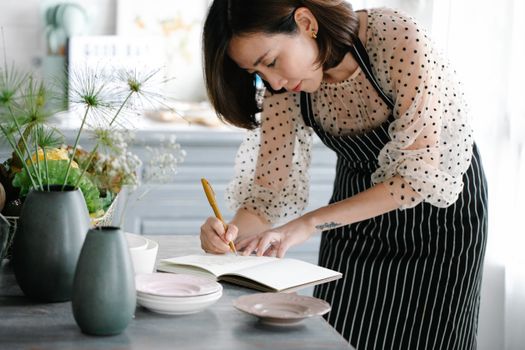 Photo: Katya Wolf / Pexels
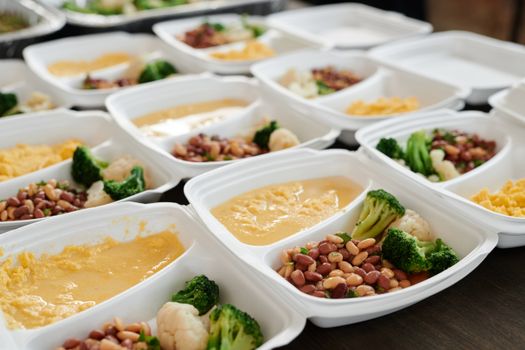 Photo: Julia M Cameron / Pexels
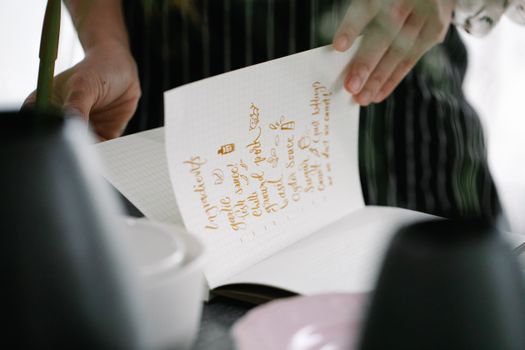 Photo: Katya Wolf / Pexels
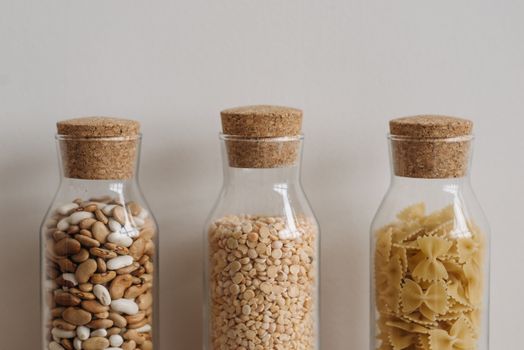 Photo: Pavel Danilyuk / Pexels