How to Make Sourdough Bread Starter: Your Ultimate Guide
August 20, 2026 16 min read 3,111 words
Embark on a rewarding culinary journey by creating your very own vibrant sourdough starter, the heart of artisanal bread.
Start Your Starter Now
Understanding the Magic: What is Sourdough Starter?
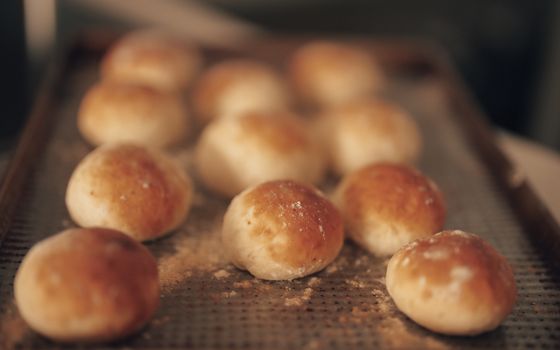 Photo: Guillermo Berlin / Pexels
Before we dive into the practical steps of how to make sourdough bread starter, let's demystify what it actually is. A sourdough starter isn't just a simple mix of flour and water; it's a living, breathing ecosystem, a symbiotic culture of wild yeasts and lactic acid bacteria (LAB) that are naturally present in flour and in the air around us. These microscopic organisms work together to ferment the sugars in the flour, producing carbon dioxide (which makes your bread rise) and a host of organic acids (which give sourdough its characteristic tangy flavor and superior keeping qualities). Unlike commercial yeast, which is a single, cultivated strain, a sourdough starter is a complex community, making each starter unique and imparting distinct flavors to the bread it produces. Think of it as your culinary pet, one that requires a little care and attention but rewards you with unparalleled deliciousness. The beauty of a homemade sourdough starter lies in its simplicity of ingredients – literally just flour and water – yet its profound impact on bread. It's a testament to ancient baking traditions, a method passed down through generations that predates the isolation and commercialization of yeast. This natural leavening agent not only makes bread rise but also pre-digests some of the complex carbohydrates in the flour, potentially making sourdough bread easier to digest for some people. Furthermore, the fermentation process can enhance the nutritional profile of the bread, increasing the bioavailability of certain vitamins and minerals. The journey of creating your own starter is a deeply satisfying one, connecting you to a timeless craft and empowering you to bake truly artisanal bread right in your own kitchen. It's an exercise in patience and observation, as you watch a simple mixture transform into a vibrant, active culture. The type of flour you choose for your starter can also influence its characteristics. While all-purpose flour works, many bakers prefer unbleached bread flour or even whole wheat flour for their initial starter, as these flours contain more natural nutrients and microbes that can kickstart the fermentation process more effectively. The water quality also plays a role; unchlorinated water is best, as chlorine can inhibit microbial growth. Understanding these fundamental aspects sets the stage for successfully cultivating your own robust and reliable sourdough starter. It’s not just about mixing ingredients; it’s about fostering life. This understanding is key to troubleshooting common issues and ensuring your starter thrives.
Learn more about the science of sourdough fermentation here.
Gathering Your Essentials: Ingredients and Equipment
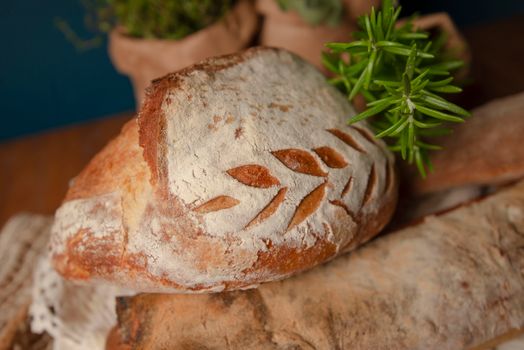 Photo: Natalia Olivera / Pexels
To embark on your journey of how to make sourdough bread starter, you'll be pleased to know that the list of required items is remarkably short and accessible. You don't need any fancy gadgets or exotic ingredients; simplicity is key. Let's break down what you'll need:
**Ingredients:**
* **Flour:** This is the primary food source for your starter. While you can use all-purpose flour, many experienced bakers recommend starting with unbleached bread flour or even whole wheat flour. Whole wheat flour, in particular, is rich in nutrients and wild yeasts, which can give your starter an excellent head start. The key is unbleached; bleached flours can contain chemicals that inhibit microbial growth. For ongoing feeding, a good quality unbleached all-purpose or bread flour is perfect. Consistency in flour type can also help maintain a stable starter.
* **Water:** This might seem trivial, but water quality matters. Tap water often contains chlorine or chloramines, which are disinfectants designed to kill microbes – precisely what you're trying to cultivate! It's best to use filtered water, bottled spring water, or simply leave tap water out in an open container overnight to allow the chlorine to dissipate. Avoid distilled water, as it lacks the minerals beneficial for yeast and bacteria.
**Equipment:**
* **Glass Jar or Container:** A wide-mouthed glass jar (like a quart-sized Mason jar) is ideal. Glass allows you to easily observe the activity of your starter, such as bubble formation and rise. The wide mouth makes it easy to stir and feed. Ensure it's clean and sterilized to prevent unwanted mold or bacteria from taking hold initially.
* **Loose-fitting Lid or Cloth Cover:** Your starter needs to breathe, but also needs protection from contaminants. A loose-fitting lid (like a Mason jar lid placed on top without screwing it down), a piece of cheesecloth, or a clean kitchen towel secured with a rubber band will work perfectly. This allows air exchange while keeping dust and pests out.
* **Digital Scale:** This is arguably the most important piece of equipment for consistent sourdough baking. Measuring by weight (grams) rather than volume (cups) is far more accurate and ensures you're providing the correct ratios of flour and water, which is crucial for a healthy starter. Precision in feeding leads to a predictable and strong starter.
* **Rubber Spatula or Spoon:** For mixing your starter. Avoid metal spoons if possible, as some believe prolonged contact with certain metals can react with the acids in the starter, though this is less of a concern with modern stainless steel.
* **Marker or Rubber Band:** To mark the initial level of your starter after feeding. This helps you visually track its rise and fall, indicating its activity levels. This simple tool provides invaluable feedback on your starter's health and readiness.
Having these items ready before you begin will streamline the process and set you up for success. Remember, the journey of how to make sourdough bread starter is as much about the process as it is about the delicious bread at the end. Taking care in selecting your ingredients and preparing your equipment lays a strong foundation for a vibrant, long-lasting starter.
The Day-by-Day Process: Cultivating Your Active Starter
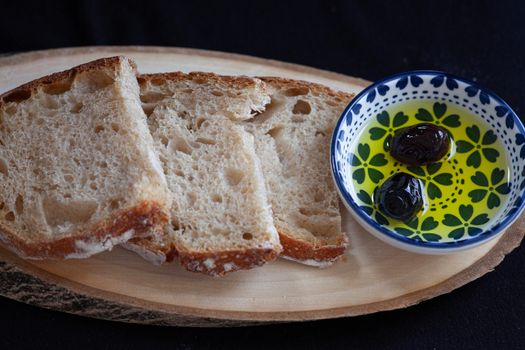 Photo: Lidya Kohen / Pexels
Now for the exciting part: the step-by-step guide on how to make sourdough bread starter. This process requires patience and observation, but the rewards are truly worth it. Remember, consistency in feeding and environment is key.
**Day 1: The Beginning**
* In your clean glass jar, combine 50 grams of unbleached flour (whole wheat or bread flour is excellent for kickstarting) and 50 grams of unchlorinated water. Mix thoroughly with your spatula until no dry flour remains and you have a thick, paste-like consistency. Scrape down the sides of the jar. This initial mixture is often called the 'levain' or 'seed culture'.
* Cover the jar loosely with a lid or cloth. Place it in a warm spot in your kitchen, ideally between 70-78°F (21-25°C). This temperature range is optimal for microbial activity. Mark the initial level with a rubber band or marker. Leave it undisturbed for 24 hours.
**Day 2: First Signs of Life (or not yet!)**
* After 24 hours, check your starter. You might see a few small bubbles, or it might look exactly the same. Both are normal. You might also notice a faint, sweet, or slightly yeasty smell. Don't be discouraged if there's no dramatic change yet.
* Discard all but 50 grams of your starter. This might feel wasteful, but discarding is crucial. It removes the accumulation of acidic byproducts and ensures there's enough fresh food for the thriving microbes. To the remaining 50 grams, add 50 grams of unbleached flour (you can switch to all-purpose or continue with bread flour) and 50 grams of unchlorinated water. Mix well, mark the new level, and cover loosely. Return to your warm spot.
**Day 3-5: The Active Phase and Potential 'Hooch'**
* Continue the daily feeding routine: discard all but 50 grams, then feed with 50g flour and 50g water. You should start to see more consistent activity. Bubbles will become more frequent, and the starter might start to rise noticeably after feeding, though it might not double yet. It might also fall back down before the next feeding.
* You might notice a liquid layer forming on top of your starter, often dark brown or black. This is called 'hooch,' and it's a sign that your starter is hungry. It's a byproduct of fermentation and indicates that the wild yeasts have consumed most of the available food. You can pour it off or stir it back in before feeding; stirring it in will result in a more sour flavor. If it's pink or orange, discard the entire starter and start over, as this indicates undesirable bacteria.
* The aroma will evolve from sweet to slightly sour, then increasingly tangy and yeasty. This is a good sign!
**Day 6-10: Maturation and Consistency**
* By now, your starter should be consistently active. After feeding, it should reliably double in size (or even triple) within 4-8 hours, then slowly fall back down. The smell should be pleasantly tangy, like yogurt or ripe fruit, with no strong off-odors.
* Continue the daily feeding schedule (50g starter, 50g flour, 50g water). Once your starter consistently doubles within 4-8 hours after feeding for at least 2-3 consecutive days, it is considered mature and ready for baking! It should also float when a small spoonful is dropped into a glass of water.
**Troubleshooting Tip:** If your starter seems sluggish, try increasing the ambient temperature slightly or using a small amount of whole wheat flour for a few feedings to boost activity. Don't give up! Patience is the most important ingredient when you learn how to make sourdough bread starter.
Explore advanced sourdough techniques once your starter is thriving.
Maintaining Your Sourdough Starter: Feeding and Storage
Photo: Lidya Kohen / Pexels
Once you've successfully learned how to make sourdough bread starter and it's robustly active, the next crucial step is understanding how to maintain its vitality. A healthy starter is a happy starter, and a happy starter makes fantastic bread. The key to maintenance lies in consistent feeding and appropriate storage, depending on how frequently you bake.
**Regular Feeding (for frequent bakers):**
If you plan to bake sourdough bread several times a week, keeping your starter at room temperature with daily feedings is the ideal approach. This ensures it's always active and ready to go. The standard feeding ratio is 1:1:1 (starter:flour:water by weight). For example, if you keep 50 grams of starter, you would feed it with 50 grams of flour and 50 grams of water. This ratio can be adjusted; a 1:2:2 ratio (e.g., 25g starter, 50g flour, 50g water) provides more food and can extend the time between feedings, which is useful if you're not baking daily but still want to keep it on the counter. Always feed your starter when it shows signs of hunger – typically when it has peaked and started to fall, or if hooch appears. A consistent feeding schedule helps maintain a stable microbial balance and predictable activity.
**Refrigeration (for infrequent bakers):**
For those who bake less often, perhaps once a week or every few weeks, refrigerating your starter is the most practical solution. Cold temperatures significantly slow down microbial activity, meaning your starter won't need to be fed as frequently. Before refrigerating, make sure your starter is well-fed and active. Let it sit at room temperature for an hour or two after feeding, then place it in the refrigerator. You can keep it in the fridge for 1-2 weeks without feeding. When you're ready to bake, take it out, let it come to room temperature, and feed it 1-2 times over 12-24 hours until it's bubbly and active again. This 'revival' process ensures it's strong enough to leaven your bread effectively. If you leave it in the fridge for longer than two weeks, you might need 2-3 feedings to get it back to full strength. Always discard a portion before feeding, even after refrigeration, to keep the culture vibrant.
**Drying for Long-Term Storage:**
If you need to take a long break from baking or want a backup, you can dry your sourdough starter. Spread a thin layer of active, recently fed starter onto parchment paper or a silicone mat. Let it air dry completely at room temperature for 1-3 days until it's brittle. Once dry, break it into flakes and store it in an airtight container in a cool, dark place. To revive, rehydrate a small amount with equal parts water, then begin regular feedings until active. This method is an excellent insurance policy for your beloved starter.
**Common Maintenance Mistakes to Avoid:**
* **Irregular Feeding:** Inconsistent feeding leads to an unhappy, sluggish starter.
* **Too Much Starter:** Not discarding enough means your starter quickly runs out of food, becoming overly acidic and weak.
* **Too Cold/Hot Environment:** Extreme temperatures can inhibit or kill off your microbes. Aim for a consistent, moderate temperature.
* **Using Bleached Flour:** Always opt for unbleached flour to support microbial health.
By understanding these feeding and storage strategies, you can ensure your sourdough starter remains a vibrant, reliable partner in your baking adventures for years to come. It’s a living legacy in your kitchen, ready to transform simple ingredients into extraordinary bread.