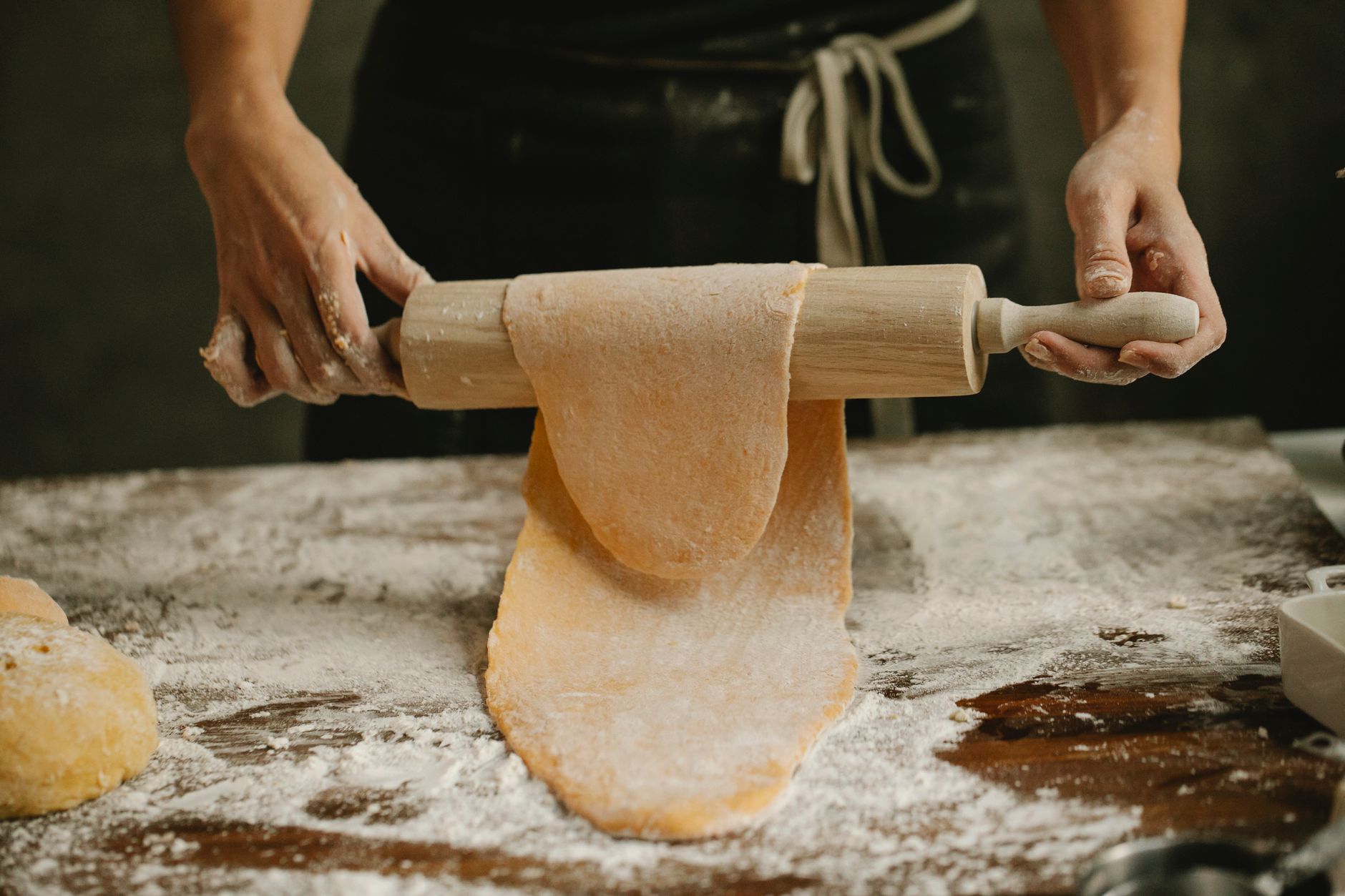
How to Make Homemade Pasta Dough: Your Ultimate Guide
homemade pasta dough

How to Make Homemade Pasta Dough: Your Ultimate Guide

Transform simple ingredients into exquisite, fresh pasta from scratch with our easy-to-follow instructions.

Start Rolling Today!

Key Takeaways

  • ✓ Only 2-4 basic ingredients are needed for most pasta doughs.
  • ✓ The ideal flour for egg pasta is '00' flour, though all-purpose works.
  • ✓ Resting the dough is crucial for gluten relaxation and easier rolling.
  • ✓ Humidity and flour type significantly impact dough consistency.

How It Works

1
Gather Your Ingredients

Start with high-quality flour (like '00' or semola), fresh eggs, and a pinch of salt. Accurate measurement is key for success.

2
Mix and Knead the Dough

Combine ingredients, then knead vigorously for 10-15 minutes until the dough is smooth and elastic. This develops the gluten structure.

3
Rest the Dough

Wrap the dough tightly and let it rest at room temperature for at least 30 minutes. This allows the gluten to relax, making it easier to roll.

4
Roll and Cut Your Pasta

Roll the rested dough thinly using a pasta machine or rolling pin, then cut into your desired pasta shapes. Cook immediately or dry for later.

Understanding the Fundamentals of Fresh Pasta Dough

Embarking on the journey of how to make homemade pasta dough is a rewarding culinary adventure that transforms simple ingredients into an extraordinary meal. At its core, fresh pasta dough is a marvel of simplicity, typically requiring just flour, eggs, and sometimes a touch of salt and water. Yet, within this simplicity lies a world of nuance, where the type of flour, the freshness of the eggs, and the technique of kneading can dramatically alter the final product. Understanding these fundamentals is the first step towards mastering the art of pasta making. The most common type of flour used for traditional egg pasta is '00' flour, an Italian finely milled soft wheat flour that produces a silky, tender texture. However, don't despair if '00' flour isn't readily available; good quality all-purpose flour can yield excellent results, albeit with a slightly chewier consistency. For a heartier, more rustic pasta, particularly popular in Southern Italy, semola rimacinata (remilled durum wheat semolina) is often used, either alone or in combination with '00' flour, yielding a pasta with more bite and a golden hue. The choice of flour isn't just about texture; it also influences the dough's ability to absorb liquid and its overall elasticity. Eggs are the lifeblood of many fresh pasta recipes, providing both moisture and richness, as well as contributing to the dough's structure and color. The protein in egg whites helps create a strong gluten network, while the yolks add flavor, tenderness, and that characteristic golden color. The size of the eggs matters, as it directly impacts the hydration level of your dough. Most recipes assume large eggs, so adjusting slightly if using smaller or larger eggs is a good practice. A general rule of thumb for a basic egg pasta dough is one large egg per 100 grams (approximately 1 cup) of flour, though this can vary. Salt is often added for flavor, enhancing the natural taste of the pasta itself, rather than relying solely on the sauce. Water, while not always present in egg pasta, is crucial for semolina-based doughs and can be added in small amounts to egg doughs if they feel too dry, helping to achieve the perfect consistency. The beauty of homemade pasta lies in its adaptability; once you grasp these basics, you can begin to experiment with different flours, egg-to-flour ratios, and even incorporate ingredients like spinach or beet puree for colored and flavored pasta. Remember, the goal is a dough that is firm but pliable, smooth, and elastic, ready to be transformed into your favorite shapes. Mastering these foundational elements will set you up for success, ensuring that every batch of pasta you make is a testament to fresh, authentic flavors. For more culinary insights, explore our guide on choosing the right olive oil for your dishes.

Step-by-Step Guide to Mixing and Kneading Your Pasta Dough

The process of mixing and kneading is where the magic truly begins in how to make homemade pasta dough. It’s a tactile experience, connecting you directly to the food you’re preparing. To start, create a well on a clean, spacious work surface with your mound of flour. This 'volcano' method is traditional and effective, preventing the liquid ingredients from spilling out. Crack your eggs into the center of the well, add a pinch of salt, and if your recipe calls for it, a tablespoon of olive oil. Using a fork, gently whisk the eggs, gradually incorporating small amounts of flour from the inner walls of the well. Continue this process, drawing more and more flour into the liquid, until the mixture becomes a thick, shaggy mass. Don't rush this stage; patience here prevents a sticky, unmanageable mess. Once the liquid is mostly absorbed, it's time to bring the dough together with your hands. Scrape any remaining flour and egg mixture from the work surface and begin to form a cohesive ball. This is where the kneading truly begins. Kneading is not just about mixing; it’s about developing the gluten, the protein network within the flour that gives pasta its characteristic chewiness and elasticity. Without proper kneading, your pasta will be brittle and difficult to roll. The technique involves pushing the dough away from you with the heel of your hand, folding it back over itself, rotating it a quarter turn, and repeating. This rhythmic motion stretches and aligns the gluten strands, transforming a rough, crumbly mass into a smooth, supple dough. Aim for 10-15 minutes of vigorous kneading. You'll notice the dough changing under your hands: it will become less sticky, more elastic, and visibly smoother. A good test for readiness is the 'windowpane test': tear a small piece of dough and try to stretch it thinly enough to see light through it without it tearing. If it stretches without breaking, your gluten is well-developed. If it breaks quickly, continue kneading for a few more minutes. The texture should feel firm but pliable, like a slightly firm rubber ball. It shouldn't stick to your hands or the work surface. If it's too sticky, add a tiny bit more flour; if it's too dry and crumbly, add a few drops of water, being careful not to over-hydrate. This stage is critical for the success of your pasta, so invest the time and effort. The result will be a dough that is a joy to work with, leading to perfectly textured pasta every time. Remember, practice makes perfect, and each batch will teach you more about the nuances of your ingredients and environment.

The Art of Resting, Rolling, and Cutting Fresh Pasta

After the intensive kneading, the dough needs a well-deserved rest. This often-overlooked step is paramount in how to make homemade pasta dough. Wrap the dough tightly in plastic wrap or place it in an airtight container to prevent it from drying out. Let it rest at room temperature for at least 30 minutes, though an hour is even better. This resting period allows the gluten network, which you so diligently developed during kneading, to relax. A relaxed dough is a cooperative dough – it will be significantly easier to roll thinly and evenly, without snapping back or tearing. Skipping this step often leads to frustration, as the dough will fight against your efforts to thin it out. Once rested, it's time for the exciting part: rolling. You have two primary options: a rolling pin or a pasta machine. If using a rolling pin, work on a lightly floured surface, rolling the dough from the center outwards, rotating it frequently to maintain an even thickness and shape. The goal is to get it as thin as possible, almost translucent, which can be quite a workout! For most pasta shapes, the dough should be thin enough that you can vaguely see your hand through it. If using a pasta machine, which is highly recommended for consistency and ease, divide your dough into manageable portions. Start at the widest setting and pass the dough through, folding it in thirds like a letter and passing it through again. Repeat this folding and passing several times at the widest setting; this further refines the gluten and makes the dough incredibly smooth. Then, gradually decrease the setting, passing the dough through each setting once or twice until you reach your desired thickness. The ideal thickness depends on the pasta shape you're making: very thin for delicate shapes like tagliatelle, slightly thicker for ravioli or lasagna. Finally, cutting the pasta. For long strands like tagliatelle or fettuccine, you can either use the cutting attachment on your pasta machine or manually cut the sheets. If cutting by hand, lightly flour the thin pasta sheet, fold it loosely into an accordian or roll it up, and then slice it with a sharp knife to your desired width. Unfurl the strands immediately and dust them lightly with semolina flour to prevent sticking. For filled pastas like ravioli or tortellini, you’ll use a knife or pastry wheel to cut shapes before filling and sealing. For shapes like orecchiette or cavatelli, specific techniques involving small pieces of dough and your thumb or a gnocchi board are employed. Regardless of the shape, work quickly to prevent the dough from drying out too much. If you're not cooking the pasta immediately, you can dry it on a pasta rack or lightly floured surface for a few hours, or freeze it for longer storage. For diverse culinary skills, consider exploring advanced knife skills to complement your pasta making.

Common Pitfalls and Pro Tips for Perfect Pasta Every Time

Even with a solid understanding of how to make homemade pasta dough, there are common pitfalls that can trip up even experienced home cooks. Being aware of these and knowing how to circumvent them can elevate your pasta-making game significantly. One of the most frequent issues is a dough that is either too sticky or too dry. A sticky dough usually means too much hydration or not enough kneading. Resist the urge to add excessive amounts of flour; instead, try kneading for a few more minutes to develop the gluten, which will absorb some of the excess moisture. If it's still too sticky, add flour by the teaspoon. Conversely, a dry, crumbly dough indicates insufficient hydration. Add water, a few drops at a time, and continue kneading until the dough comes together. Humidity in your kitchen can also play a role, so be prepared to make minor adjustments. Another common mistake is not resting the dough long enough. As discussed, skipping or shortening the resting period leads to a dough that is difficult to roll and will constantly spring back, making it frustrating to achieve the desired thinness. Patience is key here. Overworking the dough during rolling, especially with a machine, can also be a problem. If the dough starts to tear or become too elastic, let it rest for 10-15 minutes before continuing. This allows the gluten to relax and makes the dough more pliable. Here are some pro tips to ensure your homemade pasta is always a success: * **Use Room Temperature Eggs:** Eggs at room temperature incorporate more easily into the flour, leading to a smoother dough. * **Invest in a Pasta Machine:** While a rolling pin works, a hand-cranked pasta machine makes rolling thin, even sheets much easier and more consistent. * **Dust with Semolina:** When cutting and handling fresh pasta, dust it with fine semolina flour (semola rimacinata) instead of all-purpose flour. Semolina is coarser and prevents sticking without making the pasta gummy. * **Don't Overcook:** Fresh pasta cooks much faster than dried pasta, often in just 2-4 minutes. Taste frequently to achieve the perfect al dente texture. * **Cook in Plenty of Salted Water:** Use a large pot of aggressively salted boiling water. The salt seasons the pasta from within and prevents sticking. * **Experiment with Flavors:** Infuse your dough with puréed spinach, beet, or even squid ink for vibrant colors and subtle flavors. * **Proper Storage:** Fresh pasta can be cooked immediately, dried for a few hours at room temperature, or frozen. For freezing, shape the pasta, dust with semolina, and freeze on a baking sheet before transferring to an airtight bag. Do not thaw before cooking. By heeding these warnings and incorporating these tips, you'll be well on your way to consistently producing delicious, perfectly textured homemade pasta that will impress anyone lucky enough to taste it.

Comparison

FeatureTraditional Egg PastaSemolina & Water PastaAll-Purpose Flour Pasta
Primary Flour'00' FlourSemola RimacinataAll-Purpose Flour
Liquid/BinderWhole Eggs (or yolks)WaterEggs & Water
TextureSilky, Tender, ElasticChewy, Hearty, FirmSofter, Slightly Chewier
ColorGolden YellowPale Yellow/WhiteCreamy White/Pale Yellow
Best ForFettuccine, Ravioli, LasagnaOrecchiette, Cavatelli, TrofieEveryday shapes, general use
Gluten Development✓ (High)✓ (Moderate)✓ (Medium)

What Readers Say

"This guide completely demystified how to make homemade pasta dough. My first attempt was surprisingly successful, and the tagliatelle was so much better than store-bought. The kneading tips were especially helpful for getting that perfect texture."

Maria G. · Brooklyn, NY

"I've tried making pasta before with mixed results, but this article on how to make homemade pasta dough provided the missing pieces. The section on resting the dough made all the difference; my sheets rolled out so easily this time."

David L. · Austin, TX

"Following these instructions, I made the most incredible ravioli from scratch. The dough was supple and held together beautifully, yielding restaurant-quality pasta. My family was incredibly impressed and now requests it regularly!"

Sophia R. · Seattle, WA

"The details on different flour types for how to make homemade pasta dough were very informative. I used all-purpose flour and got good results, though I'll definitely try '00' flour next time for that extra silky finish. A really thorough guide."

Ethan P. · Chicago, IL

"As someone who loves baking, tackling pasta seemed like the next logical step. This guide on how to make homemade pasta dough broke down the process into easy, understandable steps, even for a beginner. The resulting pasta was incredibly fresh and flavorful."

Olivia K. · Denver, CO

Frequently Asked Questions

What is the best type of flour for homemade pasta dough?

For traditional, silky egg pasta, '00' flour (doppio zero) is often considered the best due to its fine grind and moderate protein content. However, semolina rimacinata (remilled durum wheat semolina) is excellent for chewier, rustic pasta, and good quality all-purpose flour can also yield delicious results, especially for beginners.

My pasta dough is too sticky/too dry. What should I do?

If your dough is too sticky, knead it for a few more minutes to further develop gluten and absorb moisture; if still sticky, add a tiny bit more flour. If it's too dry and crumbly, add water a few drops at a time while kneading until it forms a cohesive, pliable ball. Adjustments are common and depend on humidity and egg size.

How long should I knead homemade pasta dough?

You should knead homemade pasta dough vigorously for 10-15 minutes by hand, or 7-10 minutes in a stand mixer with a dough hook. The goal is to develop the gluten sufficiently, resulting in a smooth, elastic dough that passes the 'windowpane test' (stretching thinly without tearing).

Is making homemade pasta dough significantly cheaper than buying store-bought?

While the initial cost of ingredients (flour, eggs) is low, the 'cost' also includes your time and effort. For basic shapes, it's often comparable or slightly cheaper than premium store-bought fresh pasta, but significantly more cost-effective than specialty dried pasta, especially for unique shapes or flavored varieties. The real value lies in the superior taste and texture.

How does fresh pasta compare to dried pasta?

Fresh pasta, particularly egg-based, has a more tender, delicate texture and a richer flavor, often designed to be paired with lighter, cream- or butter-based sauces that cling to its surface. Dried pasta, typically made from semolina and water, has a firmer, chewier bite and stands up better to robust, heartier sauces like ragu or marinara. Both are delicious but serve different culinary purposes.

Who should try making homemade pasta dough?

Anyone who enjoys cooking, values fresh ingredients, and is looking for a rewarding culinary project should try making homemade pasta dough. It's particularly satisfying for those who appreciate the nuanced flavors and textures that only fresh pasta can offer, and it's a fantastic way to impress dinner guests.

Are there any health risks associated with homemade pasta dough?

Provided you use fresh, high-quality ingredients and practice good kitchen hygiene, there are no inherent health risks. The main concern is usually raw eggs if the dough is consumed uncooked, but pasta is always cooked. Ensure your eggs are fresh and handled safely. If drying pasta, ensure it's fully dry to prevent mold growth before storage.

What are the future trends in homemade pasta making?

Future trends include a greater emphasis on regional Italian pasta varieties, the incorporation of alternative flours (like ancient grains or gluten-free options), and increased experimentation with natural colorings and flavorings (e.g., vegetable purées, herbs). There's also a growing interest in artisanal pasta shapes and more accessible, compact pasta-making equipment for home use.

Ready to elevate your home cooking? Learning how to make homemade pasta dough is a culinary skill that will bring joy and deliciousness to your kitchen. Gather your ingredients, follow our expert guide, and prepare to savor the unparalleled taste of fresh, handmade pasta. Your taste buds will thank you!

Topics: homemade pasta doughfresh pasta recipepasta from scratchegg pasta doughdurum wheat pasta
Leo List
Brampton weed
Adultwork