Easy Gluten Free Baking Recipes Beginners Will Love
gluten free baking recipes beginners

Easy Gluten Free Baking Recipes Beginners Will Love

Transform your kitchen into a gluten-free haven with these straightforward, delicious recipes designed specifically for novices.

Start Baking Today!

Key Takeaways

  • ✓ Gluten-free baking doesn't have to be complicated or intimidating.
  • ✓ The right flour blend is crucial for successful gluten-free results.
  • ✓ Beginner-friendly recipes often focus on naturally gluten-free ingredients or simple substitutions.
  • ✓ Understanding basic gluten-free baking principles improves outcomes significantly.

How It Works

1
Understand Gluten-Free Flours

Gluten-free baking relies on a variety of alternative flours. Learn about common blends and their unique properties to choose the right one for your recipe.

2
Master Basic Recipes

Start with simple, forgiving recipes like cookies or muffins. These provide a great foundation and build confidence without overwhelming you with complex techniques.

3
Embrace Essential Substitutions

Discover how to replace gluten-containing ingredients effectively. This includes not just flour, but also binders like xanthan gum for structure and elasticity.

4
Practice and Experiment

Baking is a skill that improves with practice. Don't be afraid to try new recipes and adapt them to your taste, learning from every delicious (or not-so-delicious) attempt.

Demystifying Gluten-Free Flours for Beginners

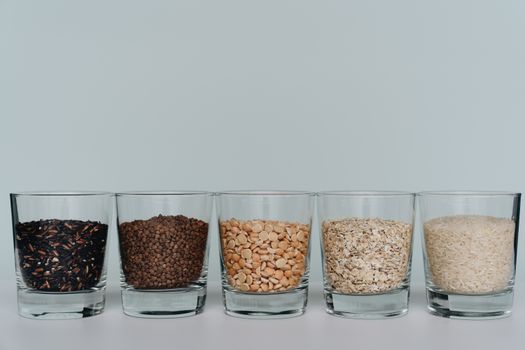
Flat lay of bowls containing seeds and grains on a neutral background, emphasizing natural textures. Photo: Vie Studio / Pexels
Embarking on the journey of gluten-free baking can feel like stepping into a new culinary world, especially when faced with the myriad of flour options. For beginners, the key is not to get overwhelmed but to understand the fundamental roles these flours play. Unlike wheat flour, which contains gluten (a protein network providing structure and elasticity), gluten-free flours lack this inherent binder. This means successful gluten-free baking often requires a blend of different flours, each contributing unique properties to mimic the texture and structure of traditional baked goods. Let's start with the most common and accessible option: pre-made gluten-free all-purpose flour blends. These blends are a godsend for beginners because they remove much of the guesswork. They typically combine a starchy flour (like tapioca starch or potato starch for chewiness and lightness) with a protein-rich flour (such as brown rice flour or sorghum flour for structure and flavor) and often include a binder like xanthan gum. When choosing a blend, look for one that specifies 'all-purpose' or 'cup-for-cup' as these are designed to be swapped directly for wheat flour in many recipes. However, be aware that not all blends are created equal. Some might be better for cookies, while others excel in cakes or breads. Experimentation is your friend here. Beyond the blends, understanding individual gluten-free flours can empower you to customize and troubleshoot. Brown rice flour is a common base, offering a mild, slightly nutty flavor and good structure, but can sometimes lead to a gritty texture if not finely milled. White rice flour is finer and lighter. Tapioca starch (also known as tapioca flour) is excellent for adding chewiness, crispness, and lightness, making it ideal for pie crusts and cookies. Potato starch provides a light, fluffy texture and helps absorb moisture. Almond flour, made from ground almonds, adds moisture, richness, and a delicate flavor, though it's lower in carbohydrates and higher in fat, so it can't always be directly substituted for grain flours. Coconut flour is highly absorbent and high in fiber, meaning you'll need much less of it and significantly more liquid in recipes. It imparts a distinct coconut flavor. Oat flour (ensure it's certified gluten-free to avoid cross-contamination) offers a wholesome, slightly chewy texture and nutty flavor. For beginners, a good strategy is to start with recipes specifically developed for a particular commercial gluten-free all-purpose blend. As you gain confidence, you can begin to explore recipes that call for specific flour combinations or even try creating your own blends. The most important takeaway is that gluten-free flours are not interchangeable 1:1 with wheat flour in most cases, and a thoughtful combination is usually required for optimal results. Don't be discouraged by initial failures; every bake is a learning opportunity. Familiarizing yourself with these flour characteristics is the first step toward mastering delicious gluten-free desserts and baked goods.

Essential Ingredients and Tools for Gluten-Free Baking Success

Close-up of baking ingredients including egg yolk, flour, and milk on a wooden surface. Photo: Victoria Emerson / Pexels
Beyond the diverse world of gluten-free flours, a few other essential ingredients and tools will set you up for success when diving into gluten-free baking. Understanding their roles is crucial for achieving the desired textures and flavors without gluten. First and foremost, binders are incredibly important. Since gluten-free flours lack the natural elasticity and structure provided by gluten, you often need to add a binding agent. Xanthan gum and guar gum are the two most common. Xanthan gum is derived from fermented sugar and acts as a thickener and stabilizer, mimicking the stickiness of gluten. A little goes a long way – too much can result in a gummy texture, while too little can lead to crumbly baked goods. Guar gum, derived from guar beans, serves a similar purpose but is often preferred for colder applications or dairy-free recipes. Some pre-made gluten-free flour blends already contain these gums, so always check your blend's ingredient list to avoid overdoing it. A general rule of thumb for recipes that don't specify is about 1/4 teaspoon of xanthan gum per cup of gluten-free flour for cookies and cakes, and up to 1/2 teaspoon for breads. Leavening agents are just as critical in gluten-free baking as they are in traditional baking. Baking soda and baking powder provide the lift and aeration needed for light, fluffy results. Ensure your baking powder is aluminum-free and fresh, as its potency diminishes over time. Eggs also play a multifaceted role, providing structure, moisture, and leavening. For those avoiding eggs, options like flax eggs (1 tablespoon ground flaxseed meal mixed with 3 tablespoons water, let sit for 5 minutes) or commercial egg replacers can often work, though results may vary depending on the recipe. Fats, such as butter, oil, or shortening, contribute moisture, tenderness, and flavor. In gluten-free baking, where dryness can be a common issue, adequate fat content is even more important. Similarly, liquids like milk, water, or buttermilk are vital for hydrating the flours and activating leavening agents. Gluten-free flours tend to absorb more liquid than wheat flour, so don't be surprised if gluten-free recipes call for slightly more liquid. As for tools, precision is paramount in gluten-free baking. A digital kitchen scale is highly recommended for accurately measuring flours and other dry ingredients. Volume measurements (cups) can be inconsistent, especially with varying densities of gluten-free flours, leading to unpredictable results. A good set of measuring spoons, mixing bowls, whisks, and spatulas are standard. Baking sheets, muffin tins, and cake pans are also essential, depending on what you plan to bake. Investing in quality parchment paper can prevent sticking and make cleanup easier. With these ingredients and tools in your arsenal, you're well-equipped to tackle a wide range of delicious gluten-free baking recipes for beginners, paving the way for consistent and enjoyable results.

Foolproof Gluten-Free Baking Recipes for Beginners
Enticing close-up of chocolate and vanilla cupcakes showcasing their texture and ingredients. Photo: Efrem Efre / Pexels
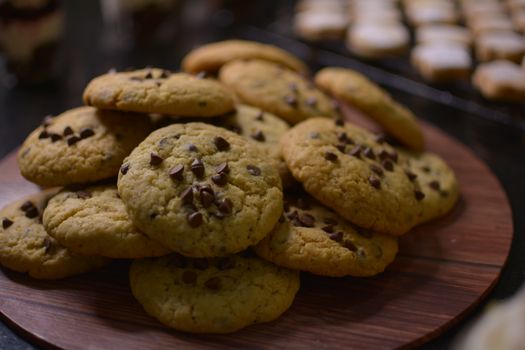
Now that you're familiar with gluten-free flours and essential ingredients, it's time to get baking! Starting with simple, forgiving recipes is the best way to build confidence and learn the nuances of gluten-free baking. These recipes are designed to be straightforward, requiring minimal special techniques, and yielding delicious results perfect for any beginner. **1. Classic Gluten-Free Chocolate Chip Cookies:** This is arguably the perfect starting point. Cookies are less dependent on gluten for structure than cakes or breads, making them more forgiving. Look for a recipe that uses a reliable cup-for-cup gluten-free flour blend. The key to soft, chewy gluten-free chocolate chip cookies often involves slightly chilling the dough before baking, which helps prevent spreading. Ingredients usually include softened butter, granulated and brown sugar, eggs, vanilla extract, gluten-free all-purpose flour blend (with xanthan gum), baking soda, salt, and plenty of chocolate chips. Mix the wet ingredients, then gradually add the dry. Scoop onto baking sheets and bake until golden brown. This simple process allows you to get a feel for gluten-free dough texture and how it bakes. You'll quickly discover that gluten-free cookies can be just as delicious, if not more so, than their traditional counterparts. **2. Easy Gluten-Free Muffins:** Muffins are another excellent choice for beginners due to their straightforward mixing method and relatively short baking time. They're versatile, allowing you to experiment with different fruits, nuts, or spices. A basic gluten-free muffin recipe typically calls for a gluten-free all-purpose flour blend, sugar, baking powder, salt, milk (dairy or non-dairy), oil or melted butter, and an egg. You can add blueberries, chocolate chips, or even a streusel topping for extra flair. The 'muffin method' involves mixing wet and dry ingredients separately, then combining them just until moistened – overmixing can lead to tough muffins, even in gluten-free baking. The result is a moist, tender crumb that proves gluten-free doesn't mean compromising on texture. This recipe type is fantastic for understanding how different liquid ratios affect the final product in gluten-free baking. **3. Simple Gluten-Free Brownies:** Who doesn't love a good brownie? Gluten-free brownies are often surprisingly easy to make and can be incredibly rich and fudgy. Many recipes use naturally gluten-free ingredients like cocoa powder, eggs, sugar, butter, and vanilla, with only a small amount of gluten-free flour blend for structure. Some recipes even use almond flour or a mix of almond and cocoa powder, eliminating the need for a complex blend. The trick to perfect brownies, gluten-free or not, is not to overbake them; they should still be slightly moist in the center when removed from the oven. This yields that coveted fudgy texture. This recipe is great for understanding the role of fats and sugars in creating a dense, moist baked good. These easy gluten-free recipes are designed to empower you, showing that delicious gluten-free baking is well within reach for every beginner. Enjoy the process and the delightful results!

Common Mistakes and Pro Tips for Gluten-Free Baking Beginners

Rows of golden bread rolls in metal trays, showcasing industrial baking setup. Photo: Jonathan Borba / Pexels
Even with the best intentions and recipes, beginners in gluten-free baking can encounter a few common pitfalls. Knowing these in advance and having a few pro tips up your sleeve can make all the difference in your baking journey. **Common Mistakes to Avoid:** * **Measuring by Volume (Cups) Instead of Weight (Grams):** This is perhaps the biggest mistake. Gluten-free flours vary significantly in density. A cup of almond flour weighs very differently from a cup of rice flour. Using a digital kitchen scale for dry ingredients ensures accuracy and consistency, which is crucial for predictable gluten-free results. * **Over-relying on a Single Gluten-Free Flour:** As discussed, gluten-free baking thrives on blends. Using only one type of gluten-free flour (e.g., just rice flour) often leads to dry, crumbly, or gritty textures. * **Omitting or Misusing Binders (Xanthan/Guar Gum):** Forgetting to add a binder when the recipe (or your flour blend) doesn't include it will result in baked goods that fall apart. Conversely, using too much can make your treats gummy or slimy. Follow recipe instructions carefully or use the general guidelines provided earlier. * **Overmixing the Dough/Batter:** While not as critical as with gluten-containing doughs, overmixing can still lead to tough or dense gluten-free baked goods, especially if eggs are heavily aerated. Mix just until ingredients are combined. * **Expecting Identical Results:** Gluten-free baked goods will have a slightly different texture and sometimes flavor profile than their gluten-containing counterparts. Embrace these differences rather than expecting an exact replica. **Pro Tips for Success:** * **Use Room Temperature Ingredients:** Especially for butter and eggs, room temperature ingredients emulsify better, creating a smoother batter and a more even crumb. * **Hydrate Your Flours:** Gluten-free flours absorb liquids differently and often need more time to fully hydrate. Letting your dough or batter rest for 10-15 minutes before baking can improve texture and prevent grittiness. * **Don't Skimp on Moisture:** Gluten-free baked goods can dry out quickly. Ingredients like extra fat (butter, oil), applesauce, mashed banana, or yogurt can add crucial moisture and tenderness. * **Lower Oven Temperature and Bake Longer:** Sometimes, baking gluten-free items at a slightly lower temperature for a bit longer can help them bake through without burning the outside, especially for thicker items like cakes and breads. * **Store Properly:** Many gluten-free baked goods are best stored in an airtight container at room temperature for a day or two, or in the freezer for longer freshness. They can dry out quickly if left exposed. * **Read the Recipe Thoroughly:** Before you even pull out your mixing bowls, read the entire recipe from start to finish. This helps you understand the process, gather all ingredients, and anticipate any specific gluten-free techniques. By being mindful of these common mistakes and incorporating these pro tips, your journey with gluten free baking recipes beginners will be much smoother and more rewarding, leading to consistently delicious results.

Comparison

FeatureGluten-Free All-Purpose Flour BlendAlmond FlourCoconut FlourBrown Rice Flour
Ease of Use (Beginner)Excellent (Cup-for-cup)Good (Requires recipe adjustment)Challenging (Highly absorbent)Moderate (Can be gritty)
Texture ContributionVersatile, mimics wheatMoist, dense, tenderDry, fibrous, crumblySlightly gritty, good structure
Flavor ProfileNeutral to slightly nuttyMild, nutty, richDistinct coconutMild, slightly nutty
Binder Needed (typically)✗ (Often included)✗ (Often less needed)✓ (Essential)✓ (Essential)
Common UsesCookies, cakes, muffins, breadCakes, cookies, macaronsMuffins, quick breads (small amounts)Cookies, bread, general baking

What Readers Say

"These gluten free baking recipes for beginners are a lifesaver! I finally made cookies that didn't crumble into a million pieces. The tips on flour blends were incredibly helpful and made so much sense."

Sarah J. · Austin, TX

"As someone new to GF baking, this guide was exactly what I needed. The muffin recipe was a huge hit with my family, and I feel confident trying more complex recipes now."

Mark T. · Seattle, WA

"I followed the chocolate chip cookie recipe and for the first time, my gluten-free cookies were perfectly chewy! The advice on using a scale changed my baking game completely. Thank you!"

Emily R. · Denver, CO

"Good starting point for GF baking, though I found some of the flour blend explanations a bit technical for a total beginner. Still, the practical recipes were excellent and easy to follow."

David L. · Miami, FL

"My son has celiac disease, and I was so intimidated by baking for him. This article made gluten free baking recipes for beginners approachable and fun. We now have delicious, safe treats!"

Jessica M. · Chicago, IL

Frequently Asked Questions

What is the best gluten-free flour for beginners?

For beginners, a high-quality, pre-made 'cup-for-cup' or 'all-purpose' gluten-free flour blend is generally the best starting point. These blends are formulated to mimic wheat flour as closely as possible and often include necessary binders like xanthan gum, simplifying the process significantly.

Will my gluten-free baked goods taste different?

Yes, gluten-free baked goods often have a slightly different taste and texture compared to their gluten-containing counterparts. While they can be equally delicious, expect variations in chewiness, crumb, and sometimes a subtle flavor from the alternative flours. Embrace these unique characteristics!

How do I prevent my gluten-free baked goods from being dry and crumbly?

To prevent dryness and crumbling, ensure you're using enough moisture (liquids, fats, eggs), consider adding binders like xanthan gum if your flour blend doesn't include it, and avoid over-baking. Letting the dough rest to hydrate flours can also help.

Is gluten-free baking more expensive?

Initially, gluten-free baking can be slightly more expensive due to the higher cost of specialty flours and ingredients. However, as you become more proficient and learn to buy in bulk or find sales, the cost can become more comparable. The health benefits often outweigh the slight price difference for those who need it.

Can I just substitute gluten-free flour 1:1 in any regular recipe?

While some 'cup-for-cup' gluten-free flour blends claim a 1:1 substitution, it's not always foolproof, especially for more complex recipes like yeast breads. For best results, use recipes specifically developed for gluten-free baking, or be prepared to make adjustments to liquids and binders if adapting traditional recipes.

Who benefits most from learning gluten free baking recipes for beginners?

Anyone with celiac disease, gluten sensitivity, or those who choose a gluten-free lifestyle will benefit immensely. It's also great for home bakers looking to expand their skills, cater to guests with dietary needs, or simply explore healthier baking alternatives.

Are there any health risks associated with gluten-free baking?

For individuals with celiac disease or gluten sensitivity, adhering to gluten-free baking is crucial for health. For others, there are no inherent health risks, but be mindful that some gluten-free products can be higher in sugar, fat, or refined starches. Focus on wholesome ingredients.

What's the next step after mastering beginner gluten-free recipes?

After mastering beginner recipes, you can start experimenting with different gluten-free flour blends, trying more complex recipes like yeast breads or layered cakes, and even developing your own gluten-free creations. The world of gluten-free baking is vast and rewarding!

Ready to transform your kitchen into a hub of delicious, gluten-free creations? Dive into these gluten free baking recipes beginners love and discover how simple and satisfying baking without gluten can be. Your journey to delightful, safe treats starts now!

Topics: gluten free baking recipes beginnerseasy gluten free dessertsgluten free flour blendsbeginner friendly gluten freegluten free baking tips
Leo List
Brampton weed
Adultwork EstrelaBet Vai de Bet R7 Bet Betão Galera Bet Rainbet Bet9ja Shop SportyBet BetKing Sisal Loto Foot Hollywoodbets YesPlay Odibets RushBet Jugabet BetWarrior BetCity MSport betPawa Fortebet