✓ Gluten-free baking doesn't have to be complicated or intimidating.
✓ Many traditional recipes can be easily adapted with the right flour blends.
✓ Focus on moisture and texture for successful gluten-free results.
✓ Experimentation is key to finding your favorite gluten-free treats.
How It Works
1
Gather Your Ingredients
Ensure you have all necessary gluten-free flours, binders, and other components. Accuracy in measuring is crucial for consistent results.
2
Understand Flour Blends
Learn about the different types of gluten-free flours and how they behave. A good all-purpose blend often simplifies the process.
3
Follow Recipes Precisely
Gluten-free baking is more scientific than traditional baking. Stick to the recipe instructions, especially regarding ratios and mixing techniques.
4
Don't Be Afraid to Experiment
Once you grasp the basics, feel free to tweak flavors and add-ins. Personalize your bakes to suit your taste preferences.
The Foundation: Understanding Gluten-Free Flours and Binders
Photo: Mike / Pexels
Embarking on the journey of gluten-free baking can feel like stepping into a new culinary world, especially when it comes to understanding the vast array of flours and binders available. Unlike traditional wheat flour, which contains gluten that provides structure and elasticity, gluten-free flours lack this inherent binding agent. This is precisely why a single gluten-free flour rarely works as a direct substitute for wheat flour in most recipes. Instead, successful gluten-free baking often relies on a thoughtful combination of different flours and the strategic use of binders.
Let's break down the primary categories. First, we have the 'protein' flours, such as almond flour, oat flour (ensure certified GF), and sometimes even chickpea or fava bean flour. These contribute flavor, protein, and often a denser texture. Almond flour, for instance, is fantastic for adding moisture and a rich, nutty flavor to cookies and cakes, but too much can make baked goods crumbly. Oat flour offers a chewier texture and a subtle sweetness, making it a great addition to muffins and quick breads. Remember, always check labels to ensure your oat flour is certified gluten-free, as oats are often cross-contaminated during processing.
Next, we have the 'starch' flours: tapioca starch, potato starch, cornstarch, and arrowroot powder. These are crucial for providing lightness, tenderness, and crispness. Tapioca starch, also known as tapioca flour, is particularly versatile, lending chewiness to cookies and helping to create a crispy crust. Potato starch contributes to a light, fluffy texture, while cornstarch is excellent for thickening and adding tenderness. Arrowroot powder functions similarly to tapioca and cornstarch, often used interchangeably for thickening and creating a delicate crumb.
Finally, and perhaps most critically, are the binders and gums. Since gluten is absent, something else needs to hold your baked goods together and prevent them from crumbling. Xanthan gum and guar gum are the most common choices. Xanthan gum, derived from a fermentation process, mimics gluten's elasticity, providing structure and preventing crumbling. Guar gum, made from guar beans, offers a similar binding effect, often used in conjunction with xanthan gum or as an alternative, particularly in cold applications. Psyllium husk powder is another excellent binder, especially for bread recipes, as it absorbs a lot of moisture and provides a 'stretch' that can be hard to achieve otherwise. Egg whites, flax eggs (ground flaxseed mixed with water), and chia seeds also serve as natural binders, adding moisture and structure. Understanding how to balance these components – protein flours for structure and flavor, starch flours for tenderness, and binders for cohesion – is the true secret to mastering easy gluten free baking recipes and achieving consistently delightful results. Discover more about gluten-free ingredients here to elevate your baking prowess.
Essential Tips for Seamless Gluten-Free Baking Success
Transitioning to gluten-free baking doesn't mean sacrificing flavor or texture; it simply means adopting a few key techniques and principles. Many common pitfalls can be avoided with a little forethought and precision, transforming potentially frustrating experiences into consistently successful ones. One of the most fundamental tips is to embrace accuracy. Unlike traditional baking where a little 'eyeballing' might pass, gluten-free flours and binders react differently, and their ratios are often more sensitive. Invest in a good kitchen scale for measuring flours and starches by weight rather than volume. This eliminates inconsistencies that can arise from different packing densities of various gluten-free flours, ensuring your measurements are always precise.
Another critical aspect is the role of moisture. Gluten-free flours tend to absorb more liquid than wheat flour, and they can also lead to drier baked goods if not properly hydrated. Many easy gluten free baking recipes compensate for this by including additional fats (like butter, oil, or coconut oil), extra eggs, or even ingredients like applesauce, yogurt, or pureed fruits and vegetables. Don't be alarmed if your gluten-free batter or dough seems wetter than its gluten-containing counterpart; this is often intentional to ensure a moist final product. Overmixing is another common mistake. While traditional baking often requires vigorous kneading or mixing to develop gluten, the opposite is true for gluten-free baking. Overmixing can lead to tough or crumbly textures because there's no gluten network to develop. Mix just until the ingredients are combined, and then stop.
Temperature control is also paramount. Gluten-free baked goods can brown faster than traditional ones due to different sugar and protein compositions in the alternative flours. Keep a close eye on your oven, and consider reducing the baking temperature slightly or covering your baked goods with foil if they start to brown too quickly. Furthermore, patience is a virtue in gluten-free baking. Allow your baked goods to cool completely before slicing or handling. Gluten-free items can be more fragile when warm, and cooling allows them to set properly and firm up, improving both texture and structural integrity. Finally, don't be afraid to read through a recipe entirely before you begin. Understanding the full process, ingredient list, and potential nuances will set you up for success and help you anticipate any specific requirements or steps unique to gluten-free baking. By following these essential tips, you'll find that crafting delicious gluten-free treats can be incredibly rewarding and surprisingly straightforward.
Delectable and Easy Gluten Free Baking Recipes to Try Today
Now that we've covered the foundational knowledge and essential tips, let's dive into some truly delectable and easy gluten free baking recipes that will satisfy your sweet tooth without the gluten. These recipes are designed for simplicity, using readily available ingredients and straightforward methods, making them perfect for both novice and experienced gluten-free bakers. Forget the days of dense, crumbly, or flavorless gluten-free treats; these options prove that deliciousness knows no bounds.
**Classic Chocolate Chip Cookies (Gluten-Free Version):** This is often the first recipe people want to master, and for good reason! A good gluten-free chocolate chip cookie should be chewy in the middle with slightly crispy edges, packed with melty chocolate. The key here is often a balanced gluten-free all-purpose flour blend that already contains xanthan gum, or adding a small amount of xanthan gum if your blend doesn't. Using both brown and white sugar contributes to chewiness and spread, while a touch of extra vanilla extract enhances the flavor. Don't overbake them; pull them out when the edges are set but the centers still look a little soft for that perfect chewy texture. Find more cookie recipes here.
**Simple Gluten-Free Brownies:** Who can resist a rich, fudgy brownie? Gluten-free brownies are surprisingly easy to make and often turn out incredibly moist and decadent. The high fat content from butter or oil, along with cocoa powder and eggs, naturally contributes to a dense, chewy texture that doesn't rely heavily on gluten for structure. Look for recipes that use a single gluten-free flour, such as almond flour or a basic gluten-free all-purpose blend, to keep things simple. Adding espresso powder can deepen the chocolate flavor without making the brownies taste like coffee.
**Quick Gluten-Free Banana Bread:** Banana bread is a quintessential comfort food, and making it gluten-free is a breeze. The mashed bananas provide ample moisture and natural sweetness, acting as a natural binder. This means you can often get away with a simpler gluten-free flour blend and less added gum. Overripe bananas are your best friend here, as they are sweeter and easier to mash. Feel free to add chocolate chips, walnuts, or pecans for extra texture and flavor. It's a forgiving recipe that's hard to mess up!
**Easy Gluten-Free Muffins (Blueberry or Chocolate Chip):** Muffins are another fantastic entry point into gluten-free baking. They're quick to mix up and bake, making them ideal for a last-minute breakfast or snack. The concept is similar to banana bread: wet ingredients mixed with dry ingredients, then gently folded together. Using buttermilk or yogurt can add tenderness and moisture. A good gluten-free all-purpose flour blend with a touch of baking powder and baking soda will ensure a light, fluffy crumb. These recipes prove that easy gluten free baking recipes are not only achievable but also incredibly rewarding, opening up a world of delicious possibilities.
Common Gluten-Free Baking Mistakes and How to Avoid Them
Even with the best intentions and the simplest recipes, gluten-free baking can present unique challenges. Understanding common mistakes and knowing how to sidestep them is crucial for consistent success and building confidence in your gluten-free kitchen. Here are some of the most frequent errors and practical solutions:
* **Mistake 1: Direct Substitution of Wheat Flour with a Single GF Flour.**
* **Why it happens:** It seems intuitive to swap one flour for another, but wheat flour's gluten provides structure that single gluten-free flours lack.
* **How to avoid:** Always use a tested gluten-free all-purpose flour blend (which combines several flours and starches) or follow recipes that specify a combination of individual flours and a binder like xanthan gum. Never swap cup-for-cup with almond, oat, or rice flour alone.
* **Mistake 2: Insufficient Moisture.**
* **Why it happens:** Gluten-free flours are often thirstier than wheat flour, leading to dry, crumbly baked goods.
* **How to avoid:** Don't be afraid of recipes that seem to have a higher liquid or fat content. Ingredients like extra eggs, applesauce, yogurt, buttermilk, pureed pumpkin, or additional oil/butter are often added to compensate for moisture absorption. Ensure your dough or batter feels adequately hydrated, even if it seems a bit wetter than traditional versions.
* **Mistake 3: Overmixing the Batter.**
* **Why it happens:** While gluten development is desired in traditional baking, overmixing gluten-free batters can lead to tough textures or cause the baked goods to crumble due to breaking down the delicate structure created by binders.
* **How to avoid:** Mix only until the ingredients are just combined. A few lumps in muffin or quick bread batter are perfectly fine. Gentle folding is key once dry and wet ingredients meet.
* **Mistake 4: Not Letting Baked Goods Cool Completely.**
* **Why it happens:** The excitement to taste warm baked goods is understandable, but gluten-free items are often more fragile when hot.
* **How to avoid:** Patience! Allow cakes, muffins, and breads to cool completely on a wire rack before slicing or removing them from pans. This allows the internal structure to set and firm up, preventing crumbling and improving overall texture.
* **Mistake 5: Incorrect Oven Temperature.**
* **Why it happens:** Many ovens run hot or cold, and gluten-free items can be sensitive to temperature variations, often browning faster or not cooking through properly.
* **How to avoid:** Use an oven thermometer to verify your oven's actual temperature. For gluten-free baking, sometimes a slightly lower temperature (e.g., 325°F instead of 350°F) and a longer baking time can yield better results, promoting even cooking without excessive browning. Always trust visual cues (golden brown, springy to the touch) and doneness tests (toothpick inserted comes out clean) over strict timing.
By being mindful of these common pitfalls, you can significantly increase your success rate with easy gluten free baking recipes and enjoy consistently delicious results.
Comparison
Feature
Best All-Purpose GF Flour
Almond Flour
Oat Flour
Tapioca Starch
Primary Use
Versatile baking
Cookies, cakes, dense items
Muffins, quick breads
Thickener, chewiness
Texture Contribution
Balanced, similar to wheat
Moist, dense, tender
Chewy, slightly sweet
Chewy, crispy crust
Binding Agent Needed
Often contains gum
Yes, for structure
Yes, for structure
Yes, always
Protein Content
Medium
High
Medium
Low
Cost (approx. per lb)
$5-$8
$8-$12
$4-$7
$3-$6
Ease of Use
✓
✗
✓
✗
What Readers Say
★★★★★
"These gluten free baking recipes are truly easy! I made the chocolate chip cookies and they were perfectly chewy, even my non-GF friends loved them."
Sarah J. · Austin, TX
★★★★★
"As a beginner to gluten-free baking, I found the tips on flour blends incredibly helpful. My first batch of banana bread turned out moist and delicious."
Mark D. · Seattle, WA
★★★★★
"Finally, gluten-free brownies that are actually fudgy! This guide completely changed my approach and now I have perfect results every time."
Emily R. · Denver, CO
★★★★★
"Great overview and the recipes are indeed simple. I had to adjust my oven temp slightly, but the advice on common mistakes helped me troubleshoot."
David L. · Chicago, IL
★★★★★
"I bake for my daughter who has celiac disease, and these easy gluten free baking recipes have brought so much joy back to our kitchen. Highly recommend!"
Jessica P. · Miami, FL
Frequently Asked Questions
What is the best all-purpose gluten-free flour blend for easy baking?
Many brands offer excellent all-purpose gluten-free flour blends, often containing a mix of rice flour, potato starch, tapioca starch, and xanthan gum. Brands like Bob's Red Mill 1-to-1 Baking Flour or King Arthur Gluten-Free Measure for Measure Flour are highly recommended for their consistent results and ease of use in most recipes.
Will my gluten-free baked goods taste different than regular ones?
With the right recipes and techniques, gluten-free baked goods can taste just as delicious, if not better, than their gluten-containing counterparts. While the texture might be slightly different (e.g., less chewy in some breads), the flavor can be equally rich and satisfying. Many people find gluten-free bakes to be surprisingly light and tender.
How do I make a flax egg for gluten-free baking?
To make a flax egg, combine 1 tablespoon of ground flaxseed meal with 3 tablespoons of water. Stir well and let it sit for 5-10 minutes until it thickens to a gel-like consistency. This mixture can then be used as a binder, replacing one egg in most recipes, particularly in vegan or egg-free gluten-free baking.
Is gluten-free baking more expensive?
Initially, the cost of specialized gluten-free flours and ingredients can be slightly higher than traditional wheat flour. However, as gluten-free products become more widespread, prices are becoming more competitive. Investing in staple gluten-free flours in bulk can help reduce costs over time, and the joy of baking your own treats often outweighs the slight price difference.
Can I convert any regular recipe to a gluten-free one?
While many recipes can be successfully converted to gluten-free, it's not always a simple 1:1 swap. Recipes that rely heavily on gluten for structure (like yeast breads) are harder to convert than those where gluten plays a less critical role (like cookies, brownies, or quick breads). For best results, start with recipes specifically designed to be gluten-free, especially when beginning your gluten-free baking journey.
Who should use gluten free baking recipes easy?
Easy gluten free baking recipes are ideal for anyone living with celiac disease, gluten sensitivity, or those who simply choose to avoid gluten for dietary reasons. They are also perfect for beginner bakers looking to explore gluten-free options without intimidation, or for experienced bakers seeking straightforward, reliable gluten-free solutions.
Are there any risks associated with gluten-free baking?
The main 'risk' in gluten-free baking is often simply a failed recipe, leading to a less-than-perfect result. For individuals with celiac disease or severe gluten intolerance, cross-contamination is a serious concern. Always ensure all ingredients, utensils, cutting boards, and baking surfaces are truly gluten-free and haven't come into contact with gluten-containing items.
What are the future trends in gluten-free baking?
The future of gluten-free baking is exciting, with trends leaning towards more diverse and ancient grain flours (like teff, sorghum, and millet), increased use of natural binders like psyllium husk, and a greater focus on nutrient density. We'll likely see more innovative blends that mimic traditional wheat flour even more closely, making easy gluten-free baking recipes even more accessible and delicious.
Ready to transform your kitchen into a gluten-free bakery? Dive into these easy gluten free baking recipes and discover how simple and satisfying it can be to create delicious treats without compromise. Start your gluten-free baking adventure today and savor every bite!

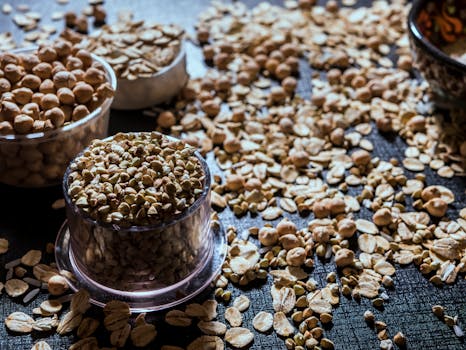 Photo: Mike / Pexels