
Beginner's guide to 月が綺麗ですね meaning: A Culinary Lens
Discover the nuanced, often food-related, interpretations of this classic Japanese phrase and enrich your cultural understanding.
Unveil the MeaningKey Takeaways
- ✓ 月が綺麗ですね (Tsuki ga Kireiですね) literally means 'The moon is beautiful, isn't it?'
- ✓ It's a subtle way to express romantic feelings without direct confession, attributed to author Soseki Natsume.
- ✓ Beyond romance, its meaning can extend to appreciation of shared moments, often around food.
- ✓ The 'food niche' interpretation emphasizes shared meals under the moon as a metaphor for unspoken connection.
How It Works
First, grasp that 'Tsuki ga Kireiですね' directly translates to 'The moon is beautiful, isn't it?'. This forms the foundational layer of its meaning.
Next, delve into its most famous interpretation: a subtle declaration of love. This historical context is crucial for understanding its depth.
Then, consider how Japanese communication often favors indirectness. This phrase exemplifies expressing profound feelings without explicit words, often in shared experiences.
Finally, connect it to shared food experiences. The beauty of the moon, much like a perfectly prepared meal, can symbolize comfort, connection, and unspoken affection.
Unpacking the Literal and Figurative: A Beginner's guide to 月が綺麗ですね meaning
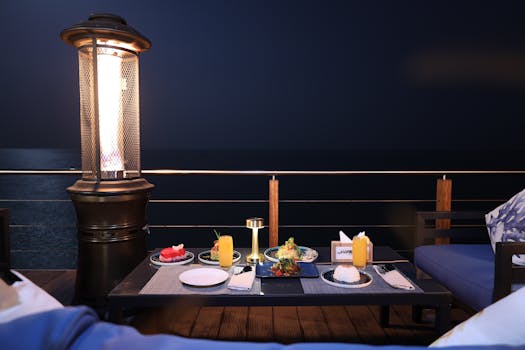 Photo: Shameel mukkath / Pexels
The Cultural Tapestry: Indirect Communication and Food
Our partners at mintj.org offer related services.
Culinary Contexts: Food as a Vessel for Unspoken Emotion
Applying the Meaning: Tips for the Curious Foodie
Comparison
| Aspect | Literal Meaning | Romantic Subtext | Culinary Context |
|---|---|---|---|
| Direct Translation | The moon is beautiful, isn't it? | I love you. | This shared moment (and meal) is beautiful. |
| Primary Emotion | Observation | Affection/Love | Contentment/Gratitude/Connection |
| Communication Style | Direct | Indirect | Indirect/Holistic |
| Ideal Setting | Anywhere with moon | Shared intimate moment | Shared meal under moonlight/serene setting |
What Readers Say
"This guide completely transformed my understanding of 'Tsuki ga Kireiですね'. I always thought it was just a romantic phrase, but seeing it through a culinary lens made so much sense, especially with how Japanese food connects to nature and seasonality. It's truly eye-opening."
Sarah Chen · Seattle, WA"As a chef interested in global food cultures, the insights on indirect communication and shared dining moments were invaluable. It helped me appreciate the subtle artistry in Japanese hospitality even more. I now look at shared meals under the moonlight with a new perspective."
David Miller · Austin, TX"I used to struggle with the nuances of Japanese communication, but this article explained 'Tsuki ga Kireiですね' perfectly. I even tried incorporating more mindful eating during a recent outdoor dinner party, and it genuinely made the experience feel more profound and connected with my guests."
Emily Rodriguez · Miami, FL"While I was already familiar with the romantic meaning, the emphasis on food as a vehicle for unspoken emotion was a unique and well-articulated perspective. It reminded me of my grandmother's cooking and how she conveyed love without words, often with a simple, shared glance at the night sky."
Kenji Tanaka · Los Angeles, CA"This guide isn't just about a phrase; it's about a philosophy of appreciation. It's made me more conscious of how much emotion and connection can be conveyed through the simple act of sharing a beautiful meal in a beautiful setting. Truly a premium read for any food lover."
Olivia White · Boston, MAFrequently Asked Questions
What is the most common interpretation of 月が綺麗ですね?
The most common and famous interpretation of 月が綺麗ですね (Tsuki ga Kireiですね) is a subtle, indirect way to say 'I love you' in Japanese, attributed to the author Natsume Soseki. It implies a shared appreciation for beauty that transcends words and signifies deep affection.
Is it rude to use 'I love you' directly in Japanese culture?
While not inherently rude, direct declarations like 'I love you' (愛してる - Aishiteru) can sometimes be perceived as overly blunt, dramatic, or even immature in Japanese culture, which values indirect communication and subtlety in expressing deep emotions. Phrases like 'Tsuki ga Kireiですね' or actions often convey affection more appropriately.
How can I incorporate this understanding into my appreciation of Japanese food?
You can incorporate this understanding by practicing mindful dining, appreciating the seasonality and aesthetic presentation of Japanese dishes, and recognizing that shared meals are often vessels for unspoken connection and gratitude. Look for the 'beauty' in the entire experience – the food, the company, and the setting – much like one would appreciate the moon.
Does 'Tsuki ga Kireiですね' always imply romance?
No, while its most famous interpretation is romantic, 'Tsuki ga Kireiですね' can also express a broader sense of contentment, appreciation for a beautiful moment, gratitude for companionship, or a general feeling of well-being, especially when shared in a peaceful setting or over a meal. The context is key to its exact meaning.
How does this phrase compare to other forms of indirect communication in Japan?
This phrase is a prime example of 'haragei' or 'ishin-denshin,' which are forms of indirect communication relying on shared understanding and unspoken cues. It stands in contrast to direct, explicit statements, and is part of a broader cultural pattern that values harmony and avoids overt declarations, allowing feelings to be understood through context and shared experience.
Who should learn about the Beginner's guide to 月が綺麗ですね meaning?
Anyone interested in Japanese culture, language learners, food enthusiasts, travelers to Japan, or individuals seeking to deepen their understanding of nuanced communication will benefit from this guide. It offers a unique window into the subtleties that enrich human interactions, especially around shared meals.
Are there any specific Japanese dishes that relate to the moon?
Yes, several Japanese dishes relate to the moon, particularly during the Tsukimi (moon-viewing) festival. Examples include Tsukimi dango (dumplings resembling the moon), Tsukimi soba/udon (noodles topped with a raw egg yolk to symbolize the full moon), and other seasonal dishes that are traditionally enjoyed while moon-gazing.
What is the future trend for understanding such cultural phrases?
The future trend leans towards a more holistic and interdisciplinary understanding of cultural phrases, moving beyond mere linguistic translation. There's a growing recognition of how language, food, and social context intertwine to create deeper meanings, fostering greater cultural empathy and appreciation in an increasingly interconnected world.
Embark on a richer culinary journey by understanding the 'Beginner's guide to 月が綺麗ですね meaning'. Let this profound phrase inspire you to savor not just the flavors, but also the unspoken connections found in every shared meal under the moon.